
Baked Salmon Recipe (Juicy, Flaky & Perfect Every Time)
Baked salmon is one of the easiest and most reliable ways to cook perfectly tender, flavorful fish at home. With the right temperature and timing, you get a juicy, flaky texture every time I still remember that rainy evening when my family gathered around the table, laughter filling the air and the aroma of salmon filling the kitchen – without complicated steps. Whether you’re using fresh or frozen fillets, this baked salmon recipe will show you exactly how to get consistent, delicious results, along with simple tips to avoid overcooking and maximize flavor.
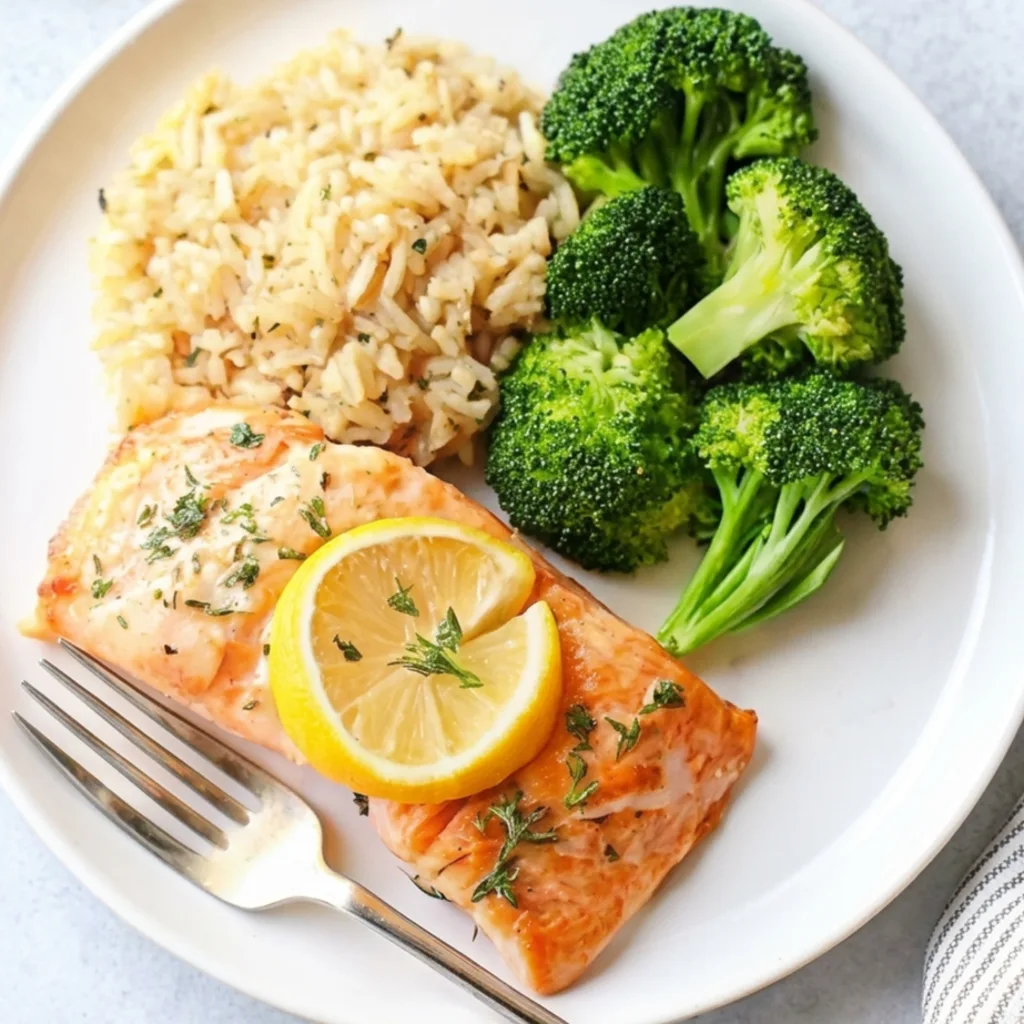
How to Bake Salmon (Quick Answer)
To put it simply, a Baked Salmon Recipe involves seasoning salmon, placing it in a preheated oven at 400°F, and baking until flaky. It sounds too good to be true, right? But it works every time. Keep it simple, watch the timing, and don’t overcomplicate things. For more cooking methods, check out this complete guide on how to cook salmon.
How Long to Bake Salmon in the Oven
Timing depends on thickness. Usually, 15–20 minutes does the trick. Thinner fillets may cook in 12–14 minutes, while thicker cuts can push closer to 20.
Now, here’s the thing—don’t rely only on time. Look for flakes that separate easily and a slightly glossy center. Overcooking happens fast. One extra minute can change everything. For a faster option, try this air fryer salmon recipe.
I used to think longer meant better. Not true. At the end of the day, watch the fish—not the clock.
Timing
- Preparation time: 10 minutes
- Cooking time: 15–20 minutes
- Total time: Around 30 minutes
That’s roughly 25% faster than most elaborate dinner recipes. Not bad, right?
Baked Salmon Temperature Guide
Temperature matters more than you think. Bake at 375°F for gentler cooking or 400°F for a slightly crisp finish. Internal temperature should hit 145°F. I used to think guessing was enough—but now I rely on a thermometer.
Cooking temperature varies by method — learn more in this guide on how to cook salmon perfectly.
Baked salmon at 400
At 400°F, salmon cooks quickly while developing a slight crust. That’s where things get interesting—the outside firms up, the inside stays tender. Long story short, it’s the sweet spot for most home cooks.
If you prefer stovetop cooking, use a pan seared salmon approach, while grilling offers deeper flavor with this grilled salmon technique.
Why you’ll love this recipe
- Quick yet impressive – Dinner on the table fast.
- Healthy without trying too hard – Packed with nutrients, this dish doesn’t scream diet food.
- Beginner-friendly approach – No fancy tricks. No confusing techniques.
- Flexible and forgiving – Switch spices. Add citrus.
One of the best gentle cooking methods for retaining juiciness is the Poached Salmon Recipe.
Ingredients You’ll Need
Let’s keep it real—great food starts with solid ingredients.
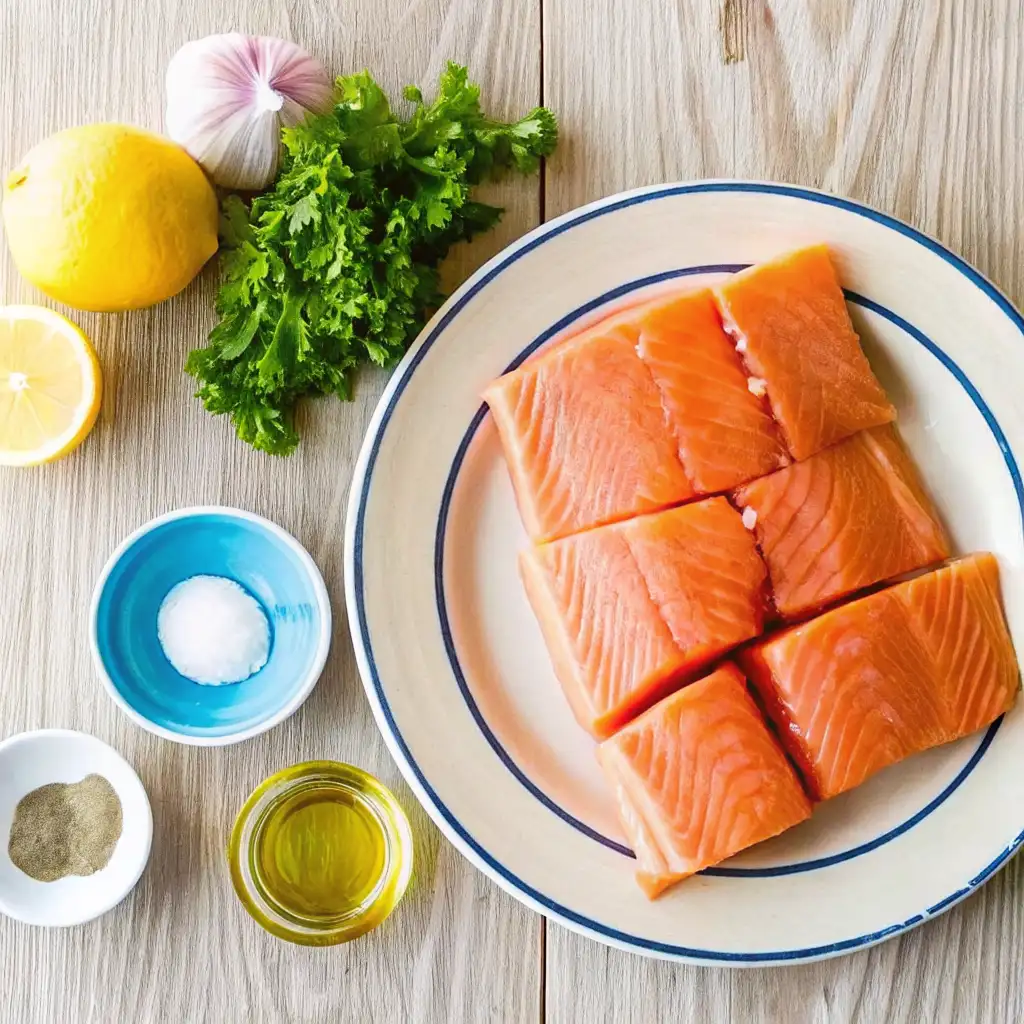
Main Ingredients
- Fresh salmon fillets — rich, buttery texture; skin-on helps retain moisture
- Olive oil — adds depth and prevents sticking
- Garlic cloves (minced) — bold aroma, subtle bite
- Lemon slices — bright, zesty contrast
- Salt & black pepper — the backbone of flavor
Flavor Boosters (Optional but worth it)
- Fresh dill or parsley — herbal freshness that lifts the dish
- Honey or maple syrup — slight sweetness balances the richness
- Dijon mustard — adds a sharp, tangy layer
Substitutions
- No fresh garlic? Use garlic powder—it works in a pinch
- Out of lemon? Try lime—slightly sharper, but still effective
- No olive oil? Melted butter brings a richer finish
Recipe Options
- Spicy version: add chili flakes or paprika
- Asian-inspired twist: soy sauce + ginger + sesame oil
- Mediterranean style: olives, tomatoes, oregano
For extra flavor, try this salmon marinade recipe before baking.
What is Baked Salmon Recipe
A Baked Salmon Recipe is, at its core, simplicity meeting precision. You take fresh salmon, season it thoughtfully, and let the oven do the heavy lifting. But here’s the thing—it’s not just cooking fish. It’s about timing, balance, and that moment when the flakes separate perfectly under your fork.
How to Make Baked Salmon (Step-by-Step)
Follow these simple steps to get perfectly baked salmon Recipe every time.
1. Preheat and Prepare
Start simple. Preheat your oven to 400°F (200°C). Line a baking tray with parchment paper—less mess, less stress.
Now, here’s something I learned the hard way—cold salmon straight from the fridge cooks unevenly. Let it sit out for about 10 minutes before baking. It makes a difference. Small step. Big impact.
2. Mix the Marinade
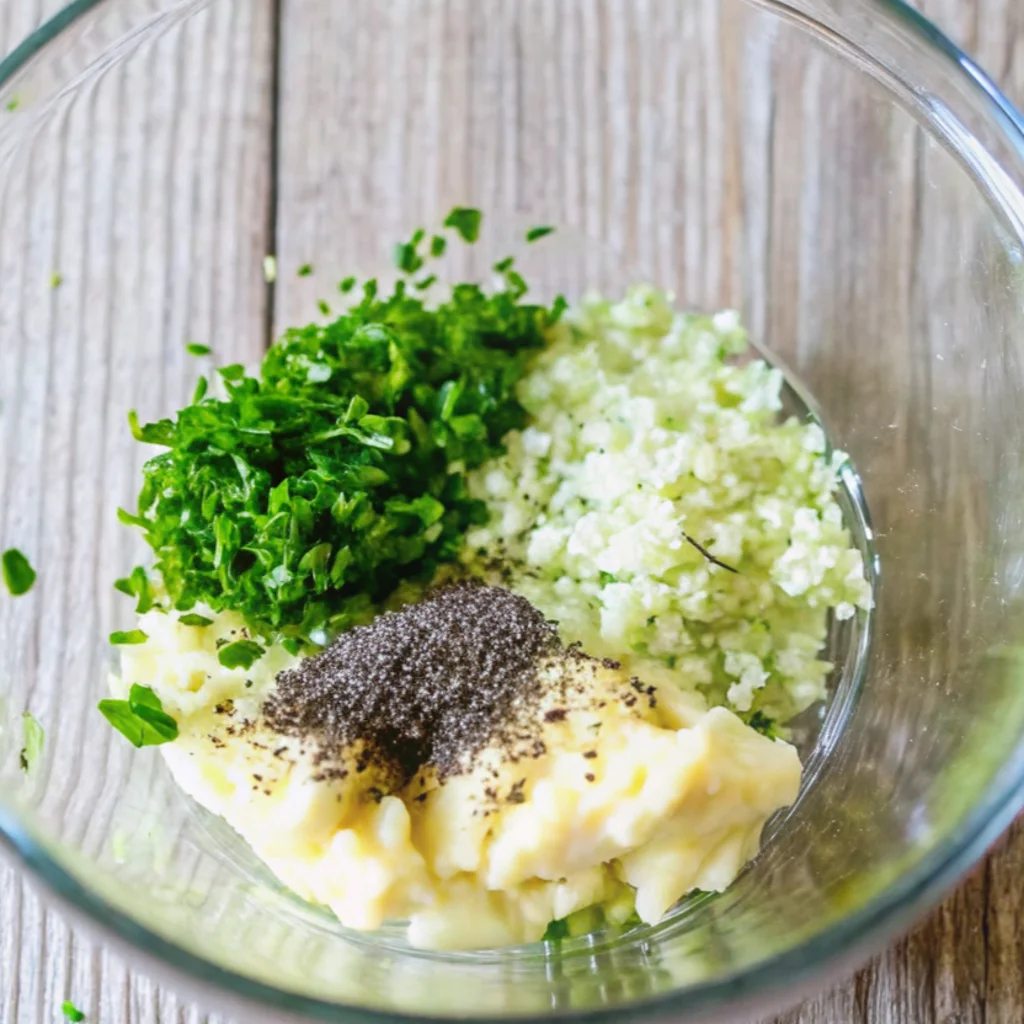
In a medium bowl, whisk together the olive oil, garlic, lemon juice, salt, and pepper until the ingredients are well combined to form a smooth, glossy salmon marinade.
Use this easy salmon marinade recipe for better flavor.
3. Season the Salmon
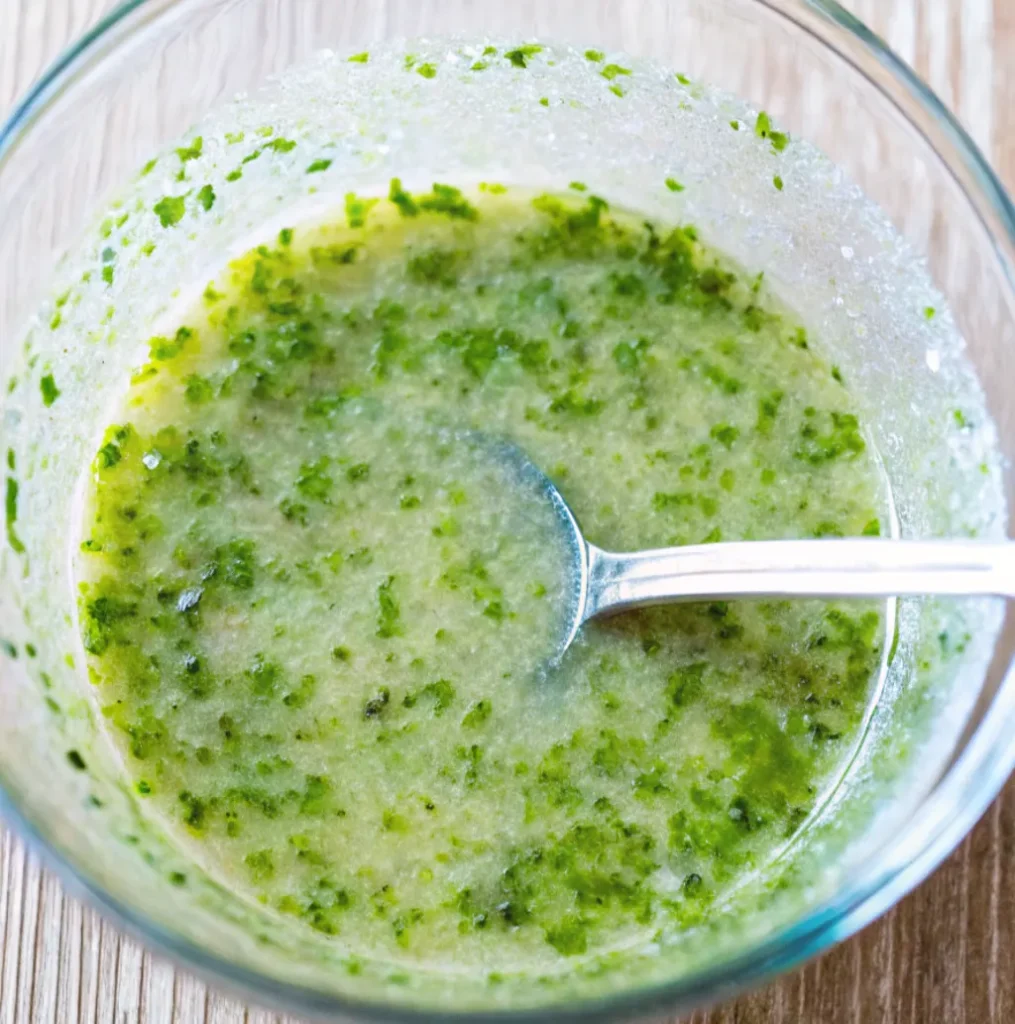
Place the fish fillets skin-side down. Drizzle generously with the mixture of olive oil, salt, pepper, and garlic.
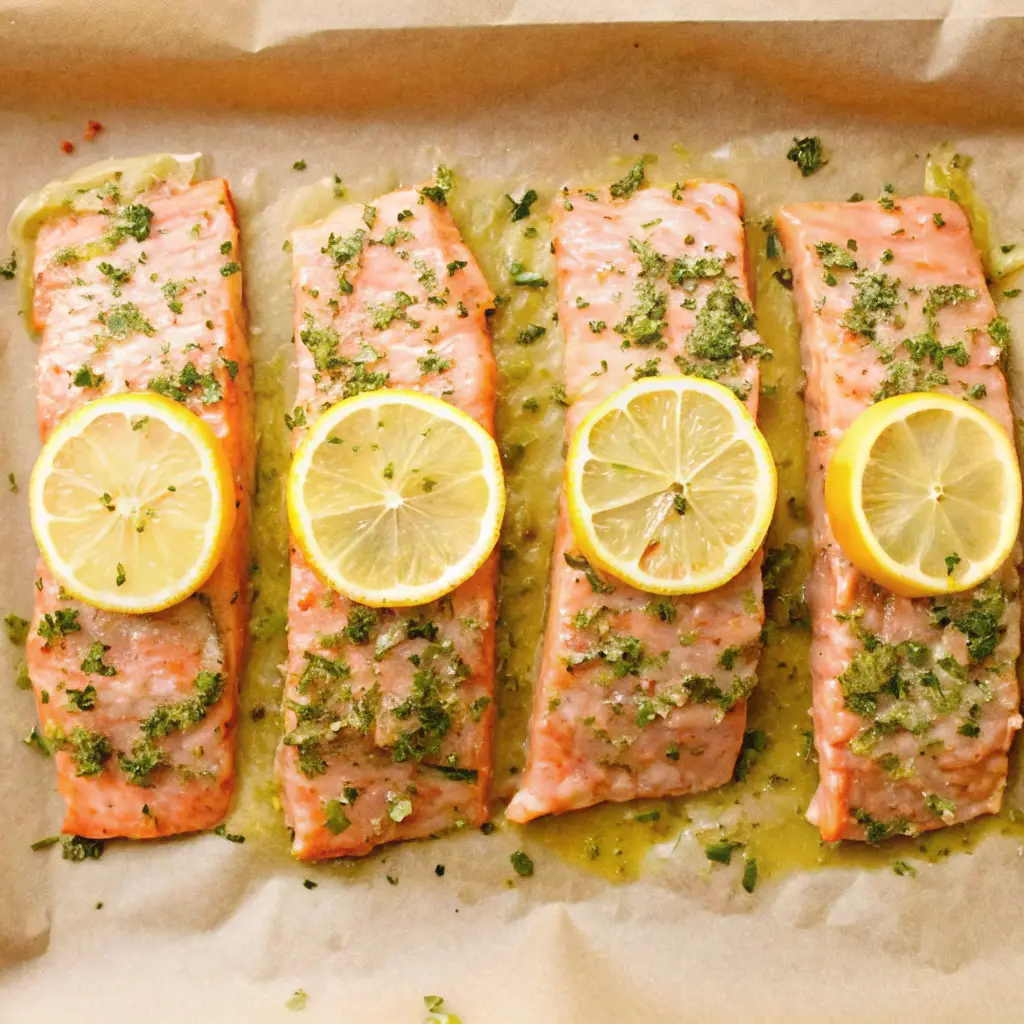
To be honest with you, this is where most people hold back. Don’t. Seasoning should feel confident, not timid. Rub everything gently into the surface—this helps the flavors cling instead of sliding off during cooking.
4. Add Flavor Layers
Top with lemon slices and herbs. Press them gently so they stick.
And here was the surprise—adding a tiny drizzle of honey or a brush of Dijon mustard creates a subtle glaze. It won’t overpower the fish, but it adds depth you didn’t expect. Trust me on this one.
5. Bake to Perfection
Slide the tray into the oven. Bake for 15–20 minutes depending on thickness.
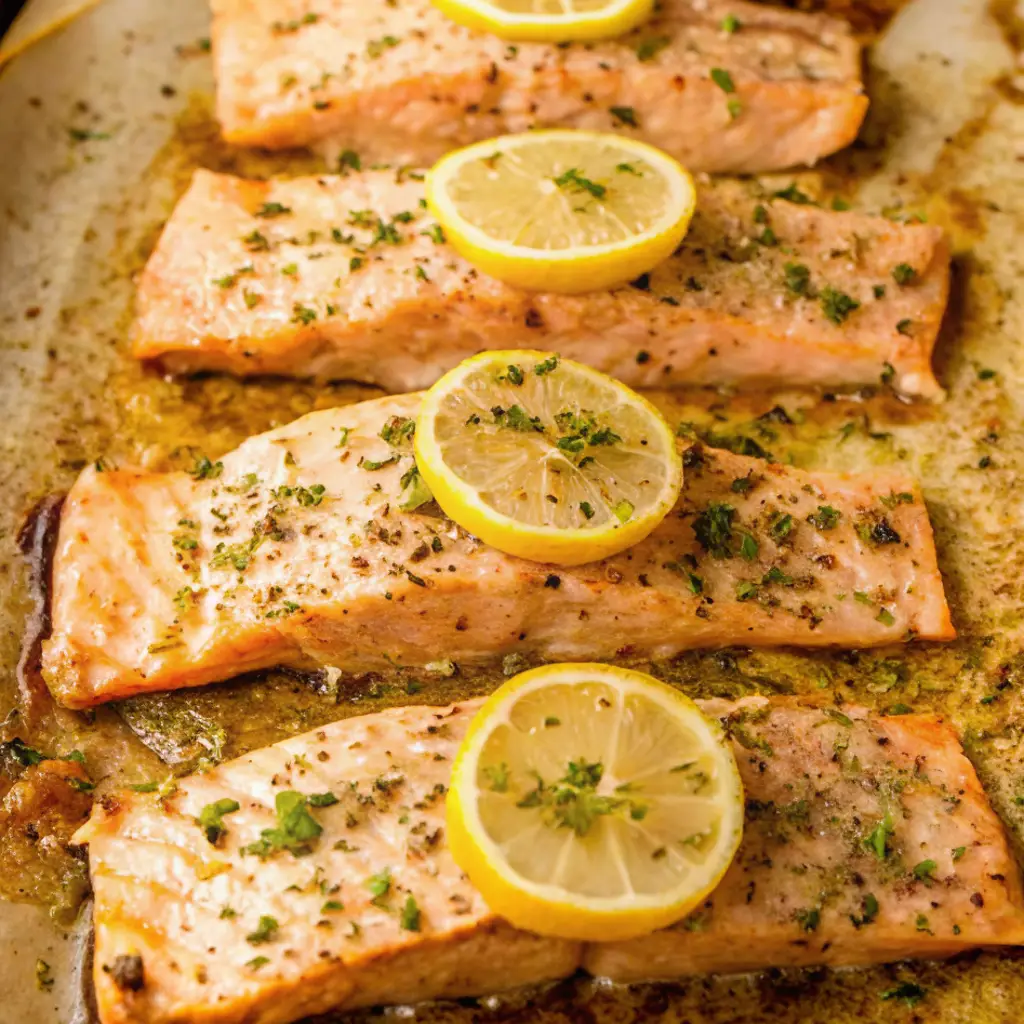
Now, you might be wondering how to tell if it’s done. Look for flakes that separate easily with a fork. The center should still look slightly glossy—not raw, just tender. Overbaking? That’s the fast track to dry salmon.
6. Rest and Serve
Remove from oven. Let it sit for 2–3 minutes. Make no mistake about it—this pause locks in juices and finishes the cooking gently. Add a final squeeze of lemon before serving. Bright, fresh, perfect.
You can also cook salmon faster using this air fryer salmon recipe.
Tips for Perfect Baked Salmon Recipe
- Use room-temperature salmon for even cooking – Cold fillets tighten up in the oven let them rest outside for 10–15 minutes first. Trust me, it helps the texture stay consistent from edge to center.
- Avoid overbaking—dry salmon is a tragedy – Keep a close eye in the last few minutes. You’re aiming for tender and flaky, not chalky. The crazy part is—it cooks even after you pull it out.
- Always pat salmon dry before seasoning – Moisture blocks flavor. A quick pat with paper towels lets seasoning stick better and gives a cleaner finish. For deeper flavor, try this smoked salmon brine recipe before cooking.
- Use a thermometer: 145°F internal temp is ideal – I’ll be the first to admit I used to guess. Not anymore. This removes all doubt.
- Don’t drown it in sauce—let the fish shine – A light touch wins. Too much sauce hides that natural richness.
Grilling gives you intense flavor in just minutes—find out how in our Broiled Salmon Recipe.
Make-Ahead, Storage & Reheating Tips
I’ve struggled with leftovers before. Fish can be tricky. But this one? Surprisingly forgiving.
Can You Make It Ahead
Yes, and it works beautifully. Season the salmon a few hours in advance and keep it refrigerated. To be honest with you, the flavors deepen slightly—like they settle into each other.
How to Store
Let it cool completely. Then store in an airtight container in the fridge for up to 3 days.
Off the record—it tastes even better the next day in a salad.
Way to Reheat
Avoid the microwave if possible. It dries things out fast. Instead, reheat in the oven at 300°F for about 10 minutes. Add a splash of water or lemon juice to keep it moist.
Bottom line—gentle heat wins.
Best Recipes to Try with Baked Salmon
Let’s Let’s be real for a second—how you serve it changes everything.
- Serve over fluffy rice with roasted vegetables Simple. Balanced. The salmon juices soak into the rice—pure comfort.
- Pair with mashed potatoes for a comforting plate Creamy meets flaky. That contrast? It works every single time.
- Add a crisp salad for a lighter option Fresh greens, lemon dressing—keeps things bright and not too heavy.
- Serve with salmon salad with avocado – salmon tacos with lime cream
Should You Bake Salmon Covered or Uncovered
Good question. Uncovered gives you that lightly crisp top. Covered traps moisture and creates a softer texture. Fair enough—both work. Personally, I prefer uncovered for a better finish.
Can You Bake Frozen Salmon
Yes, you can. And oddly enough, it works well. Add 5–10 extra minutes and season generously. You won’t believe this, but sometimes frozen salmon stays juicier than fresh.
If you prefer a seared finish, check this cast iron cooking method for salmon.
Best Cuts for Baking Salmon
Not all cuts are equal. Center-cut fillets are thick and even—ideal for baking. Tail pieces cook faster but can dry out. The point I’m trying to make is: choose wisely, and your results improve instantly.
Works great with salmon belly recipe and Try it with salmon kama
Nutritional information
- Calories: 250–300 per serving
- Protein: 22–25g
- Healthy fats (Omega-3): High
- Carbohydrates: 0g
- Rich in Vitamin D and B12
At the end of the day, it’s food that fuels you properly.
Baked Salmon Recipe (Juicy, Flaky & Perfect Every Time)
Ingredients
- 4 salmon fillets skin-on preferred
- 2 tablespoons olive oil
- 3 garlic cloves minced
- 1 lemon sliced
- Salt to taste
- Black pepper to taste
- Fresh dill or parsley optional
- 1 teaspoon honey or Dijon mustard optional
Instructions
1. Preheat and Prepare
- Preheat your oven to 400°F (200°C). Line a baking tray with parchment paper—less mess, less stress.cold salmon straight from the fridge cooks unevenly. Let it sit out for about 10 minutes before baking
2. Mix the Marinade
- In a medium bowl, whisk together the olive oil, garlic, lemon juice, salt, and pepper until the ingredients are well combined
3. Season the Salmon
- Place the fish fillets skin-side down. Drizzle generously with the mixture of olive oil, salt, pepper, and garlic.
4. Add Flavor Layers
- Top with lemon slices and herbs. Press them gently so they stick. And here was the surprise—adding a tiny drizzle of honey or a brush of Dijon mustard creates a subtle glaze
5. Bake to Perfection
- Slide the tray into the oven. Bake for 15–20 minutes depending on thickness
6. Rest and Serve
- Remove from oven. Let it sit for 2–3 minutes. Make no mistake about it—this pause locks in juices and finishes the cooking gently.
Notes
Nutritional information
- Calories: 250–300 per serving
- Protein: 22–25g
- Healthy fats (Omega-3): High
- Carbohydrates: 0g
- Rich in Vitamin D and B12
Frequently Asked Questions
How long do you bake salmon at 400°F?
Usually 15–20 minutes. Thicker cuts may need a bit more time, so keep an eye on texture rather than just the clock.
Is it better to bake salmon covered or uncovered?
Uncovered gives a slightly crisp top, while covered keeps it softer and juicier. Fair enough—both have their place depending on your mood.
Do you have to flip salmon when baking it in the oven?
No need. Leave it skin-side down and let the oven do its thing—less fuss, better results.
Is it better to bake salmon at a high or low temperature?
Medium-high heat (around 400°F) strikes the right balance between moisture and texture.
Should I leave the skin on salmon when baking?
Yes—it protects the fish and adds flavor.
How do you keep salmon from drying out in the oven?
Don’t overcook it, add a bit of oil, and let it rest after baking.
More Recipe Suggestions
- Salmon Asian Rub Recipe: 7 Ingredients for Perfect Flavor
- Salmon Bites Recipe – Easy, Crispy, and Delicious Appetizer
- What is salmon poke recipe and How is it Made?
- Steelhead Trout Recipe 7 Easy Steps You Will Not Regret Trying
- How to Make a Smoked Trout Dip: Taste Amazing
- Hibachi Salmon: How to Make It Juicy Every Time
- Cold Smoked Salmon How to Make It Perfectly at Home
- Salmon sashimi: how to make it at home in a few simple and safe steps
- cold smoked steelhead trout: How to Make It at Home Easily
Conclusion
This Baked Salmon Recipe delivers flavor, simplicity, and versatility in one dish. It’s quick, healthy, and endlessly adaptable.
Try this baked salmon recipe today and see how easy it is to get perfect results every time. Don’t forget to leave a comment and share your experience!
Leave a Comment
Your email address will not be published.
There are no reviews yet. Be the first one to write one.