
Dry Brine Brisket: The Simple Method for Juicy, Flavor-Packed BBQ
If you want brisket that’s deeply seasoned, incredibly juicy, and wrapped in a flawless bark, dry brining is the secret most backyard cooks overlook. it’s the difference between average BBQ and competition-level results. Instead of soaking your meat, this simple salt technique transforms brisket from the inside out — boosting flavor, improving texture, and helping create that perfect crust. Believe it or not, I used to think brisket was just about low heat and patience, but now I know the magic often begins a full day before it even touches the smoker. Once you understand how dry brine brisket really works, you may never go back to traditional brining again.
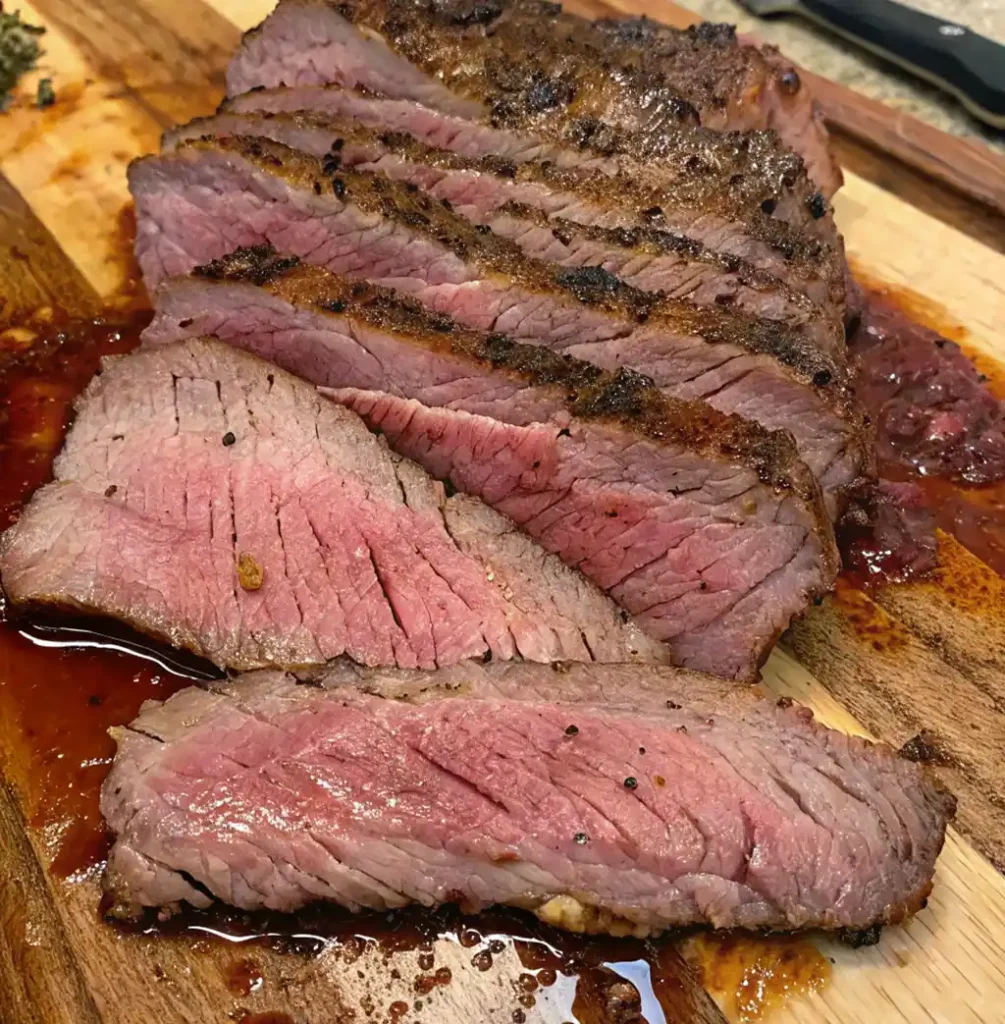
What is Dry Brine Brisket
To put it simply: Dry Brine Brisket is brisket seasoned generously with salt and allowed to rest uncovered in the refrigerator before cooking. That’s it. No soaking. No buckets. The salt draws out moisture, then reabsorbs it, carrying flavor deep into the muscle fibers. The crazy part is how something so simple creates such dramatic improvement in texture and taste.
If you want to add even deeper internal moisture and flavor, you might also consider using a brisket injection recipe for stronger results.
Why You’ll Love This Recipe
- Unmatched Flavor Depth – The salt works its way into every fiber of the meat, amplifying natural beefiness without drowning it in marinades. The result is savory, balanced, and complex.
- Better Bark, Every Time – A properly rested Dry Brine Brisket forms that dark, crackly crust we all crave—crispy outside, succulent inside.
- Juicier Slices – Dry brining helps the meat retain moisture during long cooking. Trust me on this one—no more dry, crumbly brisket.
- Simpler Than You Think – No buckets of liquid. No mess. Just seasoning, patience, and solid technique.
Ingredients You Need for Dry Brine Brisket
Key Ingredients
- Whole beef brisket The star of the show. Look for good marbling—thin white veins of fat running through the meat. That’s flavor insurance.
- Kosher salt Coarse crystals dissolve gradually, penetrating deeply without oversalting. Table salt? Fair enough—but use less.
- Freshly cracked black pepper Adds a sharp, earthy bite that balances the richness.
- Garlic powder Subtle savoriness without overpowering the beef.
- Optional: Smoked paprika or chili powder For a whisper of warmth and color.
Recipe Options
- Add brown sugar for a hint of sweetness.
- Mix in ground mustard for tang.
- Use herb blends like thyme or rosemary—side note: rosemary can dominate, so go light.
I’ll let you in on a secret—keep it simple the first time. Make no mistake about it, brisket doesn’t need a spice cabinet explosion.
Timing
- Preparation time: 20 minutes
- Dry brining time: 12–24 hours
- Cooking time: 8–12 hours (depending on size and method)
- Total time: Around 24 hours
How to Dry Brine a Brisket (Step-by-Step Guide)
Step 1: Trim with Purpose
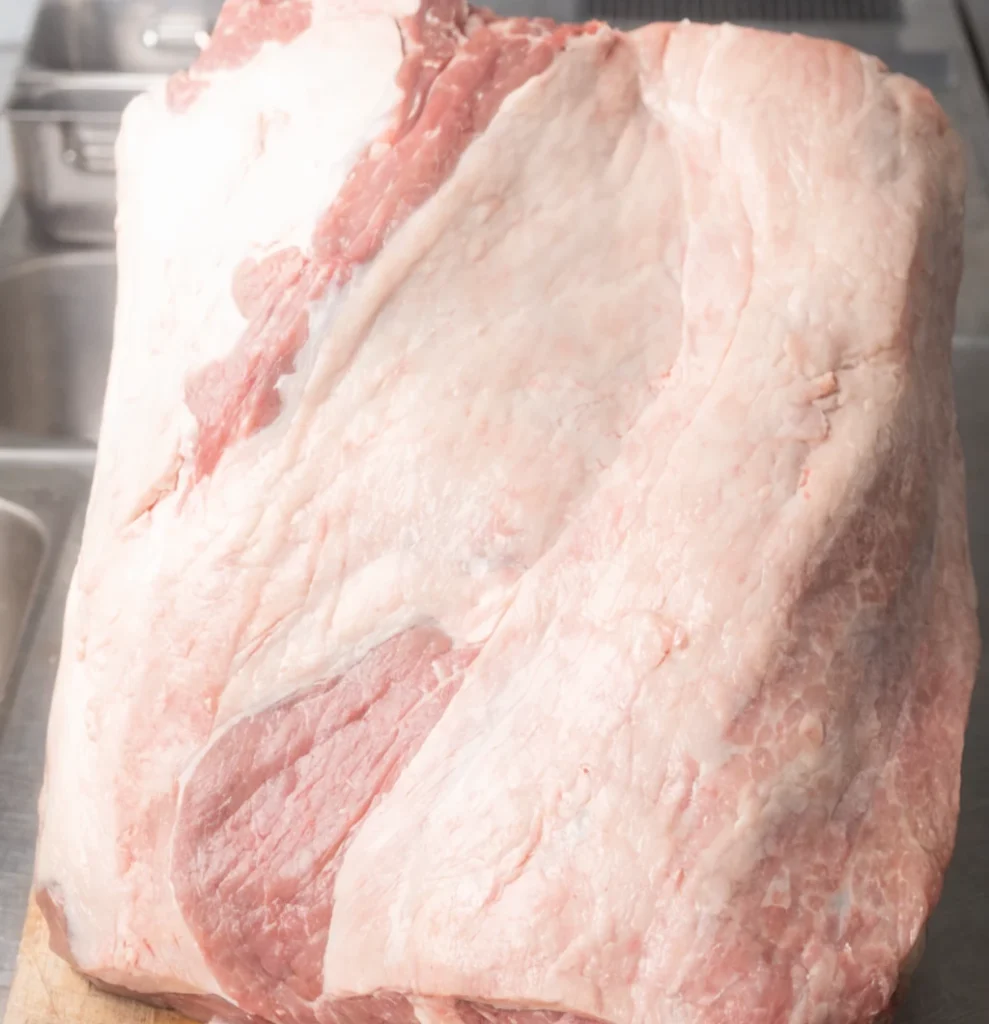
Start cold. Cold fat trims cleaner. Place your brisket on a large cutting board and remove excess surface fat, leaving about ¼ inch intact. Too much fat prevents seasoning penetration, but too little risks dryness.
Professional tip: Don’t carve away all the fat—fat equals flavor.
Step 2: Season Generously
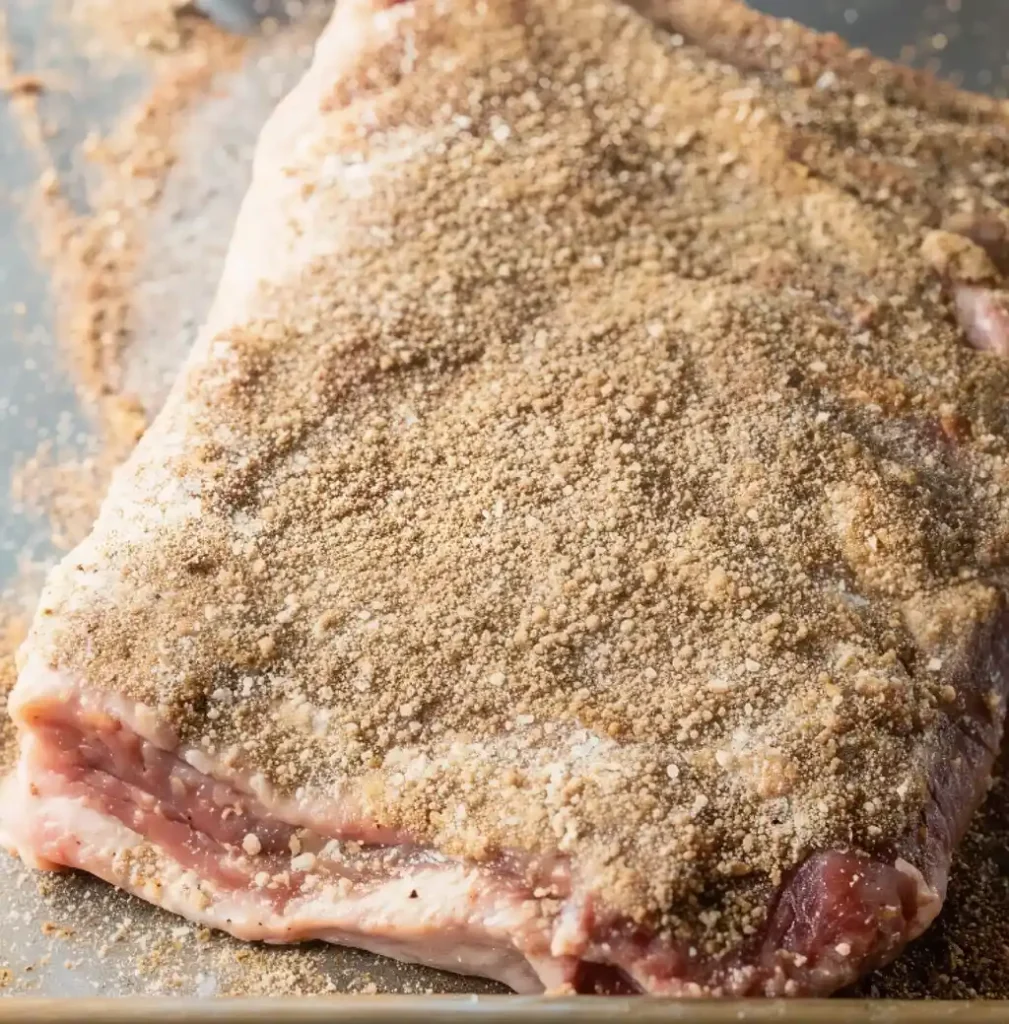
Be bold. Salt confidently. Sprinkle kosher salt evenly across every surface of the brisket. Follow with pepper and any optional spices. This is where Dry Brine Brisket begins its transformation.
And here was the surprise—the meat doesn’t need to be drowning in seasoning. Even coverage is what matters.
Step 3: Rest Uncovered
Now, you might be wondering—why uncovered? Place the brisket on a wire rack over a baking sheet and refrigerate for 12–24 hours. Air circulation helps dry the surface, creating that prized bark later. Trust me on this one: don’t wrap it. Airflow is everything.
Step 4: Bring to Room Temperature
Remove the brisket from the fridge about 45–60 minutes before cooking. This promotes even heat distribution and smoother cooking. Oddly enough, this small step prevents uneven doneness.
Step 5: Smoke or Roast Low and Slow
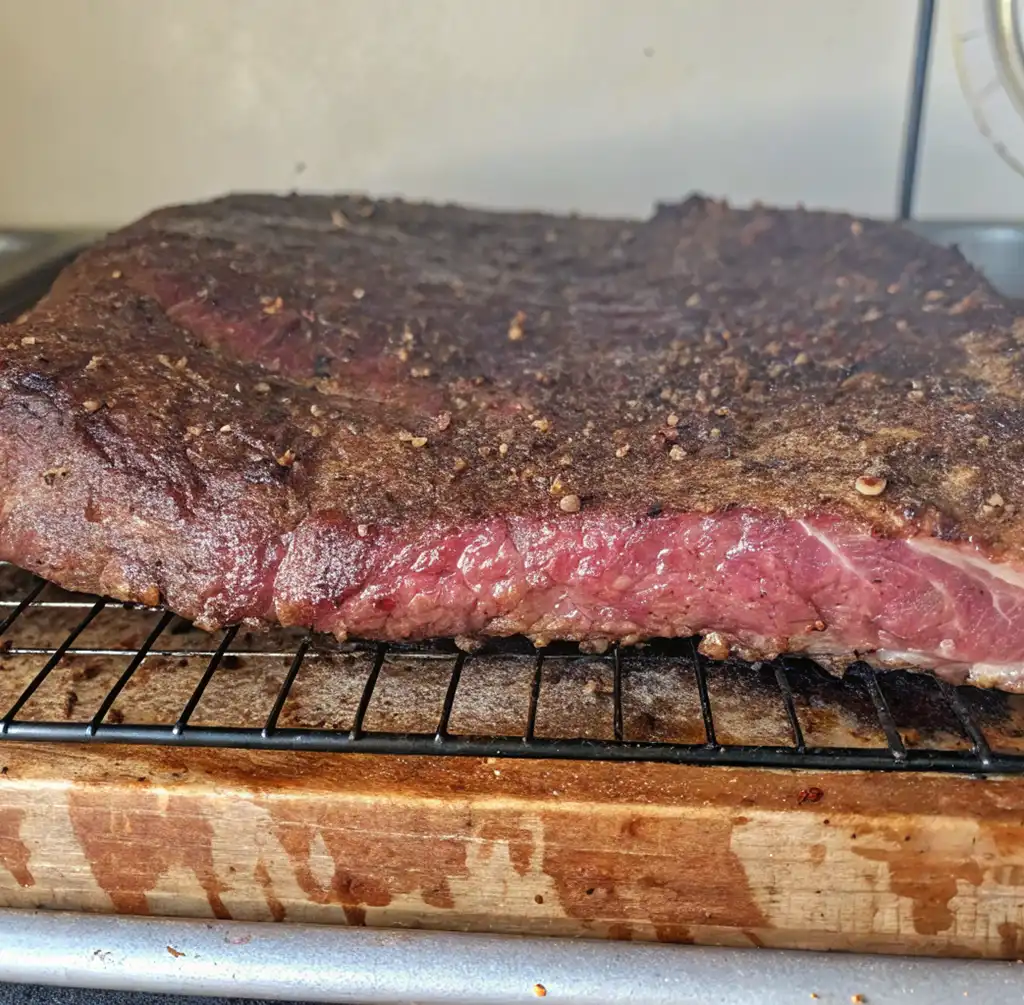
Low heat wins. Always. Cook at 225–250°F until internal temperature reaches about 195–203°F. This can take 8–12 hours depending on size.
I’ve struggled with this for years—pulling brisket too early. Make no mistake about it: tenderness is more important than exact temperature.
Step 6: Rest Before Slicing
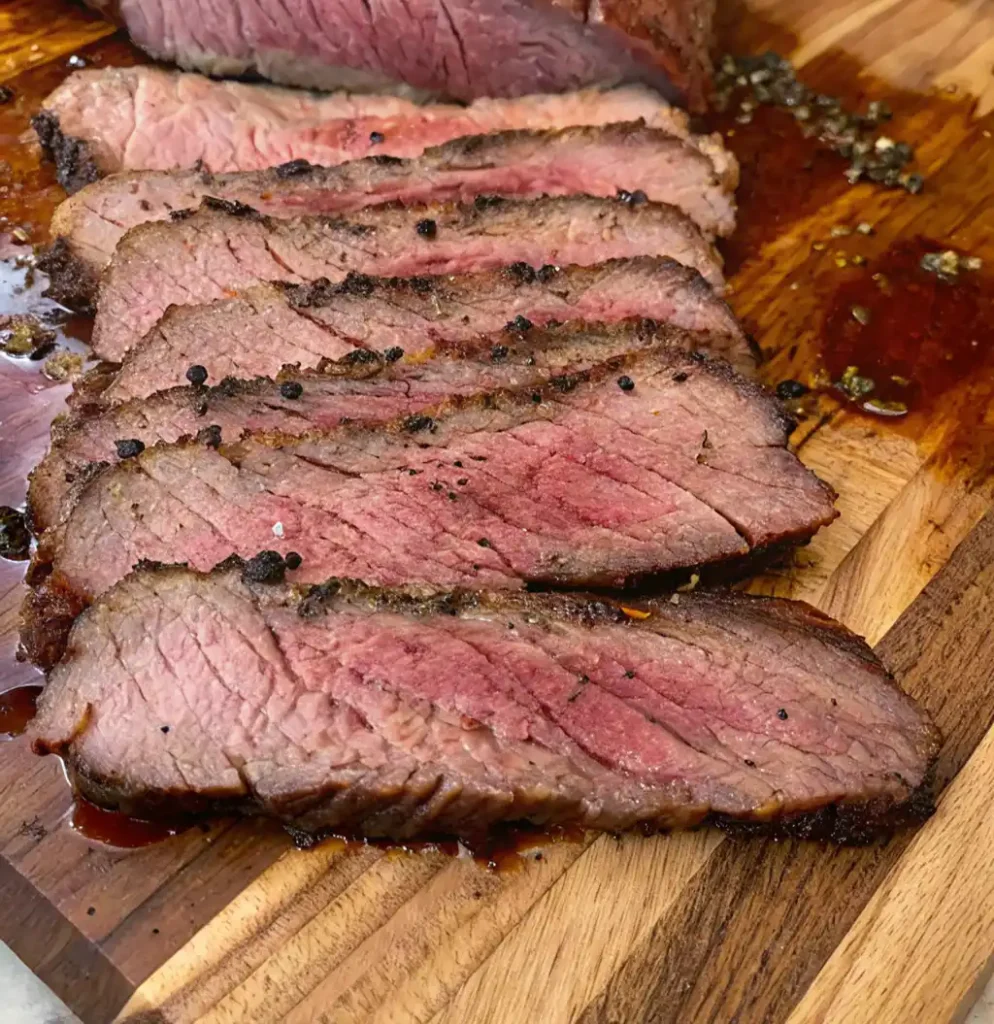
Don’t rush it. Wrap loosely in butcher paper and rest at least one hour. This allows juices to redistribute. The point I’m trying to make is simple: slicing too soon ruins all your hard work. Proper resting makes slicing easier — and if you’re unsure about cutting against the grain, here’s how to serve perfectly sliced beef brisket.
Professional Cooking Tips
- Use a reliable meat thermometer—precision beats guesswork every single time. Dry Brine Brisket rewards accuracy, not optimism.
- Control airflow in your smoker. Too much oxygen spikes heat; too little suffocates the fire. Stable temperature means predictable texture. Temperature control is critical during long cooks — especially when deciding whether to smoke brisket at 180 or 225.
- Slice strategically. Separate the flat from the point before carving, then cut against the grain for each section.
- Don’t oversalt. Remember, Dry Brine Brisket intensifies flavor over time—measure carefully and adjust based on weight, not instinct.
Make-Ahead, Storage & Reheating Tips
I’ll be the first to admit—brisket tastes even better the next day. The flavors settle. The texture deepens. It’s almost unfair.
Can You Make It Ahead
Absolutely. Cook your Dry Brine Brisket fully, let it cool slightly, then wrap tightly and refrigerate overnight. To my absolute surprise, the second-day slices were even juicier than the first.
How to Store
- Wrap tightly in butcher paper or foil.
- Place in airtight container.
- Refrigerate up to 4 days.
- Freeze up to 3 months.
Side note: slice before freezing for easier reheating.
Way to Reheat
Low and gentle. That’s the rule. When reheating leftovers, follow the best method to reheat beef brisket without drying it out
Reheat in a 275°F oven, covered with a splash of beef broth, until warmed through. It sounds too good to be true, right? But it works beautifully—no dryness, no toughness.
How to Serve Dry Brine Brisket
Let’s be real for a second—brisket deserves company.
- Serve with creamy mashed potatoes and roasted carrots.
- Layer into toasted brioche buns with pickles.
- Chop leftovers into tacos with fresh salsa.
- Pair with smoky baked beans and tangy coleslaw.
Hands down, it’s the best centerpiece for backyard gatherings. On top of all that, it adapts to any mood—casual or celebratory.
Why Dry Brine Is Better for Smoked Brisket
Dry brining enhances bark formation and intensifies beef flavor without diluting it in liquid. Wet brines add moisture, yes, but they can mute the meat’s natural character. In short, Dry Brine Brisket respects the beef instead of masking it.
If you’re cooking on a pellet grill, make sure to follow this complete guide on how to smoke a brisket on a pellet grill for consistent results.
How Long to Dry Brine Brisket
Twelve hours works. Twenty-four is better.
Salt needs time to penetrate deeply into thick muscle fibers. I used to think that a quick overnight rest was enough—but now I aim for a full day whenever possible. Bottom line: longer dry brining equals richer flavor and improved texture.
Dry Brine vs Wet Brine for Brisket
Wet brine involves soaking meat in saltwater. Dry brine uses only salt and air. The crazy part is that dry brining often results in stronger flavor and superior bark. Wet brine can slightly increase moisture, but it sometimes softens the exterior. That’s where things get interesting—texture matters.
Can You Inject After Dry Brining
Yes, you can inject broth or butter after dry brining. However, to be honest with you, it’s rarely necessary. Dry Brine Brisket already retains moisture beautifully. Injecting can add richness—but use restraint.
Nutritional Information
(Per 4 oz Serving Approx.)
- Calories: 280–320 kcal
- Protein: 24–28g
- Fat: 20–24g
- Saturated Fat: 8–10g
- Sodium: Varies based on salt usage
- Iron: 15% of daily recommended intake
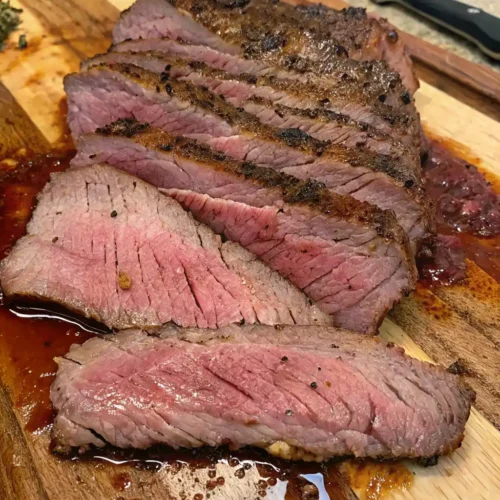
Dry Brine Brisket: The Simple Method for Juicy, Flavor-Packed BBQ
Ingredients
- Whole beef brisket
- Kosher salt
- Freshly cracked black pepper
- Garlic powder
- Smoked paprika
- chili powder
Instructions
Step 1: Trim with Purpose
- Place your brisket on a large cutting board and remove excess surface fat, leaving about ¼ inch intact. Too much fat prevents seasoning penetration, but too little risks dryness.
Step 2: Season Generously
- Be bold. Salt confidently. Sprinkle kosher salt evenly across every surface of the brisket. Follow with pepper and any optional spices.
Step 3: Rest Uncovered
- Place the brisket on a wire rack over a baking sheet and refrigerate for 12–24 hours. Air circulation helps dry the surface, creating that prized bark later.
Step 4: Bring to Room Temperature
- Remove the brisket from the fridge about 45–60 minutes before cooking. This promotes even heat distribution and smoother cooking.
Step 5: Smoke or Roast Low and Slow
- Low heat wins. Always. Cook at 225–250°F until internal temperature reaches about 195–203°F. This can take 8–12 hours depending on size.
Step 6: Rest Before Slicing
- Wrap loosely in butcher paper and rest at least one hour. This allows juices to redistribute. slicing too soon ruins all your hard work.
Notes
Nutritional Information
(Per 4 oz Serving Approx.)- Calories: 280–320 kcal
- Protein: 24–28g
- Fat: 20–24g
- Saturated Fat: 8–10g
- Sodium: Varies based on salt usage
- Iron: 15% of daily recommended intake
Similar recipes you’ll want to try
- smoked corned beef brisket: 5 Secrets to the Best Flavor
- Chopped Brisket: The Best and Easy Sandwich Recipe
- How and When to Wrap a Brisket A Simple Guide for Beginners
- Brine vs Inject Brisket: Which Method Is Best for Juicy BBQ?
- Award Winning Brisket Injection Recipe for BBQ simple ingredients, powerful results
- How to Make Apple Juice Brisket Injection for Ultra Juicy Smoked Brisket
FAQs
Should I marinate beef brisket overnight?
You can, but with Dry Brine Brisket, salt alone does the heavy lifting. Marinades add flavor, yet they don’t penetrate as effectively as salt over time.
Should beef brisket be wrapped in aluminum foil before cooking it in the oven?
Wrapping—often called the “Texas crutch”—helps push through the stall phase and retain moisture. Fair enough if time is tight. But unwrapped cooking builds stronger bark.
Does brisket absolutely have to be cooked slowly?
Yes. High heat tightens muscle fibers, creating toughness. Low and slow allows collagen to break down gradually, producing tenderness.
What is the secret to perfectly tender oven-cooked beef brisket?
Patience and temperature control. Cook until probe-tender, not just until a number appears on the thermometer. At the end of the day, texture tells the truth.
Conclusion
Dry brining transforms brisket from ordinary to extraordinary through patience, salt, and technique. It deepens flavor, improves bark, and protects juiciness. Now it’s your turn—try this method, share your results in the comments, and subscribe for more bold, flavor-driven recipes. Trust me, you won’t look back.
Leave a Comment
Your email address will not be published.
There are no reviews yet. Be the first one to write one.