
How to Cook Salmon Perfectly (Best Methods, Temps & Recipes Guide)
Salmon is one of the most versatile and delicious types of fish you can cook at home. Whether you prefer it baked in the oven, seared in a pan, grilled outdoors, or even served raw in dishes like sashimi, salmon offers a rich flavor, tender texture, and incredible nutritional value.
Family dinners shaped me. The smell of sizzling fish, laughter bouncing off the walls, and someone always asking for seconds.
But cooking salmon perfectly can be tricky if you don’t know the right techniques. Overcook it, and it turns dry. Undercook it, and you might not achieve the texture or safety you want.
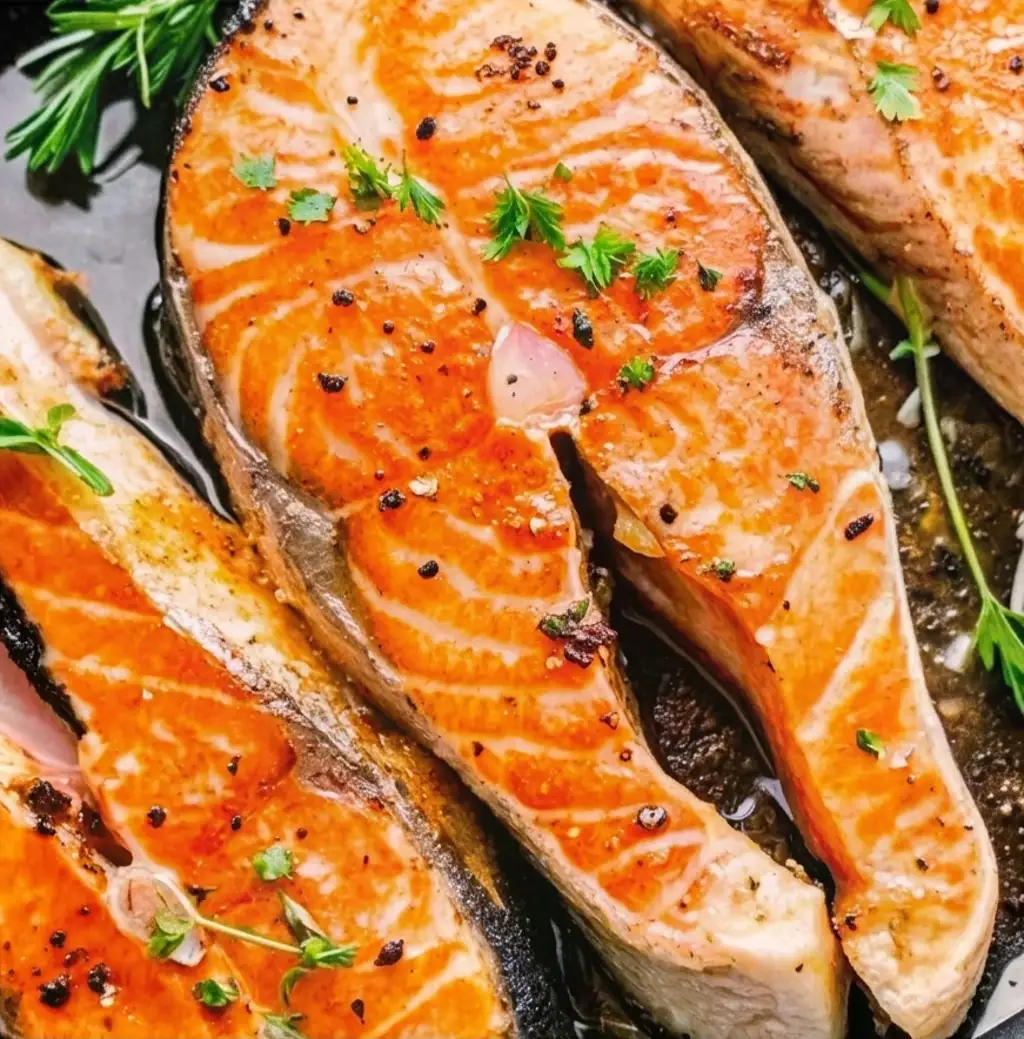
In this complete guide, you’ll learn how to cook salmon using the best methods, including oven-baked, pan-seared, air fryer, grilled, and smoked salmon. You’ll also discover how to choose the right cut, season it properly, and avoid the most common mistakes.
What Is the Best Way to Cook Salmon
The best way to cook salmon depends on your goal:
- Bake at 375°F (190°C) for tender, juicy salmon
- Pan-sear for a crispy crust
- Air fry for a quick and easy option
- Grill or smoke for a rich, smoky flavor
Salmon is perfectly cooked when it reaches 125–145°F and flakes easily with a fork.
If you’re looking for specific cuts, try this salmon belly recipe or learn how to cook salmon kama for a richer flavor.
Types of Salmon Cuts (And How to Cook Each One)
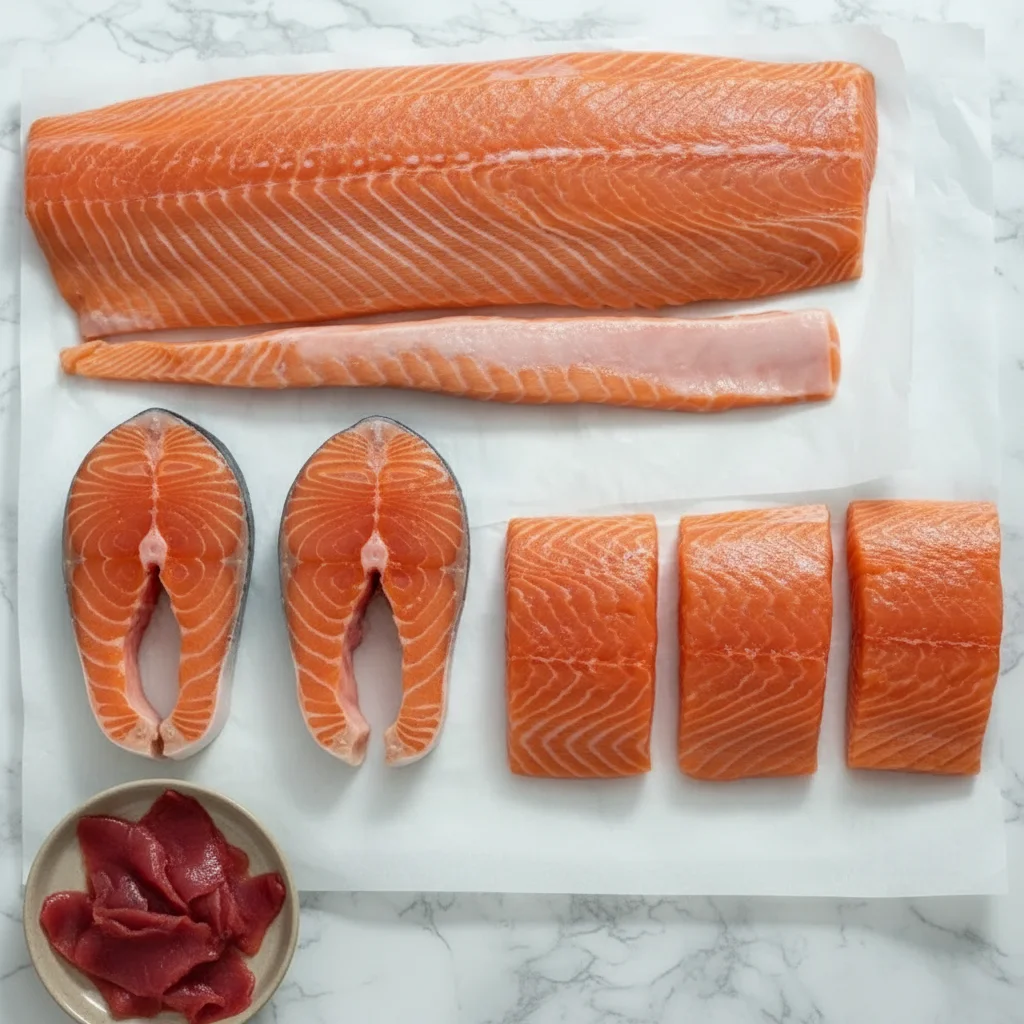
Choosing the right cut changes everything — seriously. When learning How to Cook Salmon, understanding the cut is half the battle.
- Salmon Fillet — clean, versatile, and beginner-friendly. Bake it, pan-sear it, or even air fry it — it rarely disappoints
- Salmon Belly — rich and fatty, almost decadent. Cook it hot and fast for crispy edges and a melt-in-your-mouth center
- Salmon Kama — the collar cut, often overlooked. Grill it slowly and let the natural oils do their magic
I’ll be the first to admit — I ignored anything beyond fillets for years. Big mistake. To my absolute surprise, the belly and kama delivered deeper flavor and better texture. The point I’m trying to make is simple: the cut isn’t just a detail — it’s the whole experience.
How Long to Cook Salmon
Timing matters. When learning How to Cook Salmon, most fillets need 10–15 minutes in the oven or 6–10 minutes on the stove. Truth be told, thickness changes everything—so keep an eye on texture, not just the clock.
| Method | Time | Temperature |
|---|---|---|
| Oven | 12–15 min | 375°F |
| Pan | 8–10 min | Medium-high |
| Air Fryer | 7–10 min | 400°F |
| Grill | 10–12 min | Medium |
How to Season Salmon (Marinades, Rubs & Sauces)
Flavor matters. A lot.
- Basic seasoning: salt, pepper, olive oil — simple wins
- Marinades: garlic, lemon, herbs — fresh and vibrant
- Asian flavors: soy sauce, ginger, sesame — bold and addictive
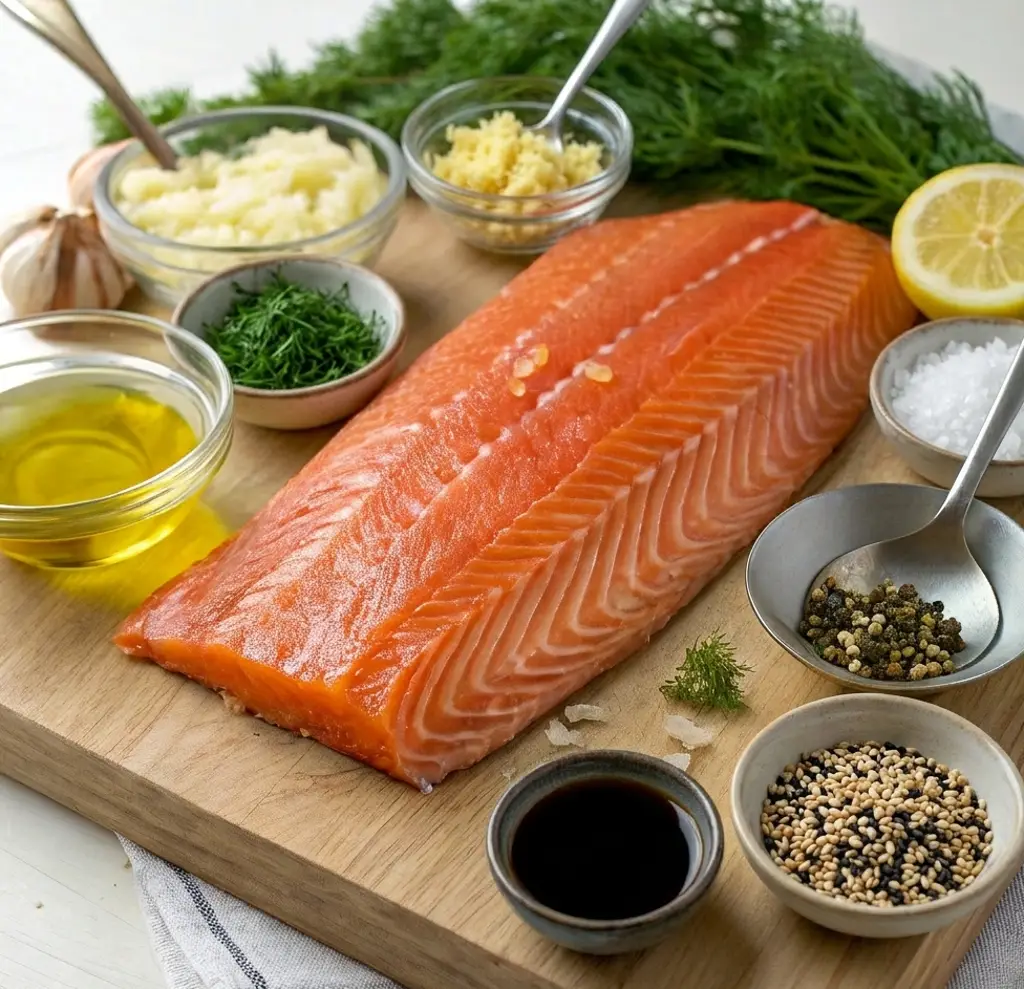
I’ll let you in on a secret — don’t overdo it. Salmon already has character. You’re just supporting it, not rewriting it. Oddly enough, the simplest seasoning often gets the biggest compliments.
For deeper flavor, you can also try this Asian salmon rub recipe that adds a perfect balance of sweet and savory notes.
How to Cook Salmon in the Oven (Baked Salmon)
To be honest with you, this is my go-to on busy nights. No flipping, no stress — just steady heat doing its job. And here was the surprise: adding a squeeze of lemon halfway through lifts the flavor instantly. Bottom line, if you want reliable, juicy fish without overthinking it, oven baking delivers every single time.
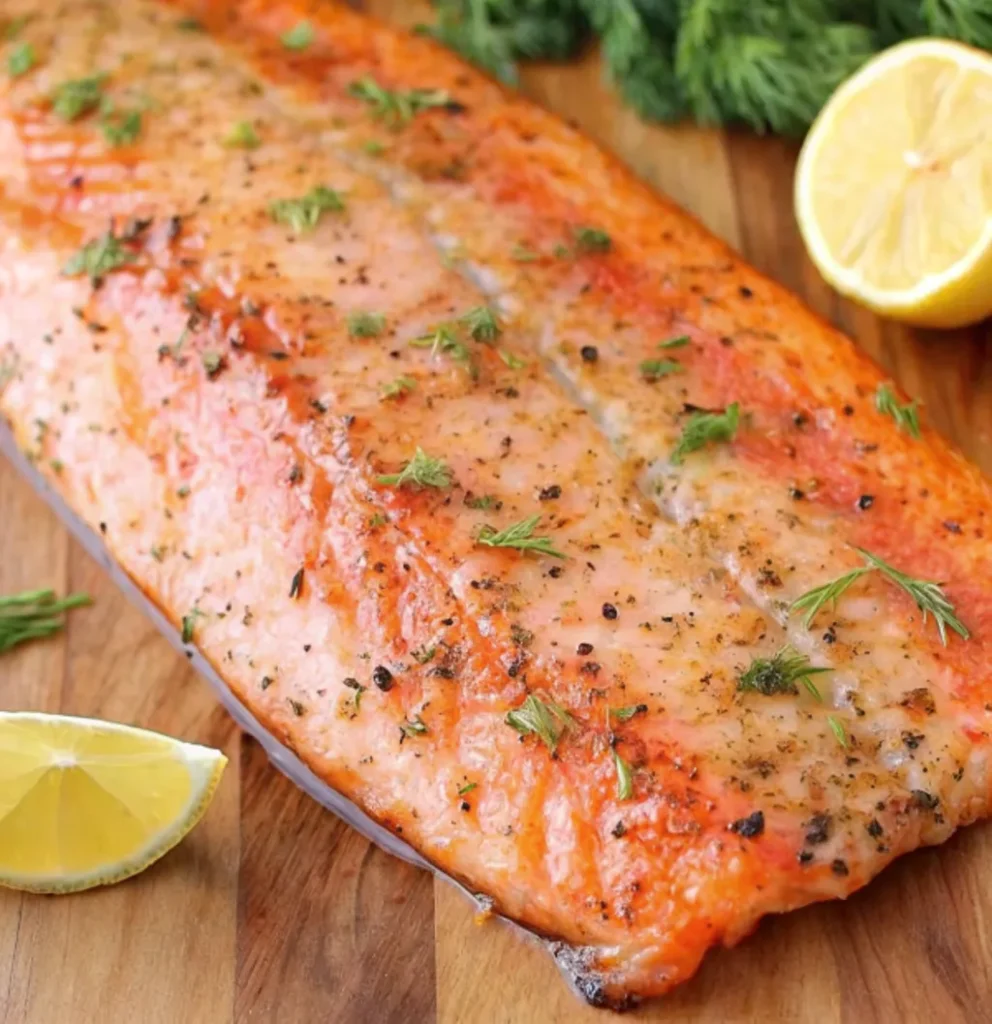
Quick Steps:
- Preheat oven to 200°C (400°F)
- Pat the salmon dry and season generously
- Place it on a lined tray, skin-side down
- Bake until it flakes easily with a fork
Temperature: 200°C
Time: 12–15 minutes
How to Cook Salmon on the Stove (Pan-Seared / Cast Iron)
This is where flavor shines. If you’re serious about learning, pan-searing is a skill worth mastering — it builds texture you just can’t fake.
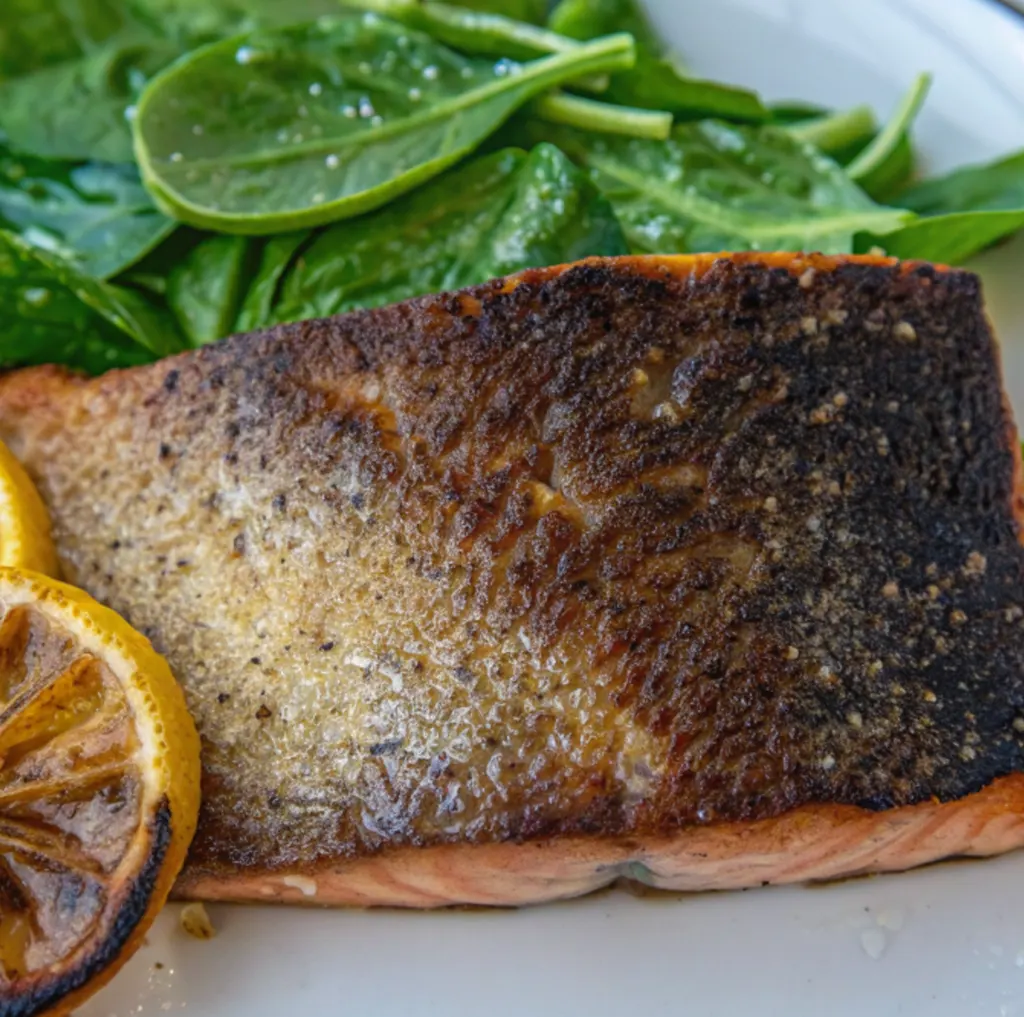
Instructions:
- Heat a heavy pan (cast iron works best) with a bit of oil
- Place salmon skin-side down — press lightly for even contact
- Let it cook undisturbed until the skin turns crispy
- Flip briefly to finish the top
Tips:
- Don’t rush it — patience creates that golden crust
- Medium-high heat is your friend, not high heat
- Dry the salmon before cooking — moisture ruins crispiness
I used to flip it too soon. Every single time. And guess what? It stuck, broke apart, and looked messy. Trust me on this one — leave it alone. The crazy part is, once the skin crisps properly, it releases naturally. That’s your signal.
If you prefer a crispy crust, check out this detailed guide on cast iron salmon for step-by-step instructions.
Bottom line: control the heat, respect the timing, and you’ll get that restaurant-style finish right at home.oom — crispy perfection. Trust me on this one, patience at the start pays off big time.
How to Cook Salmon in an Air Fryer
Fast cooking. Big payoff. If you’re figuring out on hectic days, the air fryer steps in like a lifesaver — no exaggeration.
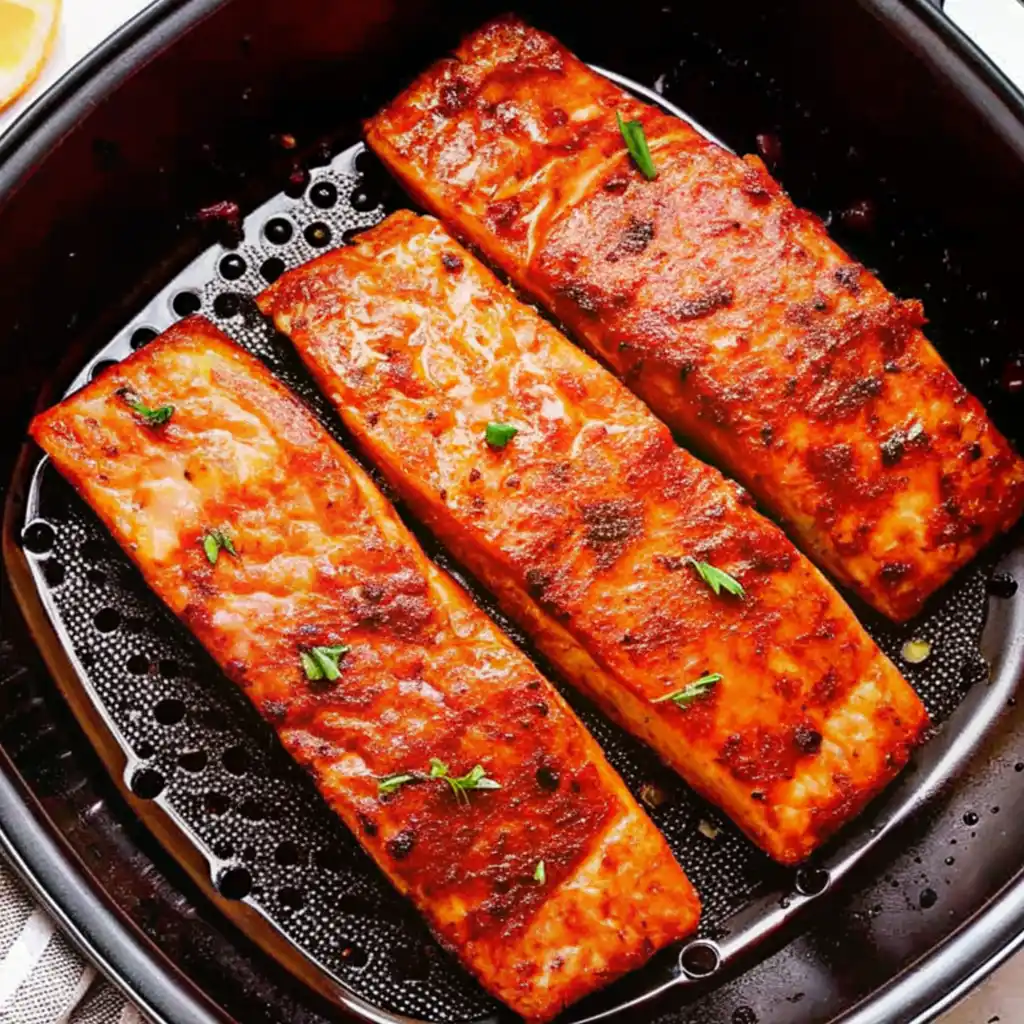
Preheat your air fryer to 180°C (350°F). Lightly oil and season the salmon, then place it skin-side down in the basket. Cook for 8–10 minutes, depending on thickness. That’s it.
I used to think air fryers were just hype. But now? I rely on it more than I expected. The outside gets slightly crisp, the inside stays tender — and cleanup is almost nothing.
Side note — don’t overcrowd the basket. Air needs to circulate properly. The point I’m trying to make is simple: quick doesn’t mean compromising flavor.
How to Grill Salmon
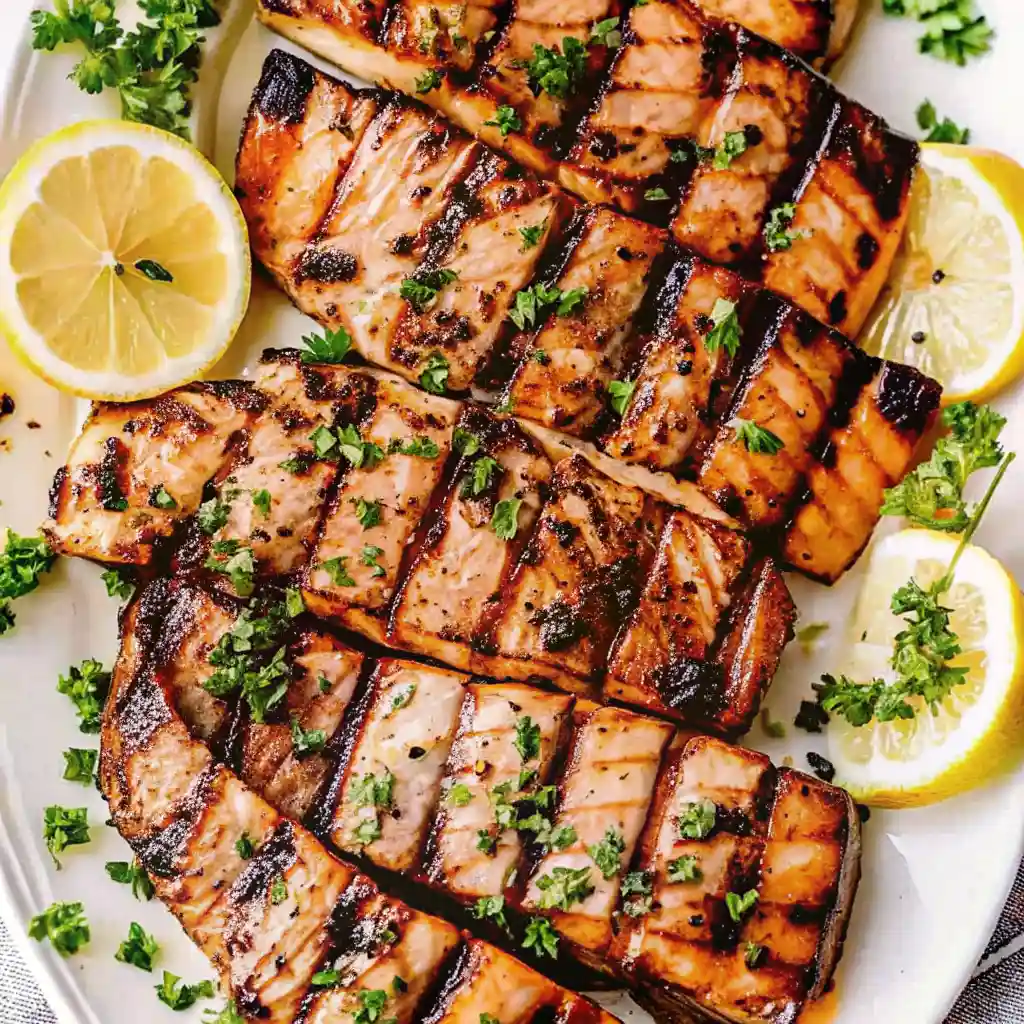
Fire changes everything. When you’re learning How to Cook Salmon, grilling adds a smoky depth that’s hard to beat — bold, slightly charred, unforgettable.
Start by preheating the grill to medium-high heat. Brush the salmon with oil, season it simply, and place it skin-side down. Let it cook undisturbed for 6–8 minutes. Flip only if needed — or just finish it skin-side down for ease.
Truth be told, I used to fear grilling fish. It stuck, fell apart, made a mess. But once I stopped touching it too soon, everything clicked. That’s where things get interesting — the fish releases naturally when it’s ready.
Bottom line: steady heat, minimal flipping, and a little patience turn grilling into something seriously special.
How to Smoke Salmon
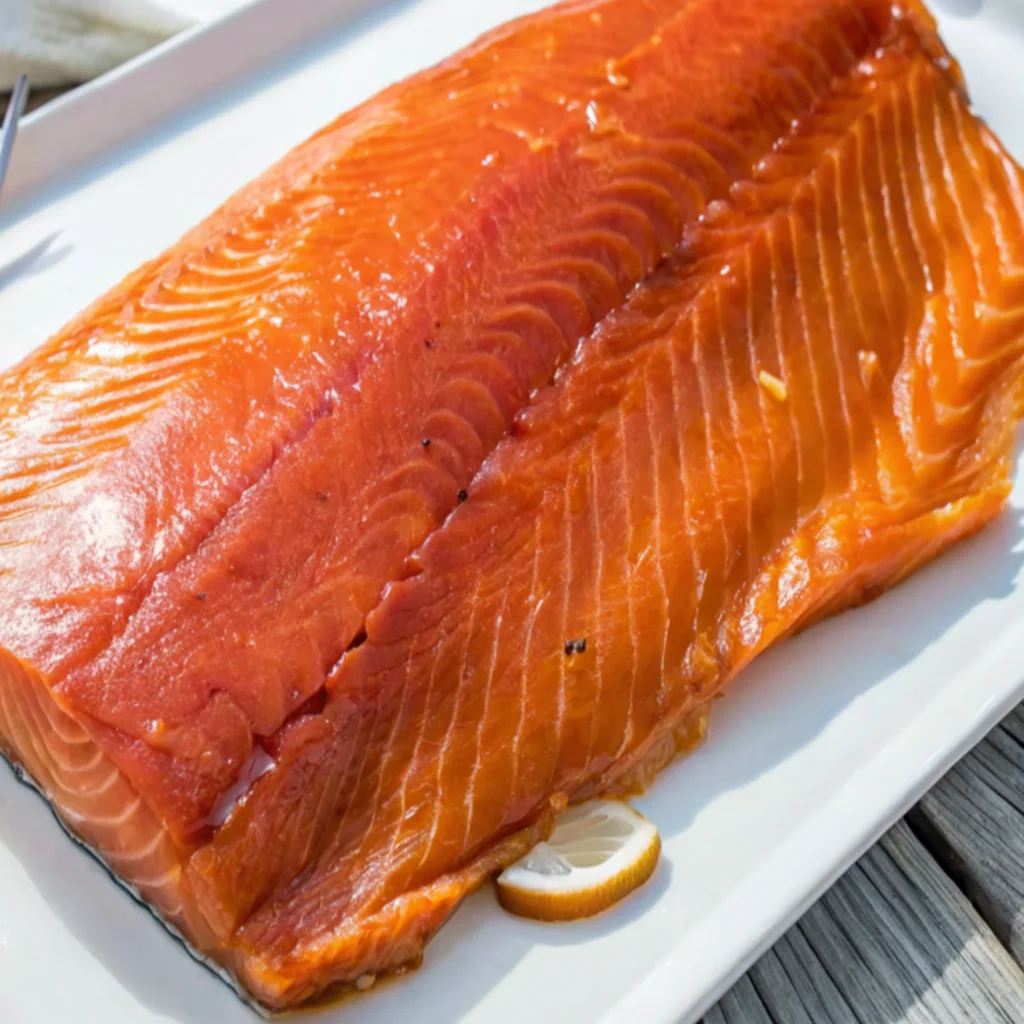
- Hot smoked salmon — fully cooked, flaky
- Cold smoked salmon — silky, delicate, almost raw texture
- Cold smoked steelhead trout — slightly sweeter variation
- Smoked trout dip — rich, spreadable, addictive
To get started, learn how to make cold smoked salmon with a smooth, delicate flavor.
You can also try cold smoked steelhead trout for a slightly different but equally delicious option.
For a creamy appetizer, this smoked trout dip is a great way to use smoked fish
I’ve struggled with this for years. Smoking fish felt intimidating. But once I tried it — wow. The flavor is layered, complex, unforgettable. Bottom line: worth the effort.
Can You Eat Salmon Raw
Yes — but choose wisely. When exploring How to Cook Salmon, raw preparation demands top-quality, sushi-grade fish handled with care. Freshness is everything. I’ll be the first to admit, I hesitated at first. But once I tried it properly, the clean, delicate flavor completely changed my perspective.
Safety matters: Use sushi-grade fish – Keep it cold and fresh
If you enjoy raw preparations, try making salmon sashimi or a fresh salmon poke bowl at home.
Best Salmon Recipes to Try
Ready to experiment? Here’s where it gets fun.
- If you enjoy rich and fatty cuts, try this salmon belly recipe for a crispy and flavorful result.
- Salmon bites recipe — snackable, addictive
- Cast iron salmon — crispy outside, juicy inside
- Salmon poke — fresh, vibrant, no cooking needed
And here was the surprise — salmon bites became my go-to party dish. People devour them. No leftovers. Ever.
Internal Cooking Temperatures for Salmon
Temperature decides everything. When mastering How to Cook Salmon, this is the line between juicy and dry — no middle ground.
- Medium-rare: 50°C (122°F) — soft, slightly translucent center
- Medium: 55°C (131°F) — tender and flaky
- Well-done: 60°C (140°F) — fully cooked, firmer texture
I’ll be honest — I used to overcook it out of fear. Big mistake. Salmon keeps cooking even after you remove it from heat — that’s where people slip up.
To put it simply: pull it early, let it rest, and trust the process. The point I’m trying to make is clear — temperature isn’t a detail, it’s the difference.
Common Mistakes When Cooking Salmon
We’ve all been there.
- Overcooking — the biggest culprit
- Skipping seasoning
- Moving the fish too early
- Using low heat for searing
I’ll be the first to admit — I ruined plenty of fillets before getting it right. But wait, there’s more: even small tweaks can completely transform your results.
Best Salmon Cooking Tips for Perfect Results
Small details matter. When dialing in How to Cook Salmon, these tips quietly make all the difference — and trust me, you feel it on the first bite.
- Always pat the salmon dry before cooking; moisture is the enemy of a good sear.
- Don’t overcook it — salmon keeps cooking even after you take it off the heat. I used to ignore that, and it cost me.
- Use a thermometer if you can; guessing works until it doesn’t.
- And here’s one people skip — let it rest for 2–3 minutes before serving. That short pause locks in juices.
- Bottom line: control the basics, and everything else falls into place naturally.
Frequently Asked Questions
What is the best way to cook your salmon?
It depends on your goal. Oven baking keeps it juicy, while pan-searing gives that irresistible crisp. In short — choose based on texture, not habit.
Is it better to pan fry or oven cook salmon?
Fair enough question. Pan frying builds flavor quickly, while oven cooking offers consistency. I switch depending on time — and mood.
Is salmon fillet good for cholesterol?
Yes, it’s rich in omega-3 fatty acids. The point I’m trying to make is — it supports heart health when eaten regularly.
How to bake salmon for gastritis?
Keep it simple. Use minimal seasoning, avoid acidic ingredients, and bake gently. Plain, soft, and easy to digest — that’s the goal.
Conclusion
Cooking salmon doesn’t need to feel complicated. From oven baking to grilling, each method offers something unique. At the end of the day, mastering How to Cook Salmon is about experimenting, tasting, and enjoying the process.
Start with one of the methods above and explore more recipes like salmon belly, salmon kama, or smoked salmon to expand your skills. Share your results, drop a comment, or subscribe for more real, no-nonsense cooking tips.
Leave a Comment
Your email address will not be published.
There are no reviews yet. Be the first one to write one.