
Beef Ribs Internal Temperature: The Perfect Doneness Guide
Getting the right internal temperature is the key to perfectly cooked beef ribs. I learned the hard way that getting the beef ribs internal temperature right changes everything. Truth be told — one wrong guess can ruin hours of cooking. Whether you’re using the oven, smoker, or slow cooker, knowing when your ribs are truly done can make the difference between tough meat and fall-apart tenderness. In this guide, you’ll learn the exact temperatures for safe, juicy, and perfectly tender beef ribs every time. For a complete step-by-step guide, see our article on How to Cook Beef Ribs.
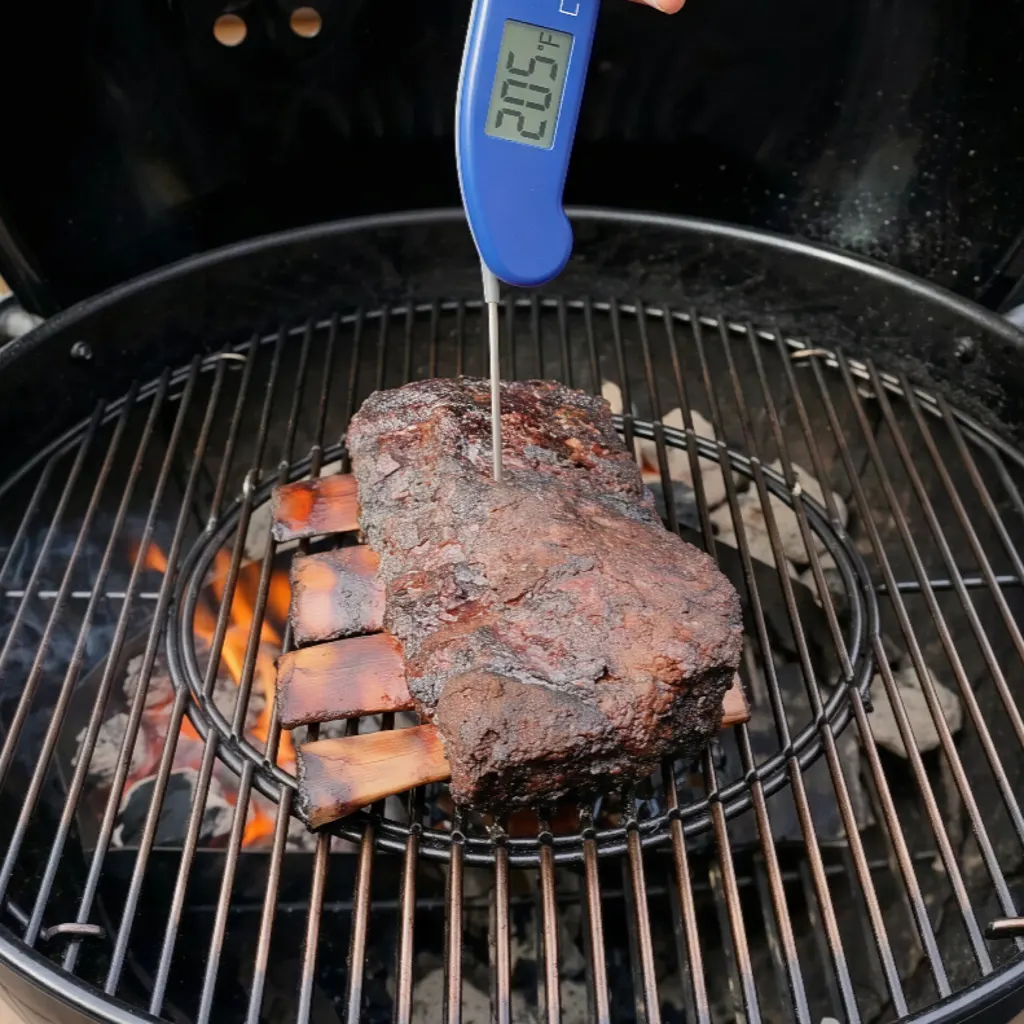
Ideal Beef Ribs Internal Temperature (Quick Answer)
Let’s keep it real Beef ribs aren’t like steak — they demand patience, attention, and a little respect. The ideal beef ribs temperature usually sits between 200°F and 205°F (93°C–96°C), for tender, fall-apart meat. While beef is safe at145°F, ribs need higher temperatures to break down connective tissue and become fully tender.. I’ll be the first to admit — I used to pull them off too early. Big mistake.
Internal Temperature for Different Cuts of Beef Ribs
Not all ribs behave the same.
Short ribs, back ribs, and plate ribs each have their own personality — and I learned that after more trial and error than I’d like to admit.
- Short ribs: Rich and meaty — aim for a best temperature for beef ribs around 200°F
- Back ribs: Leaner — still tender at slightly lower but best near 198–203°F
- Plate ribs: The heavy hitters — need full breakdown at 203–205°F
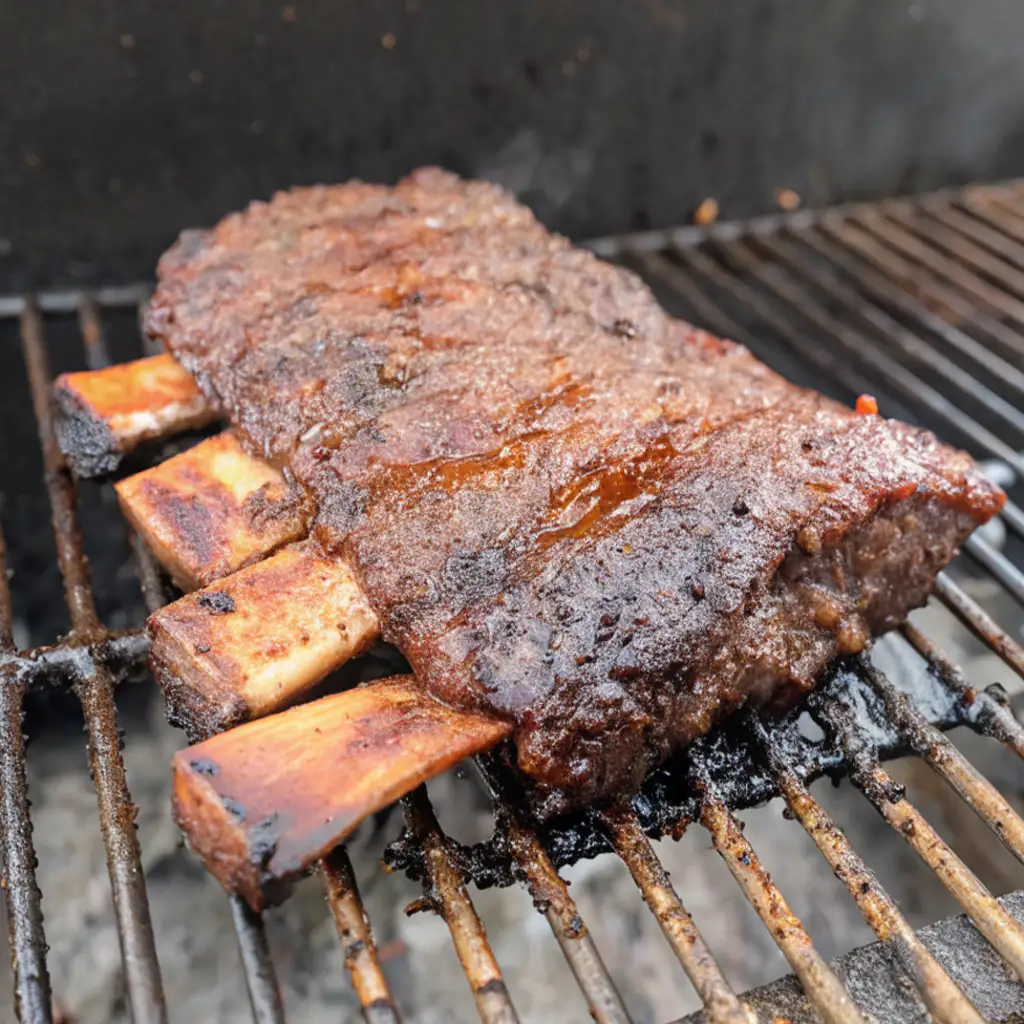
Oddly enough, plate ribs became my favorite — they forgive mistakes better.
Best Internal Temperature by Cooking Method
Different methods. Different vibes.
Whether you’re cooking indoors or out, the target beef ribs doneness temperature remains your north star — but how you get there changes everything.
- Oven: Steady and predictable — great for beginners (You can explore detailed methods like oven cooking in our guide on Beef Ribs in the Oven).
- Smoker: Adds deep flavor — hands down, it’s the best for authenticity
( For authentic BBQ results, explore our smoked beef short ribs method to achieve perfect internal temperature and flavor). - Slow cooker: Convenient, but you’ll miss that crust (For a hands-off method, check out our Slow Cooker Beef Ribs recipe).
- Sous vide: Precise — it sounds too good to be true, right? But it works (For exact temperature precision and consistent results, explore our sous vide beef short ribs guide).
To my absolute surprise, sous vide gave me restaurant-quality ribs once — didn’t expect that at all.
Why Beef Ribs Need Higher Final Temperatures
Here’s the deal Beef ribs are packed with collagen — tough, stubborn stuff that refuses to break down unless pushed to higher heat. That’s why the internal temp for ribs must climb above typical meat ranges. I used to think medium-rare worked for everything… but now I know better.
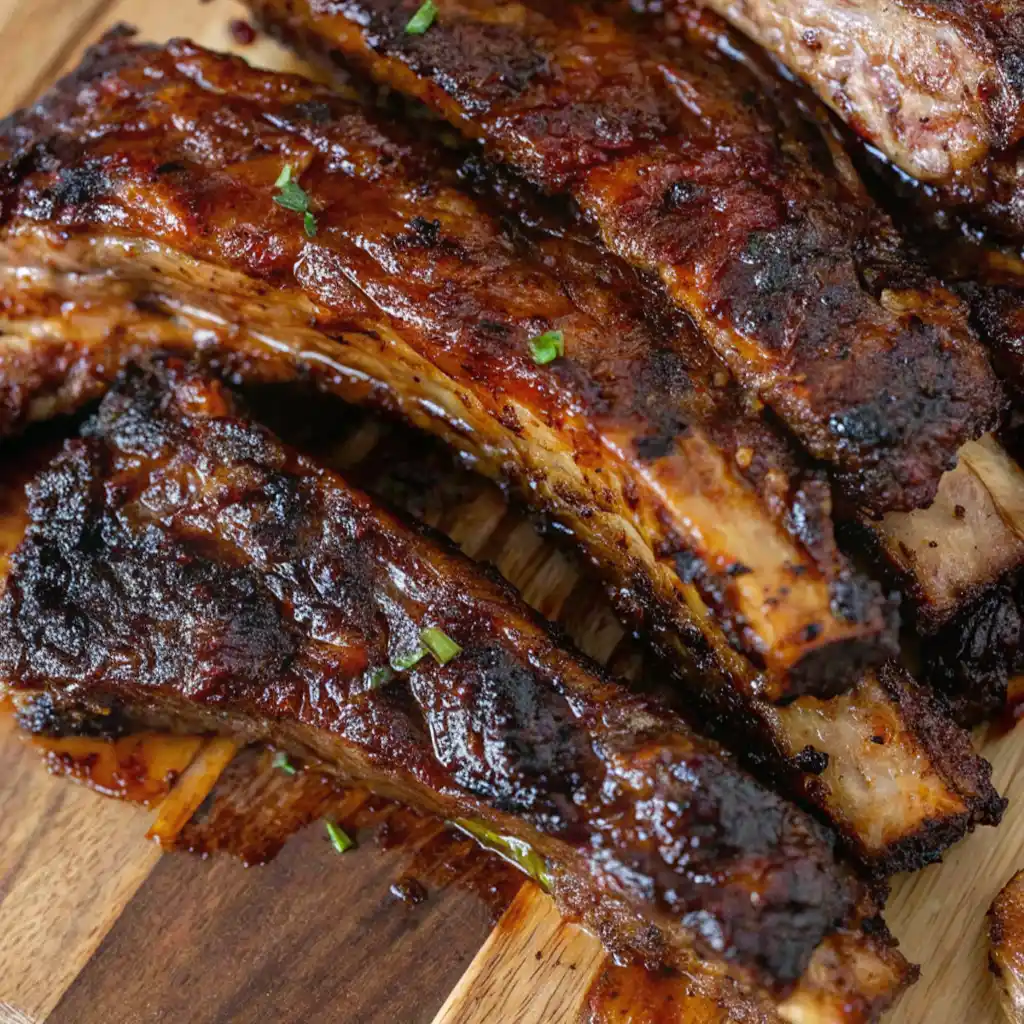
How to Check Beef Ribs Internal Temperature Correctly
Simple, but critical Insert your thermometer into the thickest part of the meat — avoid the bone at all costs. If you hit resistance, reposition. Believe it or not, even a small misplacement can throw off your best temperature for beef ribs reading.
Temperature vs Time: What Matters More
Time lies Temperature tells the truth — every single time. You can cook ribs for hours and still miss the mark if the beef ribs internal temperature isn’t right. Bottom line — cook to temperature, not the clock.
Knowing the right internal temperature is only part of the process. For a complete step-by-step guide covering all cooking methods, cuts, and techniques, check out our full guide on How to Cook Beef Ribs.
Beef Ribs Internal Temperature Chart
| Doneness | Temperature |
|---|
| Medium Rare | 130–135°F |
| Medium | 140–145°F |
| Safe Minimum | 145°F |
| Tender Ribs | 190–203°F |
| Fall-Apart | 200–205°F |
Signs Beef Ribs Are Done Without a Thermometer
No tools? No problem. You won’t believe this, but your senses can guide you too.
- Meat pulls back from the bone
- A probe slides in like butter
- The ribs bend easily without cracking
Still — I’ll let you in on a secret — nothing beats checking the beef ribs internal temperature.
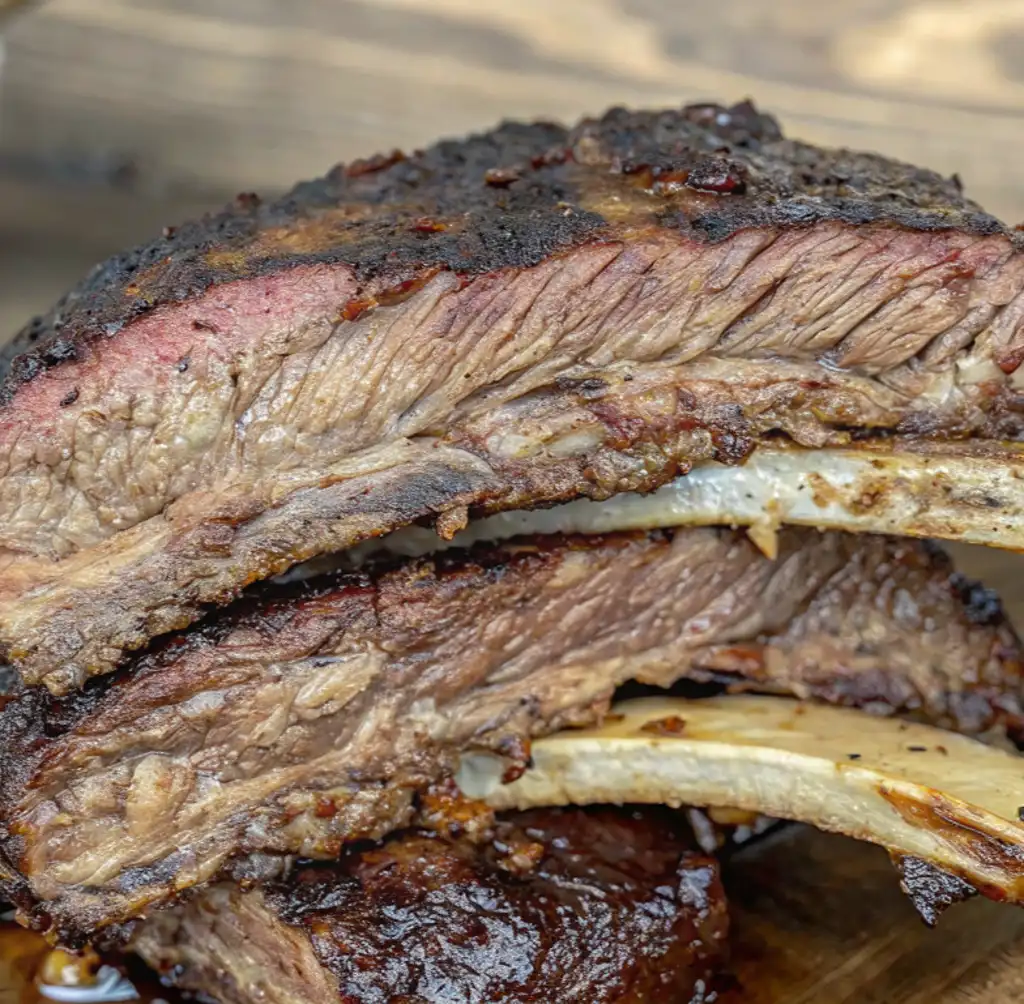
Internal Temperature for Beef Short Ribs vs Back Ribs
Short ribs feel different. They’re thicker, richer, and demand patience — I’ve learned that the hard way after pulling them off too soon and ending up with chewy bites. Aim for a best temperature for beef ribs around 200–205°F for short ribs, while back ribs can be perfect slightly earlier. To be honest with you, back ribs forgive mistakes more easily — but short ribs reward patience like nothing else.
Common Mistakes When Checking Temperature
We’ve all messed up.
And here was the surprise — most mistakes are avoidable.
- Checking too early — patience is everything
- Touching bone with the probe — false readings guaranteed
- Ignoring carryover cooking — temperature keeps rising after removal
- Trusting color instead of beef ribs internal temperature
Make no mistake about it — accuracy matters.
Professional Cooking Tips
Now, here’s where things get interesting — small tweaks make massive differences.
- Use a reliable thermometer — guessing the beef ribs internal temperature is a gamble you don’t want
- Let the ribs rest at least 20 minutes — juices need time to redistribute
- Cook low and slow — rushing ruins texture, no exceptions
- Avoid opening the lid too often — heat loss delays reaching the perfect beef ribs doneness temperature
- Season generously — beef ribs can handle bold flavors, trust me on this one
More Recipe Suggestions
- flanken style beef short ribs: How to Cook Them Perfectly So Fast
- 5 Expert Tips for the Most Delicious beef plate ribs
- How to Make Beef Country Style Ribs Taste Amazing
- How to Cook Tender Country Style Beef Ribs
- Easy Beef Back Ribs Recipe for Tender and Juicy Results
FAQs
Can you eat beef ribs at 165?
Technically yes, but they’ll be tough and chewy. The beef ribs internal temperature needs to go much higher for tenderness.
What temperature should beef ribs get to?
Ideally between 200°F and 205°F — that’s where magic happens.
Should beef ribs be at 250 or 275?
Both work. Cooking at 250°F gives more control, while 275°F speeds things up — fair enough, depending on your patience.
What temperature should a rib of beef be cooked at?
For roasting (not ribs), lower internal temps apply — but for ribs, always aim for that higher beef ribs internal temperature range.
Conclusion
In short — mastering beef ribs internal temperature transforms good ribs into unforgettable ones. I’ve struggled with this for years, but once it clicked, everything changed. Try it yourself, experiment boldly, and share your results in the comments — or subscribe for more real, no-nonsense cooking insights!
Leave a Comment
Your email address will not be published.
There are no reviews yet. Be the first one to write one.