How to Cook Beef Ribs: The Complete Guide (Oven, Smoker & More)
Truth be told, beef ribs have a personality. Handle them right, and they reward you generously. Rush them — and they push back. I’ve struggled with this for years, but once I understood How to Cook Beef Ribs the rhythm of heat, time, and patience, everything changed. Sunday dinners mattered. The table was loud, the kitchen louder, and the scent of slow-roasted meat wrapped around us like a warm blanket.
Understanding Beef Rib Cuts
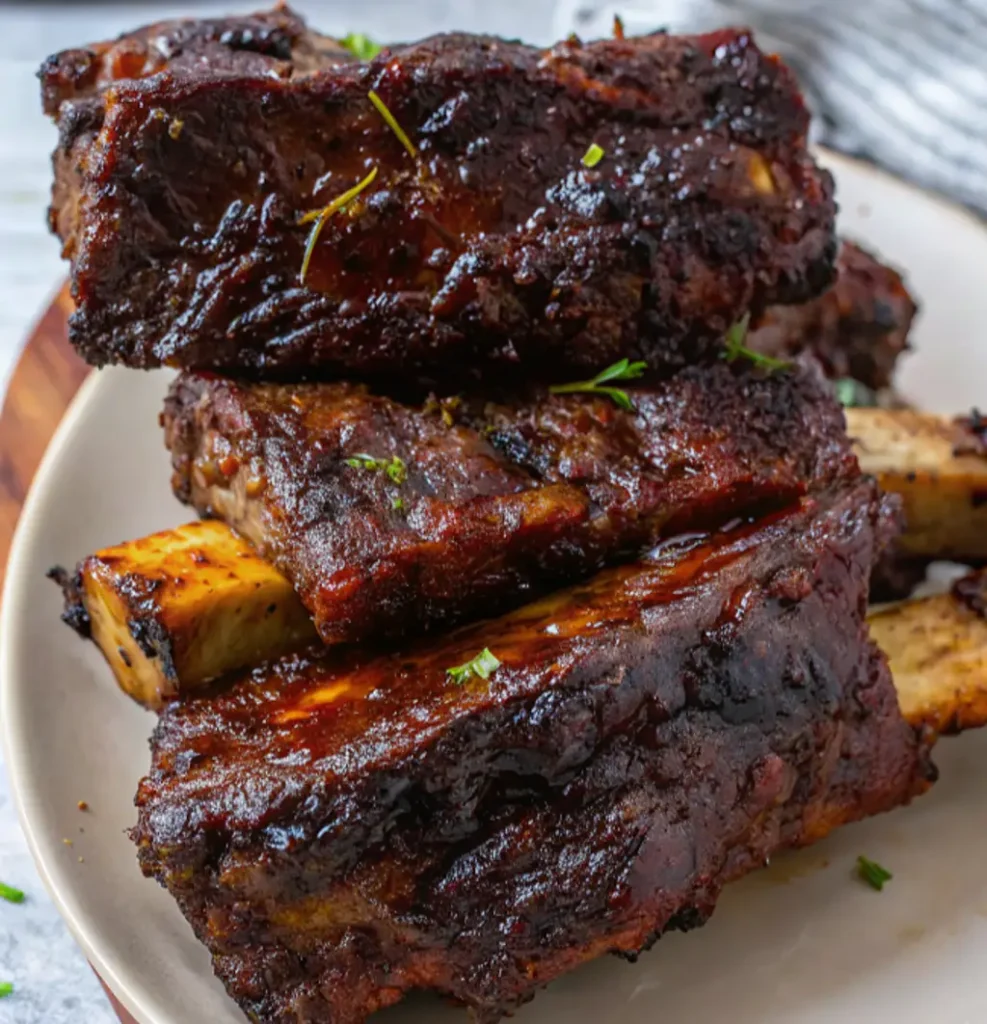
Beef ribs aren’t all the same — and I learned that the hard way. Back ribs are leaner and cook faster, while short ribs are meatier and richer. If you’re working with leaner back ribs, follow our complete beef back ribs recipe for tender, juicy results. To be honest with you, choosing the right cut makes all the difference before you even start thinking about seasoning.
If you’re looking for a quicker, easier option without bones, try our boneless beef ribs recipe for tender, juicy results every time.
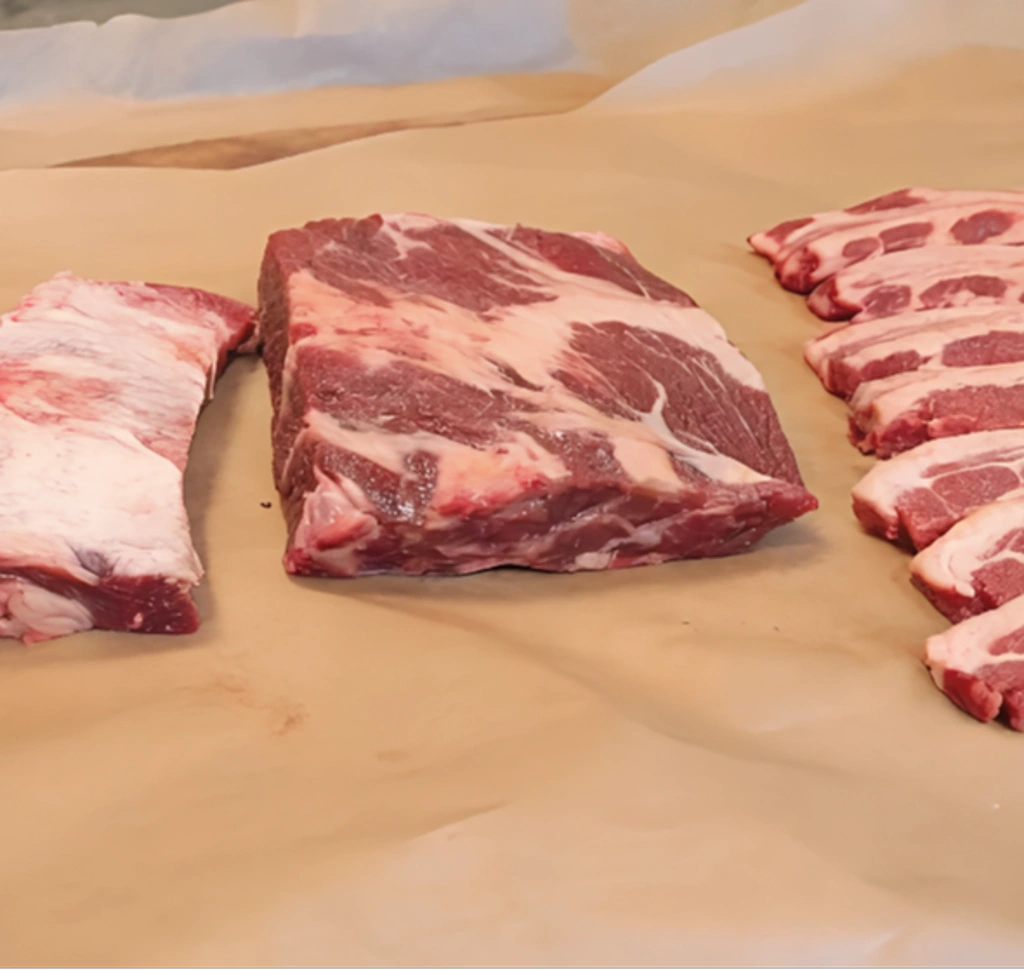
For extra-thick, meaty ribs with bold flavor, see our detailed beef plate ribs cooking guide for cut-specific techniques.
How to Cook Beef Ribs Best Methods (Compared)
I’ve tested every approach in my own kitchen — some worked beautifully, others taught me patience. Each method has its strengths, depending on your time and tools. Take a quick look below:
For a simple and reliable method, check out our guide on cooking beef ribs in the oven for perfectly tender and juicy results.
| Method | Cooking Time | Flavor Profile | Best For |
|---|---|---|---|
| Oven (Low & Slow) | 2.5–3 hrs | Deep, rich, balanced | Reliable, year-round cooking |
| Smoker | 4–6 hrs | Bold, smoky, complex | Backyard BBQ lovers |
| Grill (Indirect) | 2–3 hrs | Charred, slightly smoky | Quick outdoor cooking |
| Slow Cooker | 6–8 hrs | Ultra-tender, mild | Set-it-and-forget-it days |
“If you want maximum tenderness with minimal effort, the oven method is ideal. For deep smoky flavor, the smoker wins. If speed matters, grilling works best.”
For a simple set-it-and-forget-it method, check out our slow cooker beef ribs guide for incredibly tender and juicy meat.
For a full low-and-slow breakdown, see our smoked beef short ribs guide with detailed timing and temperature tips.
What Is the Best Temperature to Cook Beef Ribs
Low heat wins. I cook mine at 275–300°F. That steady temperature slowly melts connective tissue without shocking the meat. I’ll be the first to admit — I used to crank up the oven, but patience produces tenderness that high heat simply cannot.
If you’re specifically cooking ribs at 350°F, check out our detailed beef ribs in oven at 350 guide for exact timing and foolproof results.
To get perfectly tender results, it’s essential to understand the ideal internal temperature—see our detailed guide on beef ribs internal temperature.
How Long Does It Take to Cook Beef Ribs
Typically, 2.5 to 3 hours in the oven at 300°F does the trick. Thicker cuts may need closer to 3.5 hours. Believe it or not, ribs aren’t done when they look ready — they’re done when they feel tender and reach about 200°F internally.
Cooking Time Chart by Method & Cut
Cooking time shifts depending on the cut and method — and I’ve learned not to guess. Thickness matters. Heat matters more. Here’s a quick-reference chart I personally rely on when planning dinner
If you’re grilling thicker country-style cuts, our grilled country style beef ribs guide walks you through perfect charring and moisture control.
| Cut | Oven (300°F) | Smoker (250°F) | Grill (Indirect) |
|---|---|---|---|
| Back Ribs | 2.5–3 hrs | 4–5 hrs | 2–2.5 hrs |
| Short Ribs | 3–3.5 hrs | 5–6 hrs | 2.5–3 hrs |
| Flanken Ribs | 1.5–2 hrs | 3–4 hrs | 1.5–2 hrs |
Trust me on this one — tenderness tells you more than the clock ever will.
Timing is just as important as technique—learn exactly how long to cook ribs for each method in our detailed how long to cook beef ribs guide.
Are Beef Ribs Better Cooked Low and Slow
Yes. Without question. Low and slow cooking melts connective tissue gradually, producing juicy, fork-tender meat. High heat tightens muscle fibers. if you want melt-in-your-mouth results, slow heat is your best ally.
Long story short If you’re using thin cross-cut ribs for grilling or Korean-style marinades, read our flanken style beef short ribs tutorial.
Why You’ll Love This Recipe
- Deep, bold flavor Rich marbling melts slowly, creating juicy, intensely savory bites that taste like they simmered all day — because they did.
- Beginner-friendly process To put it simply: season, cook low, wait. The method sounds humble, yet the payoff is restaurant-worthy.
- Flexible cooking options Oven, grill, smoker — fair enough, choose your weapon. The crazy part is, each method builds a slightly different character.
- Crowd-pleasing results Hands down, it’s the best dish for gatherings. People go quiet. Then they ask for seconds.
Ingredients List
Key Ingredients
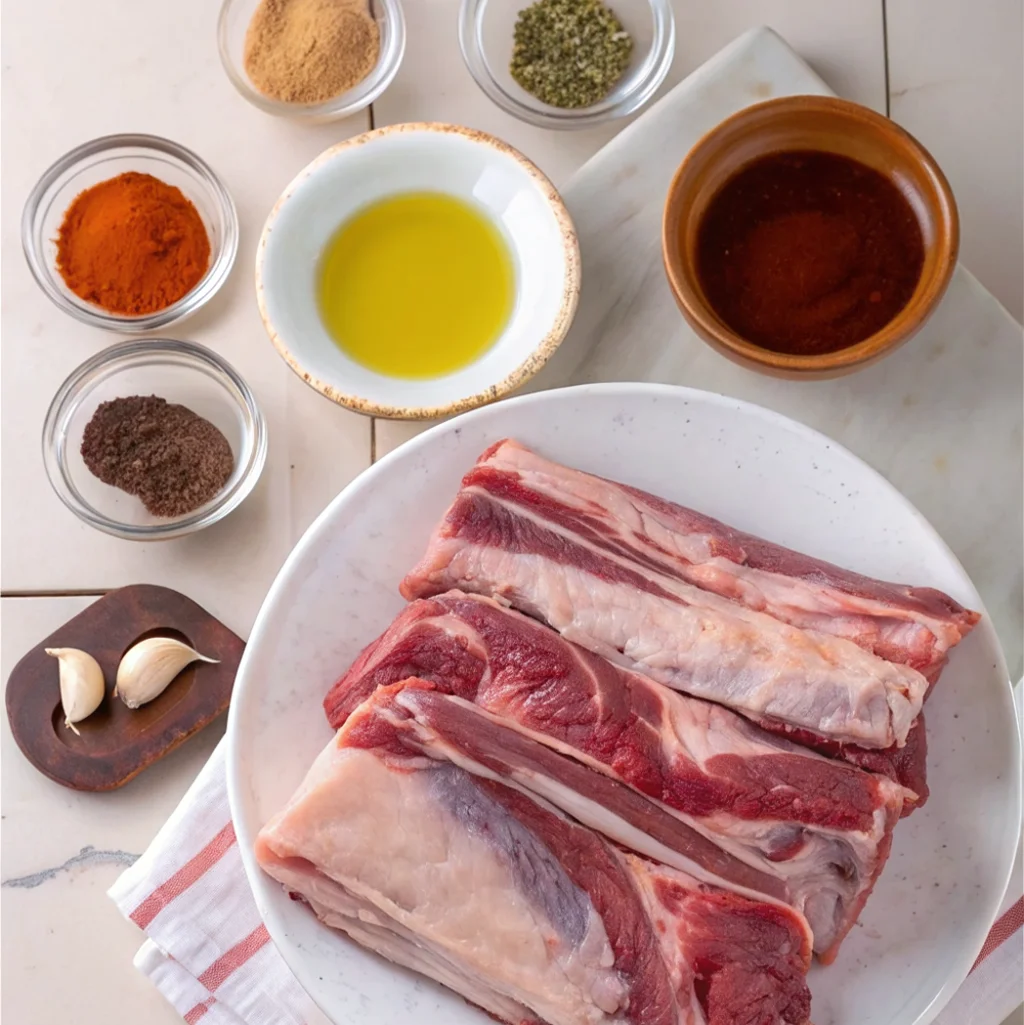
- 4 pounds beef ribs (short ribs or back ribs) The star of the show. Look for generous marbling — that fat equals flavor and tenderness.
- 2 tablespoons kosher salt Enhances natural beef richness. Sea salt works too.
- 1 tablespoon freshly cracked black pepper Sharp, aromatic heat that balances the fat.
- 1 tablespoon smoked paprika Adds a subtle smoky backbone — even if you’re cooking indoors.
- 4 cloves garlic, minced Sharp and earthy. Garlic powder works in a pinch.
- 1 tablespoon brown sugar Helps caramelization. You can substitute honey.
- 1 cup beef broth Keeps the ribs moist during cooking.
- 2 tablespoons apple cider vinegar A splash of acidity cuts through richness — don’t skip it.
Recipe Options
- Add chili flakes for heat.
- Swap paprika for chipotle powder.
- Brush with BBQ sauce during the last 20 minutes for sticky glaze.
- Use fresh rosemary or thyme for an herbal twist.
I used to think that ribs needed complicated marinades — but now I know simplicity lets the beef shine.
Timing
- Prep time: 20 minutes
- Cook time: 3 hours (oven method)
- Total time: Around 3 hours 20 minutes
How to Cook Beef Ribs (Step-by-Step) Guide
1. Prep the Ribs — Build the Foundation
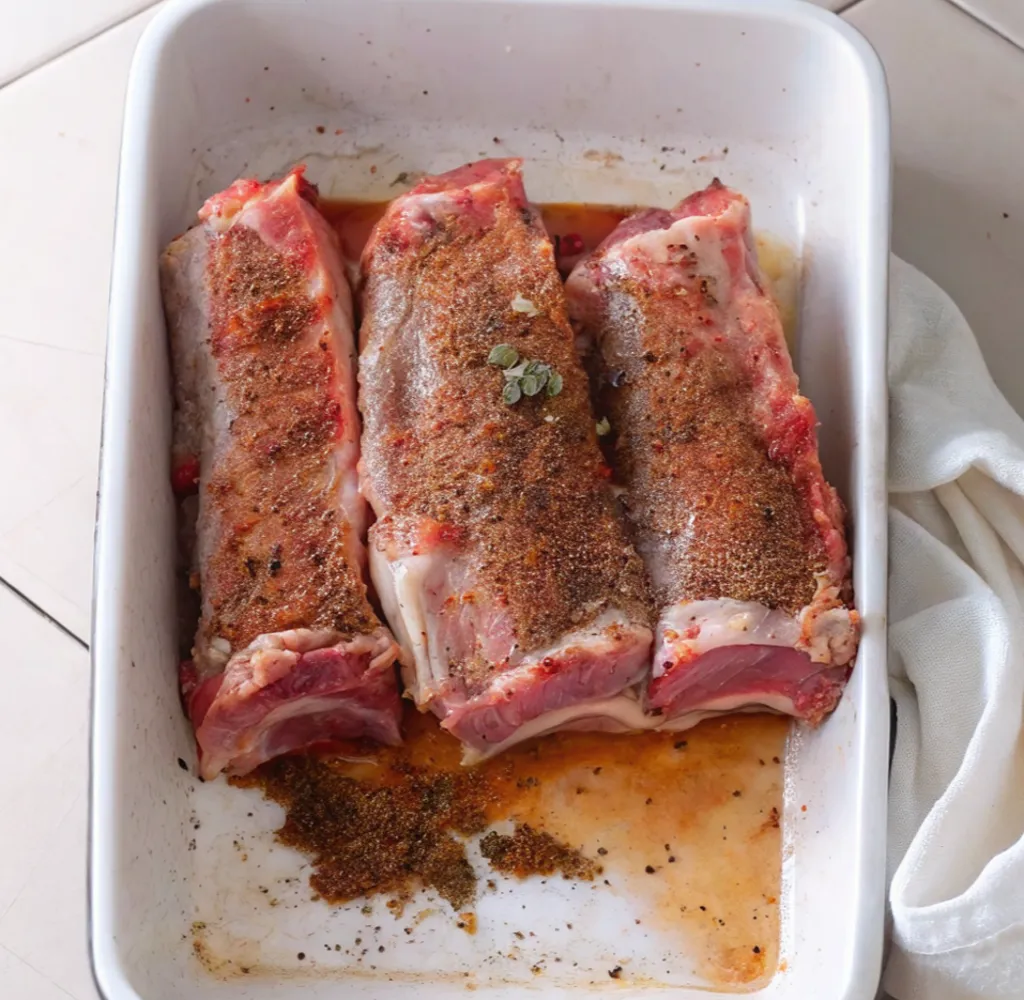
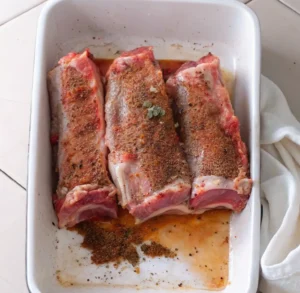
Pat the ribs dry. Moisture is the enemy of crust. Mix salt, pepper, paprika, garlic, and brown sugar in a bowl. Rub the mixture generously over every inch. Press firmly — make no mistake about it, seasoning is your flavor insurance.
Pro tip: Let the ribs rest at room temp for 30 minutes right before cooking. It helps them cook more evenly.
2. Sear for Depth — Optional but Powerful
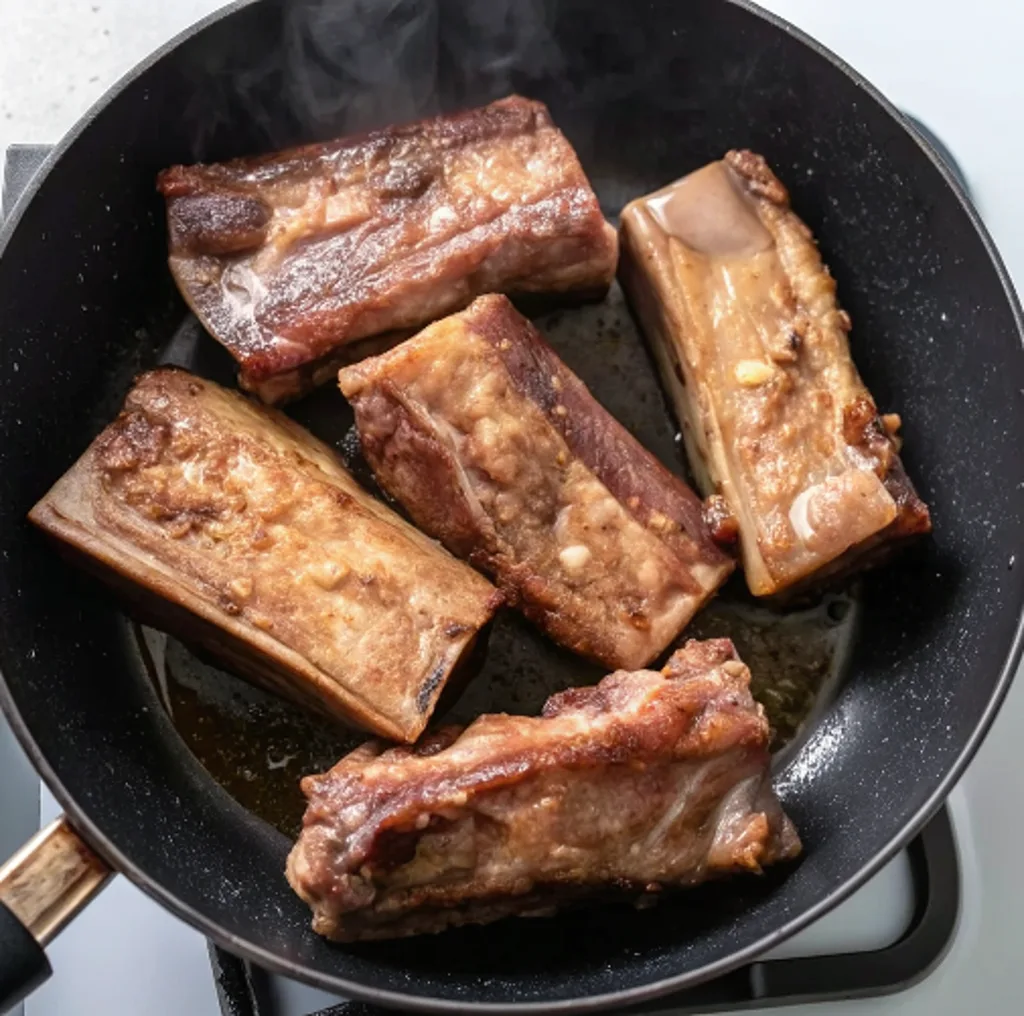
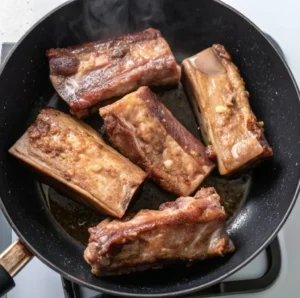
Heat a heavy pan until it’s screaming hot. Add a touch of oil. Sear the ribs on each side for 2–3 minutes. That dark crust equals complexity. And here was the surprise — even a short sear makes a massive difference in final flavor.
Pro tip: Don’t overcrowd the pan. Steam is not your friend.
3. Slow Cook — Where the Magic Happens
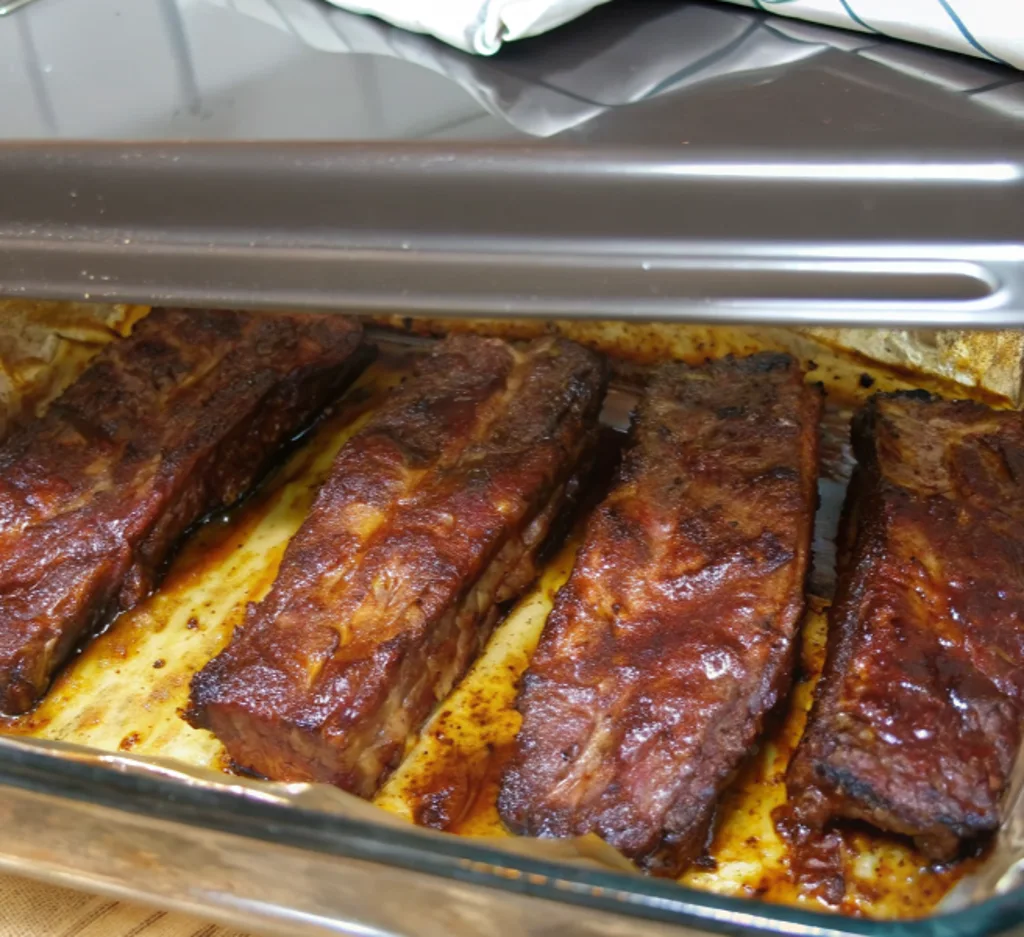
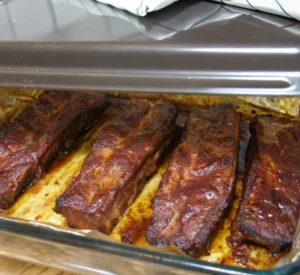
Preheat oven to 300°F (150°C). Place ribs in a baking dish, bone-side down. Pour beef broth and vinegar around them — not over them. Cover tightly with foil.
Slide into the oven, Walk away Seriously This is a game-changer. Cook for about 2.5 to 3 hours until the meat pulls back from the bone.
4. Finish Strong — Caramelize and Intensify
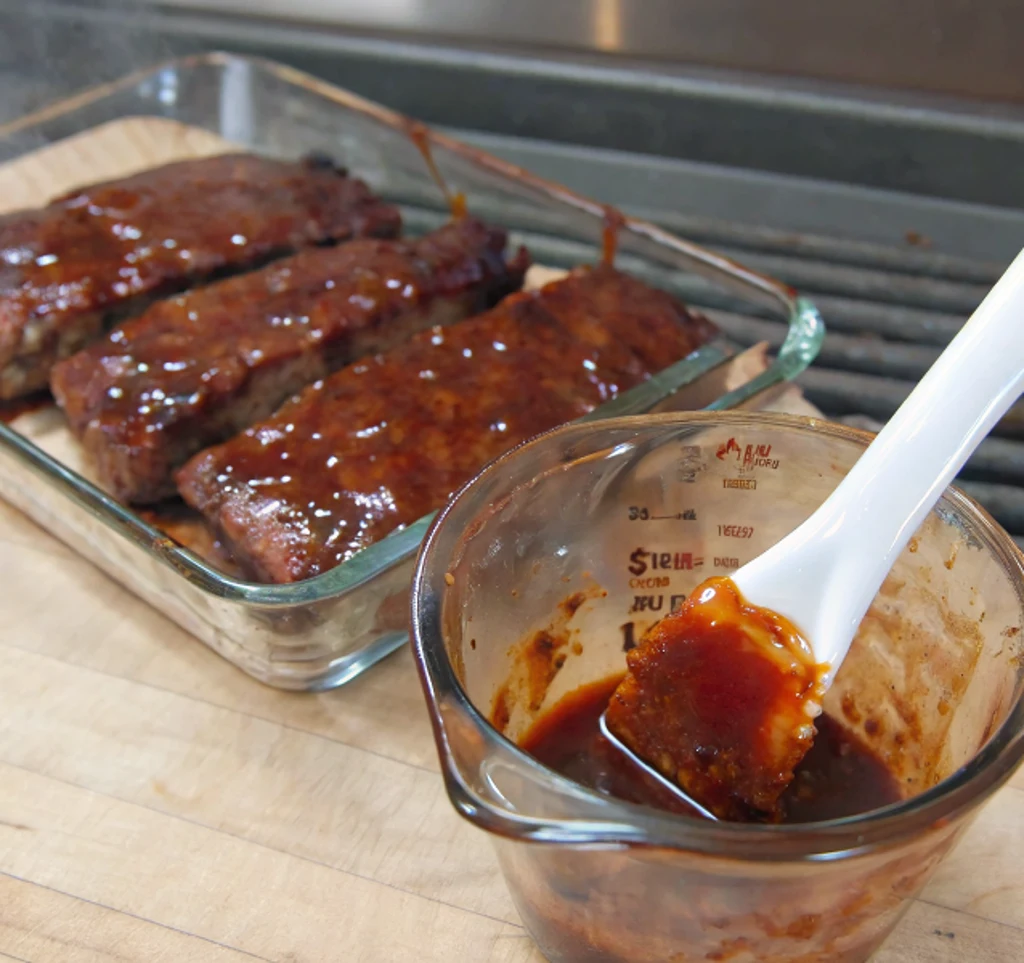
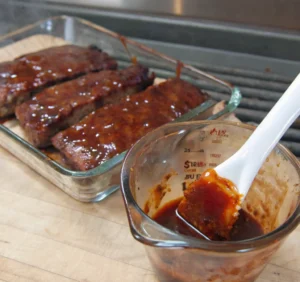
Remove foil for the last 20–30 minutes. Brush with sauce if using. Increase temperature to 400°F (200°C) to develop a caramelized crust.
You won’t believe this, but that final blast of heat transforms everything. Crisp edges. Sticky glaze. Deep aroma.
Pro tip: Let the ribs rest 10–15 minutes before slicing. Resting seals the juices inside.
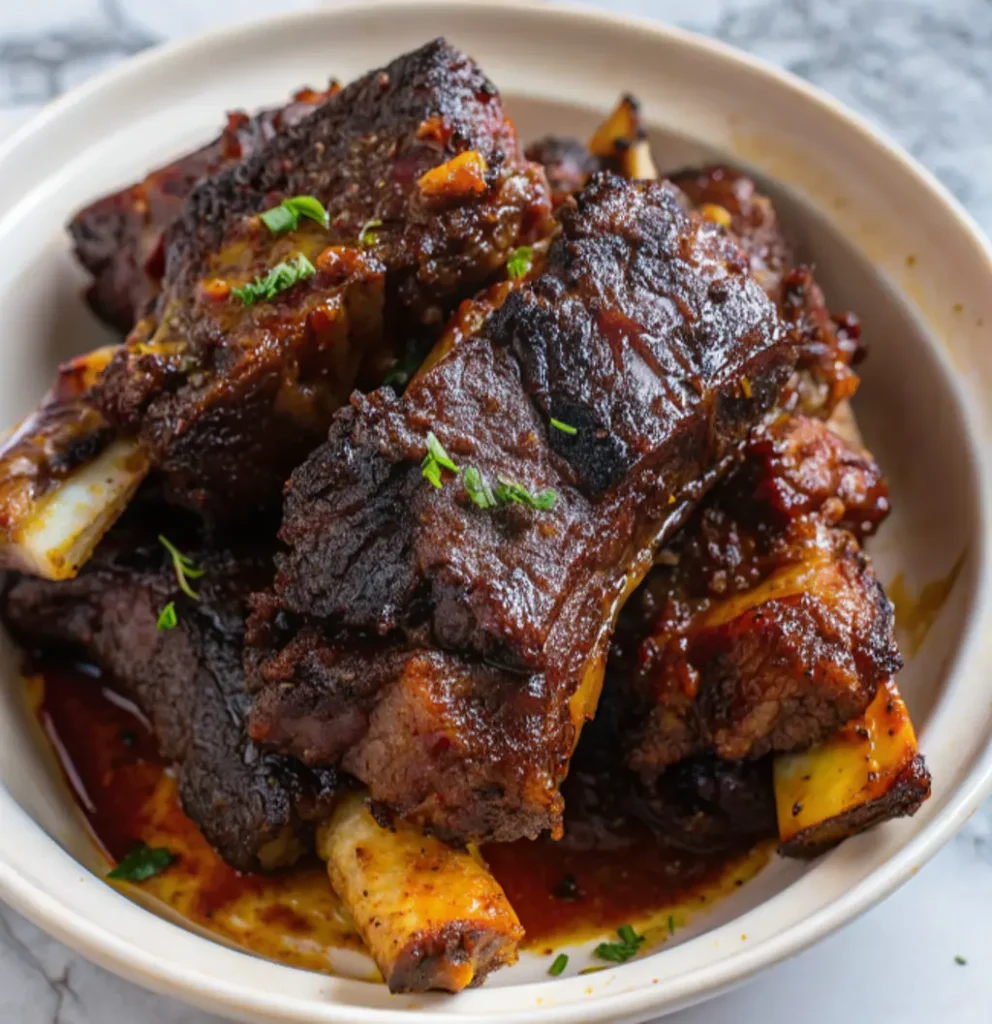
Professional Cooking Tips
- Control the temperature — Keep your oven or smoker steady between 275–300°F. Wild heat swings tighten the meat fibers and sabotage tenderness. When learning how to cook beef ribs, consistency matters more than fancy equipment.
- Cook to feel, not just time — Ribs are ready when a probe slides in with little resistance. The internal temperature should hover around 200–205°F. I used to rely only on the clock — big mistake.
- Rest before slicing — Let them sit at least 10–15 minutes. Juices redistribute during this pause, and skipping it means flavor on the cutting board instead of in your bite.
- Layer flavor gradually — Season early, sauce late. Adding sugary sauces too soon can burn the surface before the inside becomes tender.
- Slice against the grain — This shortens muscle fibers and makes each bite easier to chew. Small detail. Huge difference.
Why Are My Beef Ribs Tough
Undercooking is usually the culprit. Collagen needs time to break down. If ribs are chewy, they likely needed another 30–45 minutes. Let’s be real for a second — impatience ruins ribs faster than bad seasoning ever could.
Should Beef Ribs Be Cooked Covered or Uncovered
Covered first. Uncovered later. Covering traps moisture and gently braises the ribs. Removing foil at the end builds that irresistible crust. It sounds too good to be true, right — but this two-stage approach delivers both tenderness and texture.
Make-Ahead, Storage & Reheating Tips
I’ll let you in on a secret — beef ribs taste even better the next day.
Can You Make It Ahead?
Absolutely. Cook them fully, cool them, then refrigerate overnight. The flavors deepen — oddly enough, the texture improves too.
How to Store
Wrap tightly in foil or store in airtight containers. They’ll last 3–4 days in the fridge. For longer storage, freeze up to three months.
Side note: label them. Future-you will thank you.
Way to Reheat
Low and slow again. Reheat at 275°F (135°C), covered with foil, for about 20–30 minutes. Add a splash of broth to prevent drying.
Microwave? Fair enough — but use 50% power and cover them with a damp paper towel.
Bottom line: gentle heat preserves tenderness.
Serving Suggestions
Now, you might be wondering — what goes with ribs?
- Creamy mashed potatoes with roasted garlic.
- Tangy coleslaw for crunch contrast.
- Buttered cornbread.
- Grilled corn brushed with chili-lime butter.
- Simple arugula salad with lemon vinaigette.
The point I’m trying to make is this: balance richness with freshness.
Nutritional Information
Here’s a general breakdown per serving, though exact numbers shift depending on your ingredients and portion size:
- Calories: 450–550 kcal
- Protein: 35–40g
- Fat: 35g (varies by cut)
- Iron: 20% daily value
- Zinc: 45% daily value
- Vitamin B12: Over 100% daily value
Note: The nutritional values provided are estimates and may vary depending on the ingredients, quantities, and brands used.
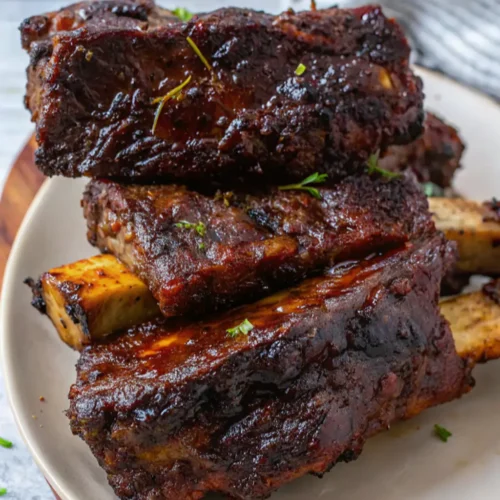
How to Cook Beef Ribs: The Complete Guide (Oven, Smoker & More)
Ingredients
- 4 pounds beef ribs short ribs or back ribs
- 2 tablespoons kosher salt
- 1 tablespoon freshly cracked black pepper
- 1 tablespoon smoked paprika
- 4 cloves garlic minced
- 1 tablespoon brown sugar
- 1 cup beef broth
- 2 tablespoons apple cider vinegar
Instructions
1. Prep the Ribs — Build the Foundation
- Pat the ribs dry. Moisture is the enemy of crust. Mix salt, pepper, paprika, garlic, and brown sugar in a bowl. Rub the mixture generously over every inch

2. Sear for Depth — Optional but Powerful
- Heat a heavy pan until it’s screaming hot. Add a touch of oil. Sear the ribs on each side for 2–3 minutes.

3. Slow Cook — Where the Magic Happens
- Preheat oven to 300°F (150°C). Place ribs in a baking dish, bone-side down. Pour beef broth and vinegar around them — not over them. Cover tightly with foil.

4. Finish Strong — Caramelize and Intensify
- Remove foil for the last 20–30 minutes. Brush with sauce if using. Increase temperature to 400°F (200°C) to develop a caramelized crust.

Notes
Nutritional Information
- Calories: 450–550 kcal
- Protein: 35–40g
- Fat: 35g (varies by cut)
- Iron: 20% daily value
- Zinc: 45% daily value
- Vitamin B12: Over 100% daily value
More Great beef ribs Recipes
- Easy Beef Back Ribs Recipe for Tender and Juicy Results
- How to Cook Tender Country Style Beef Ribs
- How to Make Beef Country Style Ribs Taste Amazing
- The Ultimate Guide to Sous Vide Beef Short Ribs: No More Tough Meat
FAQs
What’s the best way to cook beef ribs?
Low and slow — always. Oven-braising at 300°F is the most reliable path if you’re learning how to cook beef ribs at home. A smoker adds bold depth, sure, but steady heat and patience matter more than gadgets. Consistency wins.
How long do beef ribs need to cook?
Most cuts need 2.5 to 3.5 hours in the oven, depending on thickness. Short ribs can take longer. Trust me on this one — if they’re still firm, they’re not done. Tender means the probe slides in easily.
What is the best cooking method for ribs?
It depends on your setup. The oven is predictable. The smoker builds complexity. The grill works beautifully with indirect heat. Bottom line: low temperature and enough time transform tough connective tissue into silky richness.
What is the best way to cook rib meat?
Cook until collagen fully breaks down — around 200°F internal temperature. Rest afterward. Slice against the grain. Simple steps, big payoff. That’s where things get interesting.
Conclusion
Beef ribs reward patience. Season boldly, cook low, rest properly. That’s the formula. Now you know exactly how to cook beef ribs with confidence and depth of flavor. Try this recipe, share your experience in the comments, and subscribe for more honest, flavor-packed kitchen wisdom.
Leave a Comment
Your email address will not be published.
There are no reviews yet. Be the first one to write one.