
Brine vs Inject Brisket: Which Method Is Best for Juicy BBQ?
When it comes to brine vs inject brisket, pitmasters are divided. If you’ve ever stood over a raw brisket wondering whether to soak it or stab it with flavor, welcome to the club. I’ve been there. Knife in one hand. Injector in the other. Doubt everywhere. Today we’re breaking down Brine vs Inject Brisket in a way that actually makes sense — no fluff, no rigid textbook talk, just honest experience from someone who has ruined a brisket or two (okay, maybe three).
In this guide, we’ll break down flavor impact, texture results, cooking performance, and when each method makes the most sense. By the end, you’ll know exactly which technique fits your brisket goals.
Choosing the wrong method can leave you with dry, chewy meat — and no one wants to ruin an expensive brisket. This recipe is a variation of our classic Brisket Injection Recipe Brisket injection recipe: How to Get Juicy Results Every Time
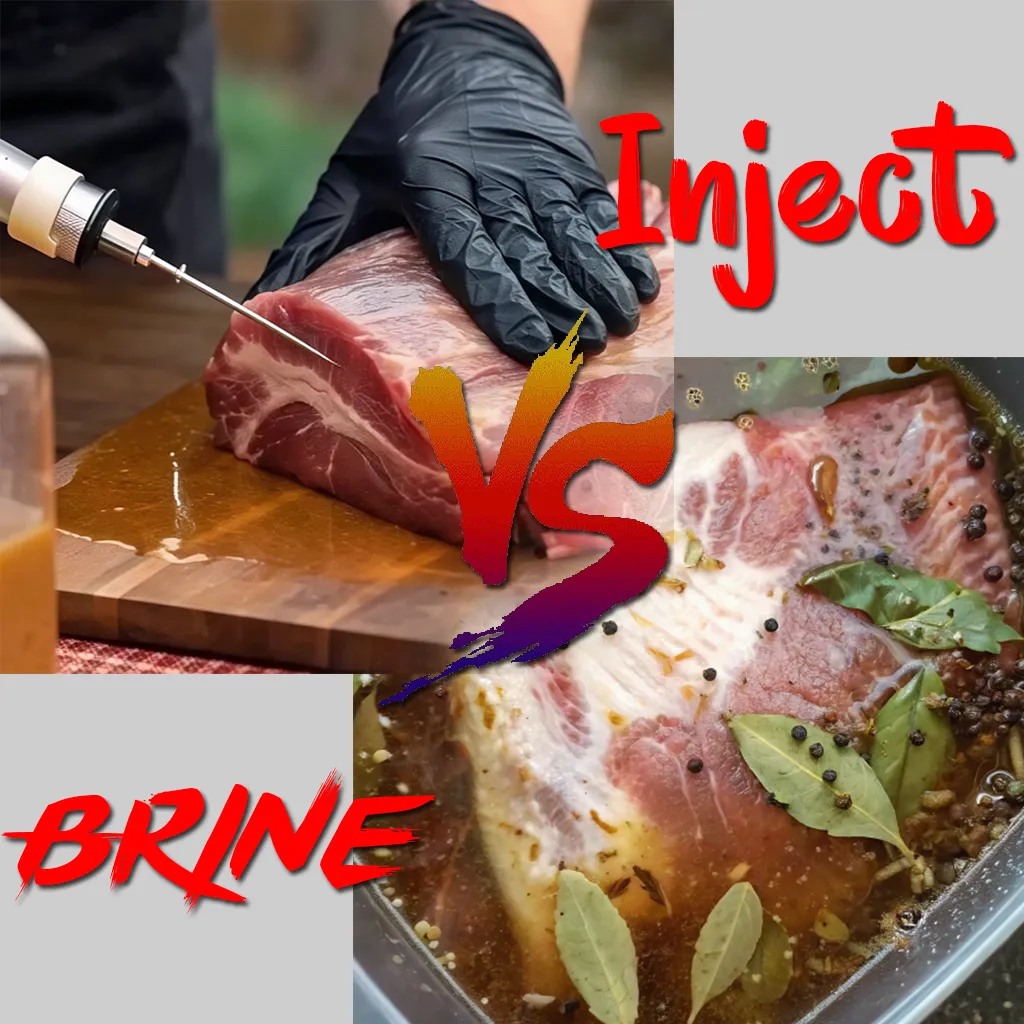
Table of Contents
Quick Answer: Should You Brine or Inject Brisket
Quick answer? It depends on your goal. If you want balanced seasoning and steady moisture retention, brine the brisket. If bold internal flavor and richness matter more, inject it. Truth be told, both work — but your timeline, cut quality, and cooking style make the final call.
| Feature | Brining | Injecting |
|---|---|---|
| Flavor Depth | Surface to inside (slow) | Direct internal flavor |
| Time Required | 12–24 hours | 5–10 minutes |
| Equipment | Container | Injector |
| Risk Level | Over-salting | Over-injecting |
| Best For | Beginners | Competition BBQ |
Why This Debate Brine vs Inject Brisket Matters
Brisket isn’t forgiving. It’s thick, stubborn, and loaded with connective tissue that demands patience and precision. One wrong move and you’re chewing on something that feels like smoked rubber.
I used to think that brisket was all about the rub and the fire — but now I know moisture management is where the magic hides. That’s where Brine vs Inject Brisket becomes more than just a choice. It becomes strategy.
Let’s be real for a second: brisket is expensive. Nobody wants to gamble blindly.
Because how you reheat it can ruin everything — learn the best technique in our article How to Reheat Beef Brisket.
Practical Step-by-Step: How I Brine a Brisket
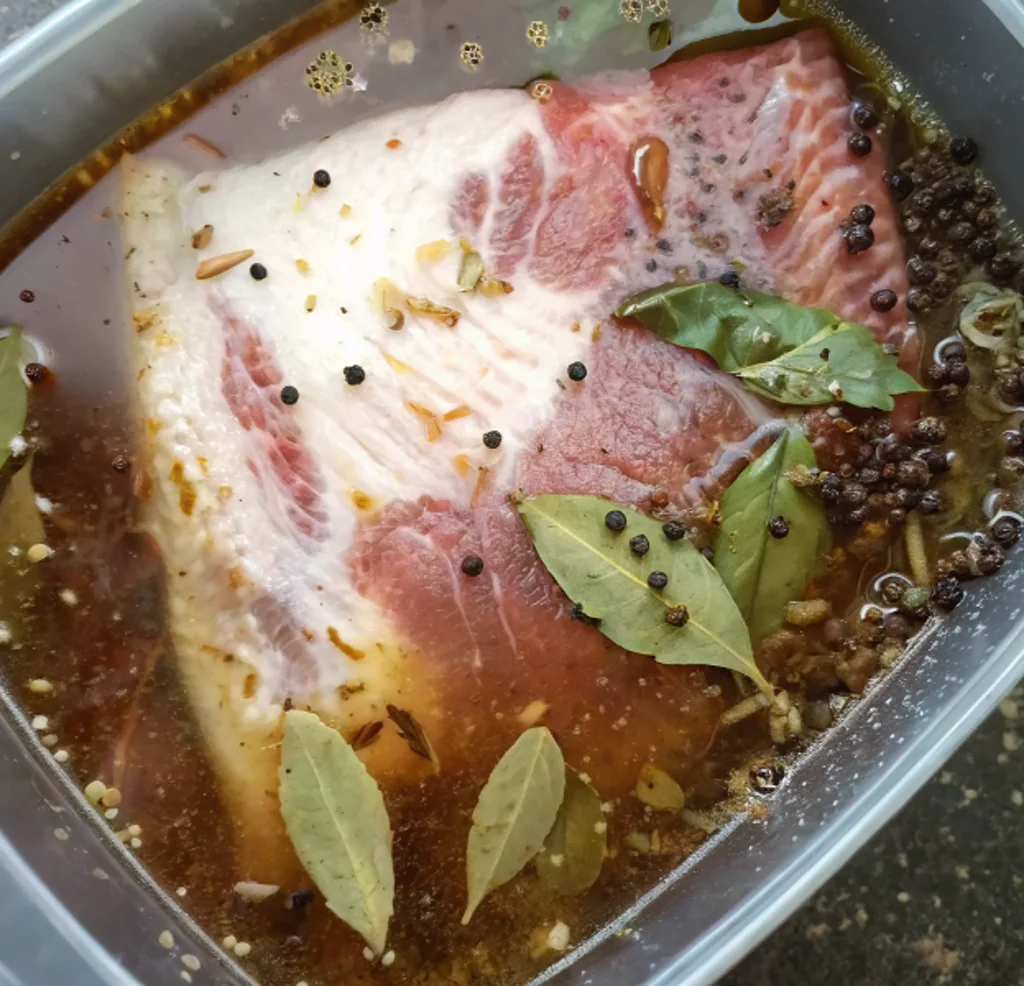
Simple Brine Process
- Mix 1 cup kosher salt per gallon of water
- Add aromatics and spices
- Submerge brisket fully
- Refrigerate 12–18 hours
- Rinse lightly and pat dry
- Apply rub before smoking
- Keep it straightforward.
Practical Step-by-Step: How I Inject a Brisket
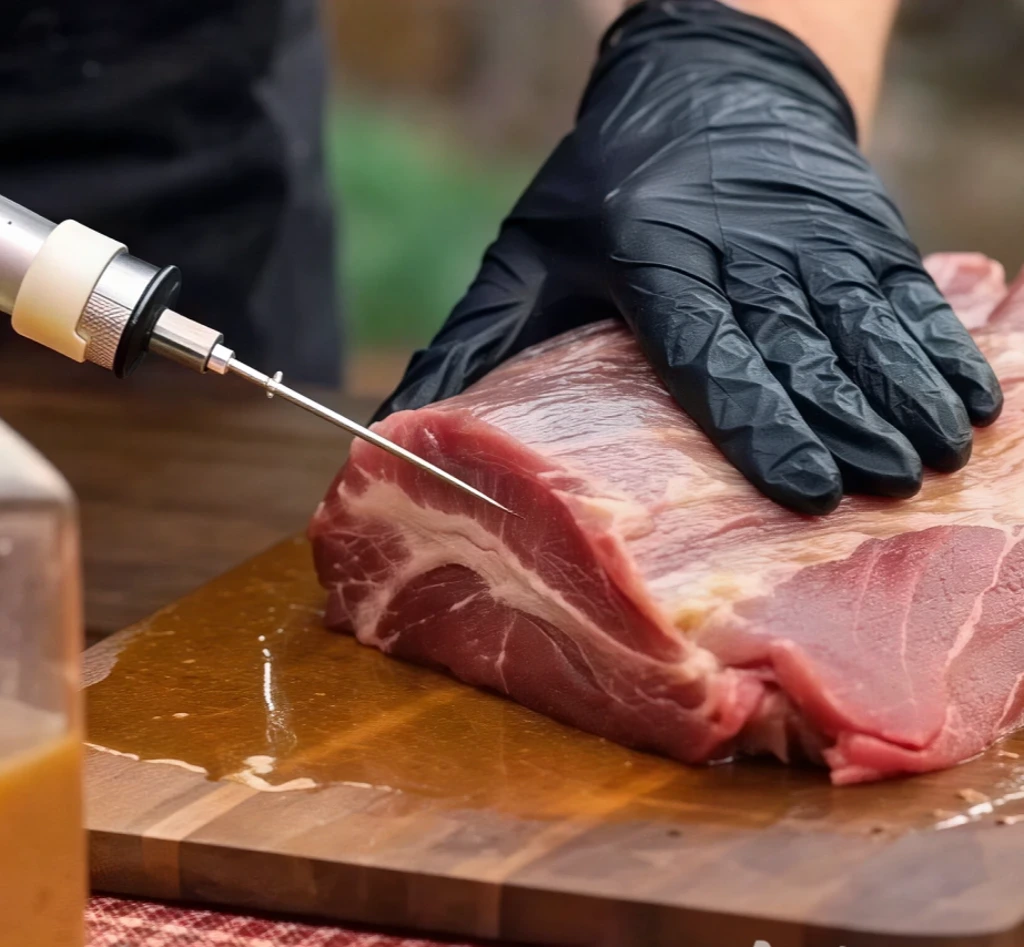
Simple Injection Process
- Warm beef broth slightly
- Add melted tallow or butter
- Fill injector
- Inject every 1–2 inches across grain
- Pat dry exterior
- Apply rub immediately
- Steady hands matter.
The Brining Method Explained Does It Mean to Brine a Brisket
Brining means soaking the brisket in a salt-based liquid solution for hours — sometimes overnight — to allow moisture and seasoning to penetrate gradually.
Simple in theory. But don’t underestimate it.
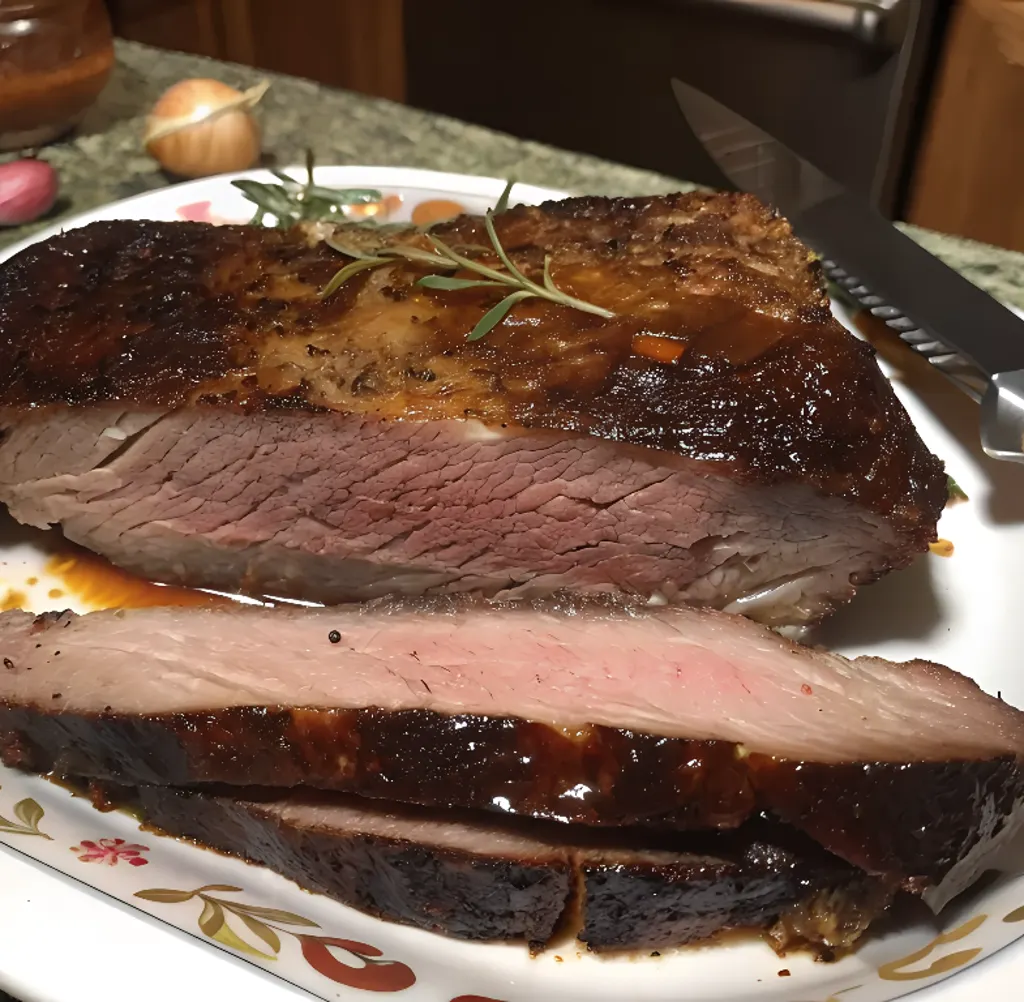
You’ll need:
- Water
- Kosher salt
- Sugar (optional but helpful for balance)
- garlic
- bay leaves
- peppercorns
- Optional spices or herbs
To put it simply: brining works through osmosis. Salt alters protein structure so the meat retains more moisture during cooking. Sounds scientific But it works.
I’ll be the first to admit — the first time I brined a brisket, I overdid the salt. It tasted like the ocean had opinions. Lesson learned.
Pros of Brining
- Improves moisture retention
- Seasons more evenly throughout
- Helps prevent dryness during long cooks
- Gentle flavor development
Cons of Brining
- Requires large container space
- Takes time (12–24 hours)
- Can dilute beefy flavor if too long
- Risk of over-salting
And here was the surprise — brined brisket sometimes tastes slightly softer in texture. Not bad. Just different.
The Inject a Brisket? Method Explained
Injecting means using a meat injector to push seasoned liquid directly into the brisket’s interior Fast. Direct. Aggressive.
You won’t believe this, but the first time I injected brisket, I felt like a barbecue surgeon.
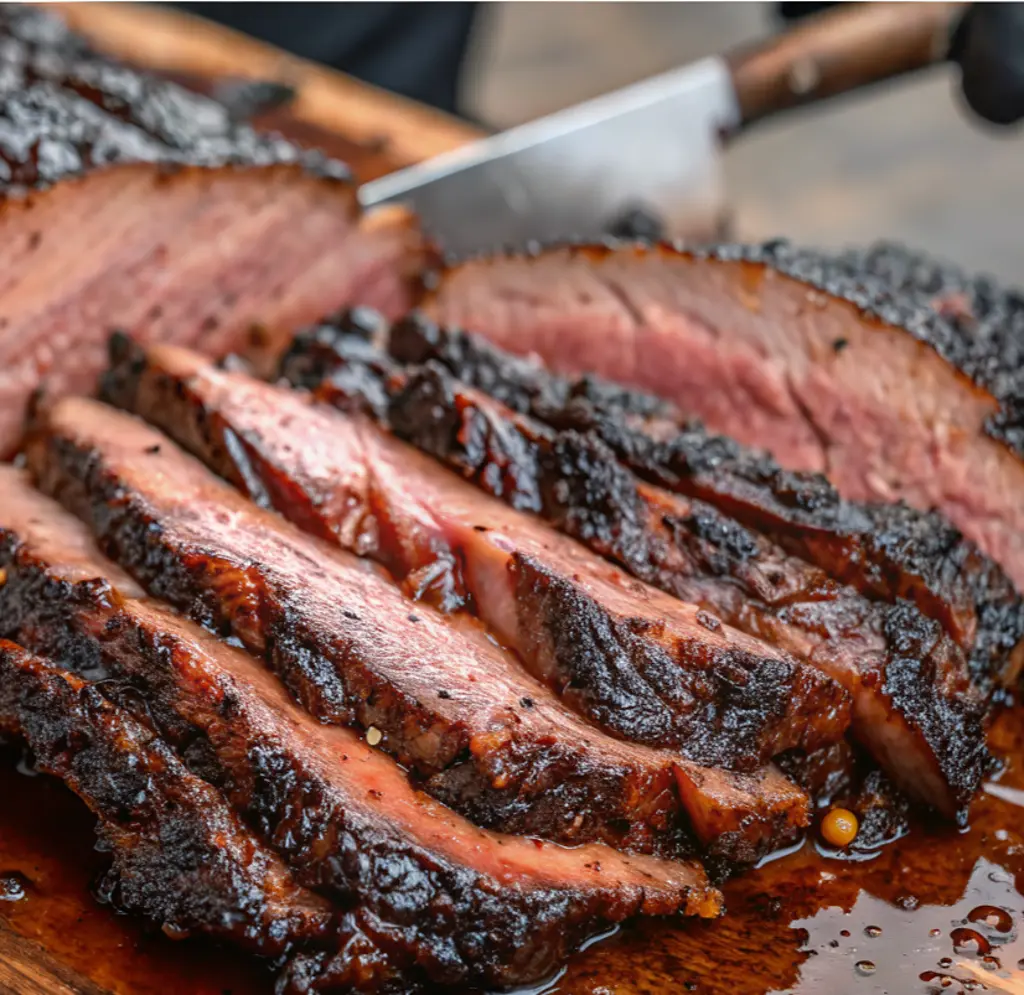
You’ll need:
- Beef broth or stock
- Melted butter or beef tallow
- Worcestershire sauce
- Phosphate blends (for competition cooks)
- Spices and umami boosters
Instead of waiting hours for salt diffusion, injection delivers flavor straight into the muscle fibers.
If you decide to inject, you’ll need a precise recipe — try this tried-and-true brisket injection recipe.
Pros of Injecting
- Immediate internal flavor
- Faster prep time
- Boosts richness
- Great for leaner briskets
Cons of Injecting
- Risk of uneven pockets of flavor
- Can create mushy spots if overdone
- Requires extra equipment
- Can leak during cooking
Believe it or not, injection can dramatically intensify beef flavor when done correctly. But make no mistake about it — too much injection ruins texture. For those who enjoy a light, balanced flavor, learn how to make beef brisket with apple juice.
Brine vs Inject Brisket Comprehensive comparison
Brine vs Inject Brisket: Flavor Comparison
Now we’re getting somewhere. When comparing Brine vs Inject Brisket, flavor depth behaves differently.
- Brining delivers a balanced, evenly seasoned profile. The salt gently modifies the meat throughout. It’s subtle. Cohesive.
- Injection? That’s bold. Injected brisket has concentrated bursts of flavor. Rich pockets. Enhanced savoriness.
- Oddly enough, I prefer brining for backyard gatherings and injection for competitions or when I want to impress someone who “knows brisket.”
For competitions or intense flavor, check out the award-winning brisket injection recipe.
Hands down, injection produces stronger internal flavor. But brining offers consistency Fair enough.
Brine vs Inject Brisket: Moisture Retention
Low and slow cooking drains moisture over time. That’s just physics. So how does Brine vs Inject Brisket affect juiciness?
- Brining changes protein structure, helping the brisket hold onto its own juices.
- Injection adds extra liquid inside — giving it backup moisture.
- The crazy part is this: injected briskets can sometimes feel juicier at first bite, but brined briskets stay moist longer during resting.
To my absolute surprise, I noticed brined brisket slices held together better after resting 1–2 hours. Don’t ruin the texture by cutting it wrong. Refer to the steps for Sliced Beef Brisket.
Brine vs Inject Brisket: Texture and Bite
- Texture defines success. Brining slightly softens muscle fibers. It can create a smoother bite.
- Injection — especially with butter or tallow — enriches texture. It makes each slice feel silkier.
- But wait, there’s more. Over-injecting creates sponge-like sections. And nobody wants that.
Which One Is Better for Beginners?
Now, you might be wondering which method is safer if you’re new. Truth be told — brining is more forgiving, You soak, You wait, You cook.
Injection demands precision Placement matters. Quantity matters. Timing matters, If you’re just starting out, brining reduces risk.
And here comes the famous question: Should we cook at 180 or 225? We discussed this in smoke brisket at 180 or 225.
But if you’re adventurous — injection is a game-changer.
Once you’ve chosen your method, see our detailed brisket cooking guide from prep to slicing.
Who Should Brine vs Who Should Inject?
If you prefer steady, balanced seasoning and a forgiving process, brining is your lane. If you chase bold internal flavor and don’t mind precision work, injection fits better. Beginners usually benefit from brining, while competitive or detail-oriented cooks often lean toward injecting for deeper intensity.
Final Verdict: Brine vs Inject Brisket So what’s the winner?
You’re absolutely right — it depends. If you want subtle enhancement and insurance against dryness, brine.
If you crave intense internal flavor and richness, inject. The point I’m trying to make is this: both methods work when executed thoughtfully.
At the end of the day, brisket rewards patience, not shortcuts. And honestly? The fire, the rest, and your instinct matter just as much.
I’m not exaggerating if I say that mastering Brine vs Inject Brisket elevated my barbecue more than any rub ever did.
Experiment. Adjust. Taste. And don’t be afraid to mess up
FAQ
Is it better to brine or inject brisket?
It depends on your goal. Brining is better for even seasoning and moisture throughout the entire cut, especially for beginners. Injecting brisket delivers stronger internal flavor and works faster, making it ideal for competition-style cooking.
Do pitmasters inject brisket?
Yes, many competition pitmasters inject brisket to enhance moisture retention and intensify beef flavor, However, some traditional pitmasters prefer dry brining for a more natural beef profile.
Do you inject brisket before or after seasoning?
Brisket should be injected before applying the dry rub. Injecting first allows the liquid to distribute evenly inside the meat without washing off the seasoning. After injecting, let the brisket rest briefly, then apply the rub before cooking.
Is it better to brine or inject brisket overnight?
Brining is typically done overnight to allow salt and moisture to penetrate gradually. Injecting, on the other hand, works much faster and usually requires only a short resting period before cooking.
Similar recipes you’ll want to try
- Dry Brine Brisket: The Simple Method for Juicy, Flavor-Packed BBQ
- How to Smoke a Brisket on a Pellet Grill 5 Secrets to the Best Flavor
- Brisket Mac and Cheese: How to Make It Perfect Every Time
- smoked corned beef brisket: 5 Secrets to the Best Flavor
- How and When to Wrap a Brisket A Simple Guide for Beginners
Leave a Comment
Your email address will not be published.
There are no reviews yet. Be the first one to write one.