
irish sausage recipe: How to Get the Texture Just Right at home
Food has a funny way of stitching memories together, and I learned that early, standing in my aunt’s kitchen while laughter bounced off the walls and plates kept reappearing from the stove. The smell of irish sausage sizzling was comfort, belonging, and family all rolled into one—no exaggeration.

Why You’ll Love This Recipe
Believe it or not, this recipe keeps winning hearts for a reason.
- Deep, herby flavour that tastes slow-made, not rushed
- Juicy texture without being greasy—trickier than it sounds
- Simple ingredients you probably already trust
- Flexible enough for breakfast, lunch, or late-night cravings
- Feels traditional, yet fits modern kitchens effortlessly
Table of Contents
Ingredients List
You’ll need:
- ground beef (80/20 blend) — rich, succulent, forgiving
- Rusk or breadcrumbs — the unsung hero for tenderness
- Fresh sage — earthy and bold, thyme works too
- White pepper — subtler than black, but don’t skip it
- Nutmeg (a pinch!) — warmth, not sweetness
- Salt — enough to wake everything up
- Cold water or milk — binds without heaviness
Substitution Ideas
- Chicken mince instead of ground beef—lighter, still satisfying
- Gluten-free oats for rusk—oddly enough, it works
- Dried herbs if fresh aren’t handy—fair enough
Recipe Options
- Classic breakfast sausages
- Skinless patties for sandwiches
- Oven-baked version for batch cooking
What Is Irish Sausage
An irish sausage is mild, herby, and unapologetically comforting, relying less on heat and more on balance. It’s not flashy. It doesn’t shout. It hums quietly with sage, white pepper, and nostalgia, and that’s exactly why it sticks with you long after the plate’s empty.
Timing
- Prep time: 20 minutes
- Resting time: 30 minutes
- Cooking time: 20 minutes
- Total: 70 minutes
How to Make irish sausage
Step 1: Mix With Care
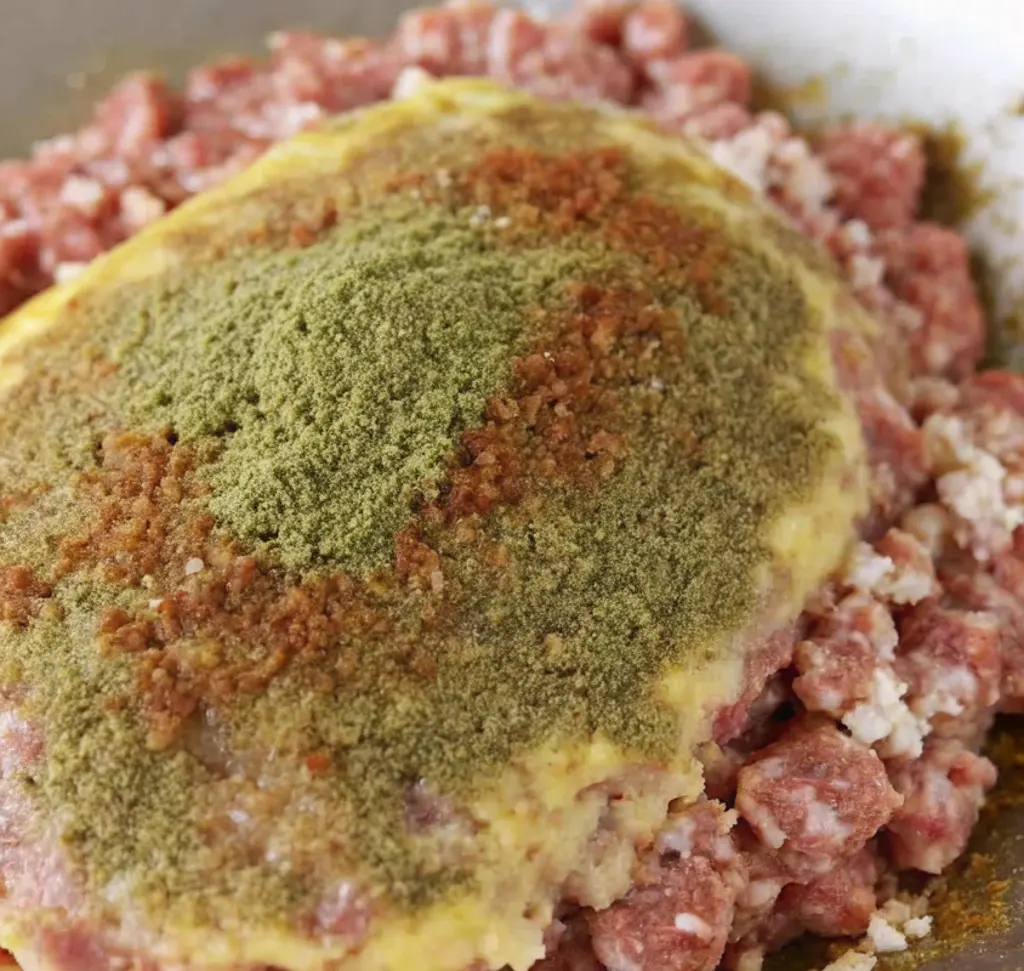
Start by combining the ground beef, rusk, herbs, spices, and cold liquid in a wide bowl. Use your hands and move slowly—almost respectfully. I’ll be the first to admit, I used to rush this part. Big mistake. Gentle mixing keeps the sausage tender, not tight.
Step 2: Test the Seasoning
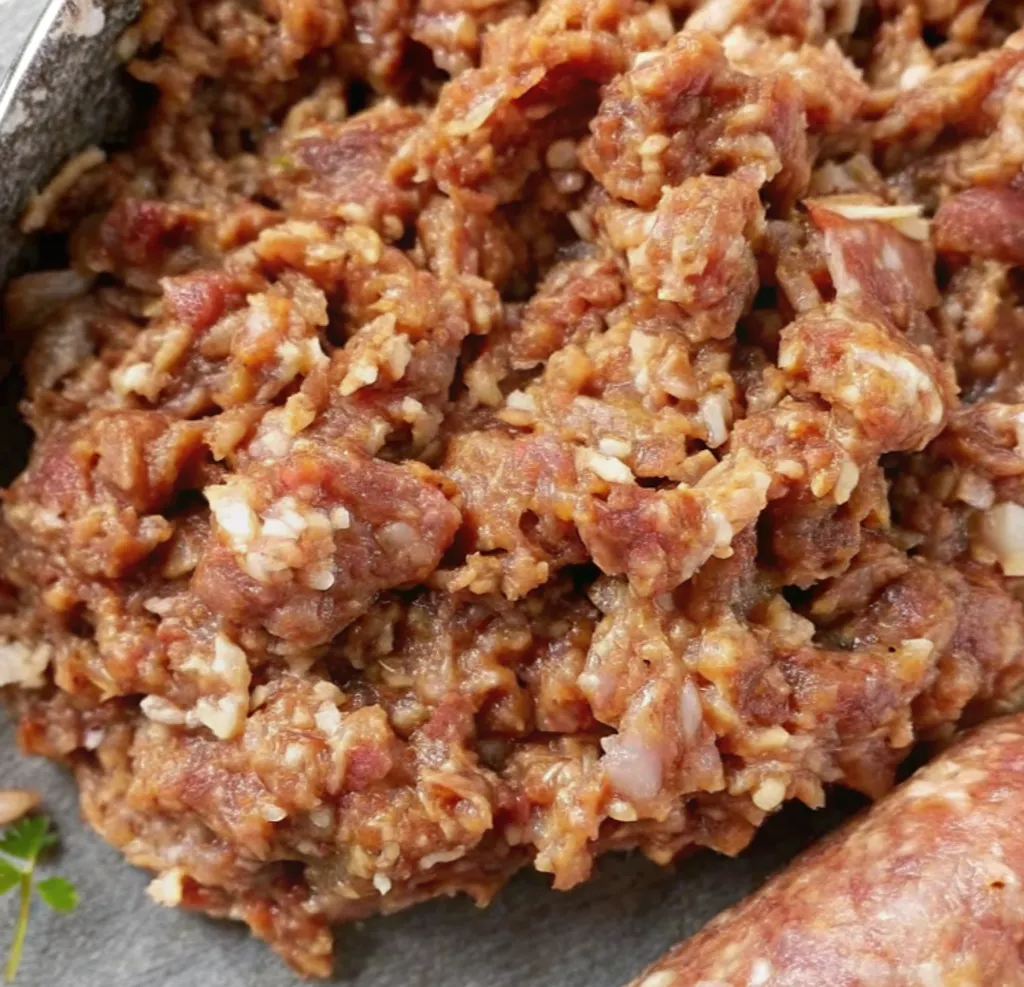
Before committing, fry a small spoonful of the mixture. Taste it while it’s hot. Then taste again. The crazy part is how much this tiny step changes everything. Adjust salt or white pepper now, not later, because later is too late.
Step 3: Shape or Stuff
Form the mixture into links or patties, keeping them roughly the same size. Consistency matters more than perfection. Off the record, slightly uneven sausages still taste amazing—but even sizing helps the sausage cook evenly.
Step 4: Rest the Sausages
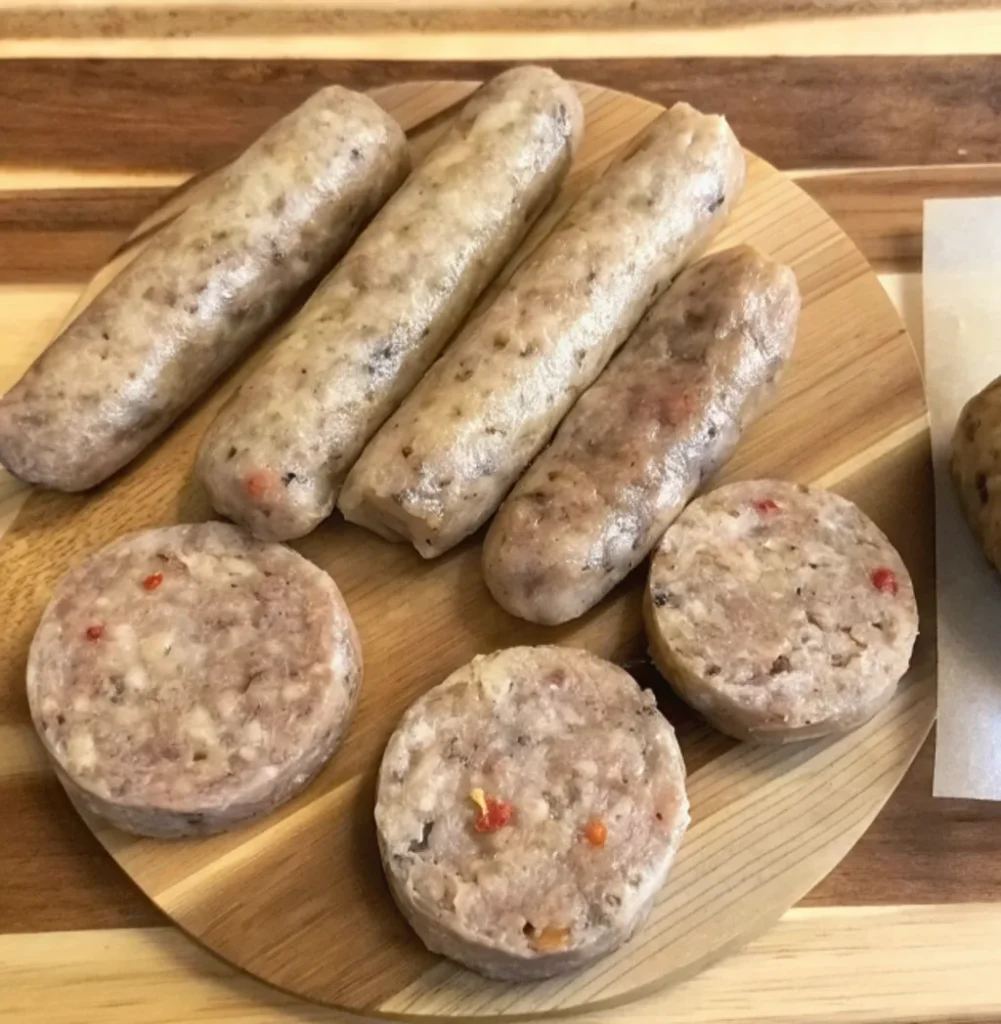
Place the sausages in the fridge for at least 30 minutes. This pause isn’t optional. To my absolute surprise, resting firms them up and deepens flavour. Patience pays.
Step 5: Cook Gently

Cook over medium-low heat, turning often until golden and cooked through. No rushing. Let the sausage take its time. At the end of the day, calm heat wins every time.
Professional Cooking Tips
- Keep everything cold: Cold meat and chilled bowls help the fat stay intact, which means a juicier sausage. Warm fat melts too fast—trust me on this one.
- Mind the heat: Medium-low heat isn’t a suggestion, it’s a rule. High heat browns quickly but dries the centre, and that’s a loss you can’t undo.
- Don’t crowd the pan: Space allows proper browning. When sausages touch, they steam, and steam steals flavour.
- Rest before serving: Give each sausage a short rest after cooking. The juices redistribute, and the texture improves instantly.
How to Serve irish sausage
- This is where the irish sausage really shows its range, and that’s where things get interesting.
- Pair sausage with Shoestring Potato Fries for an easy dinner.
- For mornings, pair it with soft eggs, grilled tomatoes, and soda bread; you won’t believe this, but it turns an ordinary breakfast into an event.
- Later in the day, slice the irish sausage into a crusty roll with sharp mustard or tuck it into a warm stew where it quietly enriches everything around it.
- Oddly enough, it even works cold, thinly sliced, as part of a no-fuss lunch. At the end of the day, versatility is its quiet strength.
- Pair Baked sweet potato with irish sausage for a hearty dinner
How to Store and Reheat
Truth be told, these sausages rarely last long in my fridge, but when they do, I wrap them tightly and store them for up to three days. For reheating, low heat is your friend—pan or oven, never microwave if you can help it. Patience pays off.
More Recipe Suggestions
- Turkey sausage patty: How to make a healthy, protein rich, low-fat breakfast
- Hot Sausage Beer Cheese Dip How to Make It Extra Creamy
- Rotel Sausage Balls: How to Make Them Extra Cheesy
- Sausage quiche recipe: How to Make It Fluffy Every Time
- Beef Breakfast Sausage: A quick and delicious recipe
- Irish Sausages & Champ
Nutritional Information
Approximate values per sausage:
- Calories: 220
- Protein: 14g
- Fat: 18g
- Carbohydrates: 6g
- Sodium: Moderate

irish sausage recipe: How to Get the Texture Just Right at home
Ingredients
- ground beef 80/20 blend
- Rusk or breadcrumbs
- Fresh sage
- White pepper
- Nutmeg a pinch!
- Salt
- Cold water or milk
Instructions
Step 1: Mix With Care
- Start by combining the pork mince, rusk, herbs, spices, and cold liquid in a wide bowl. Use your hands and move slowly
Step 2: Test the Seasoning
- Before committing, fry a small spoonful of the mixture. Taste it while it’s hot. Adjust salt or white pepper now, not later, because later is too late.
Step 3: Shape or Stuff
- Form the mixture into links or patties, keeping them roughly the same size. Consistency matters more than perfection.
Step 4: Rest the Sausages
- Place the sausages in the fridge for at least 30 minutes. This pause isn’t optional. resting firms them up and deepens flavour. Patience pays.
Step 5: Cook Gently
- Cook over medium-low heat, turning often until golden and cooked through. No rushing. Let the irish sausage take its time. At the end of the day,
Notes
Nutritional Information
- Calories: 220
- Protein: 14g
- Fat: 18g
- Carbohydrates: 6g
- Sodium: Moderate
FAQs
What is an Irish sausage?
An irish sausage is a mild pork sausage made with herbs, rusk, and gentle seasoning rather than spice.
What is closest to Irish sausage?
British bangers come close, though they’re often firmer and more pepper-forward.
What is the difference between Irish sausage and American sausage?
American sausages lean sweeter or spicier; irish sausage stays savoury and subtle.
How do you cook Irish sausage?
Slowly. Pan-fried or oven-baked until golden and fully cooked through.
Conclusion
Long story short, making irish sausage at home reconnects flavour, memory, and care in one simple dish. Try it. Tweak it. Share your take in the comments, leave a review, and subscribe for more honest recipes—I’ll be right here.
Leave a Comment
Your email address will not be published.
There are no reviews yet. Be the first one to write one.