
5 Expert Tips for the Most Delicious beef plate ribs
I still remember the backyard smoke drifting through the air, cousins laughing too loudly, and my uncle guarding the grill like a treasure chest. That was my first real encounter with beef plate ribs, shared among family and friends, fingers sticky, conversations long, and time slowing down just enough to matter. Food does that. It connects. Plate ribs are one of the richest beef rib cuts. If you want to understand all rib types, see our guide on Beef Ribs Recipes.
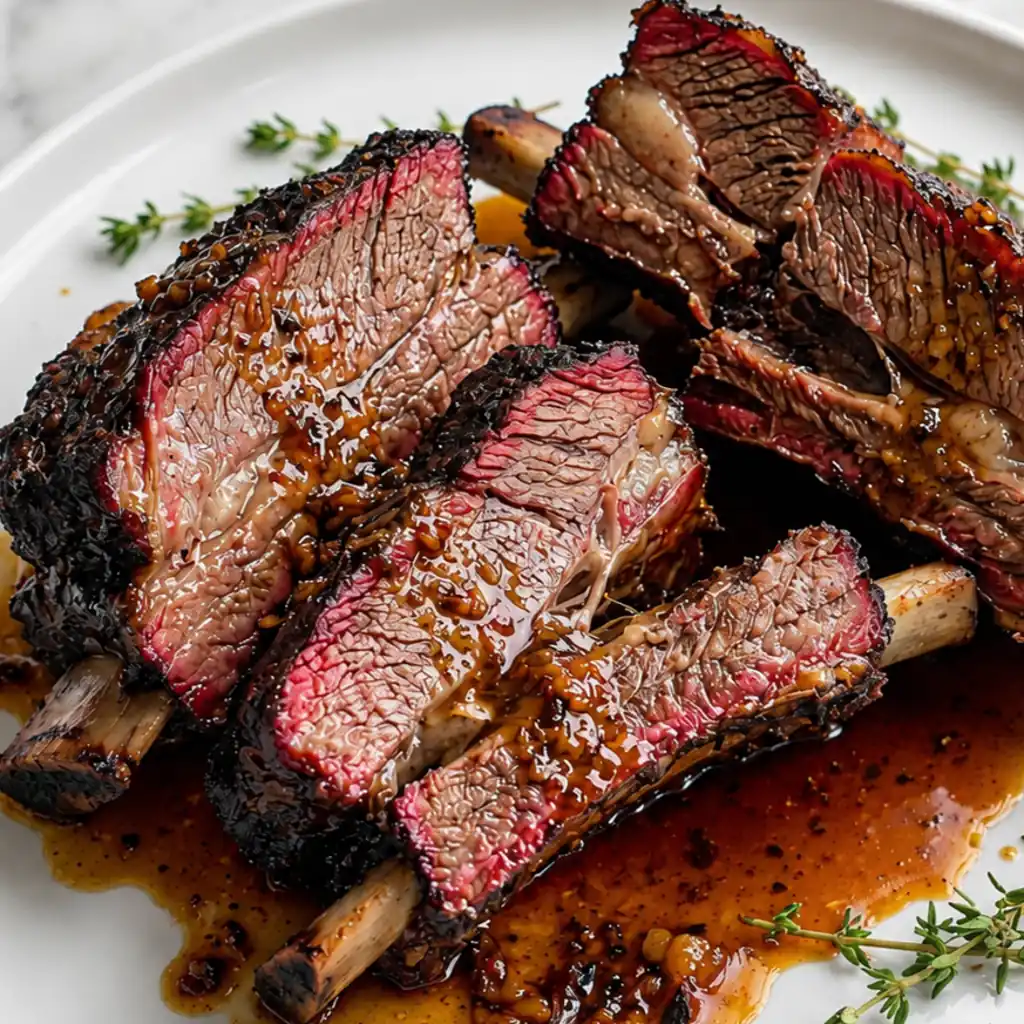
What is Beef plate ribs
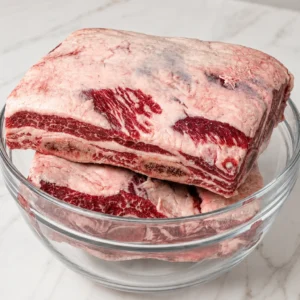
Beef plate ribs come from the lower portion of the cow’s rib cage, specifically ribs 6 through 8. They’re thick, meaty, and often called “dino ribs” because, well, they genuinely look like something out of Jurassic Park. Compared to back ribs, they carry way more meat and fat, which makes them ideal for slow cooking methods where that marbling can render down properly.
Why You’ll Love This Recipe
- Deep, meaty flavor that feels indulgent but honest
- A texture that’s tender without falling apart
- Simple ingredients, serious payoff
- Flexible cooking options for real-life kitchens
- Perfect for gatherings or quiet weekends
Ingredients List
You’ll need:
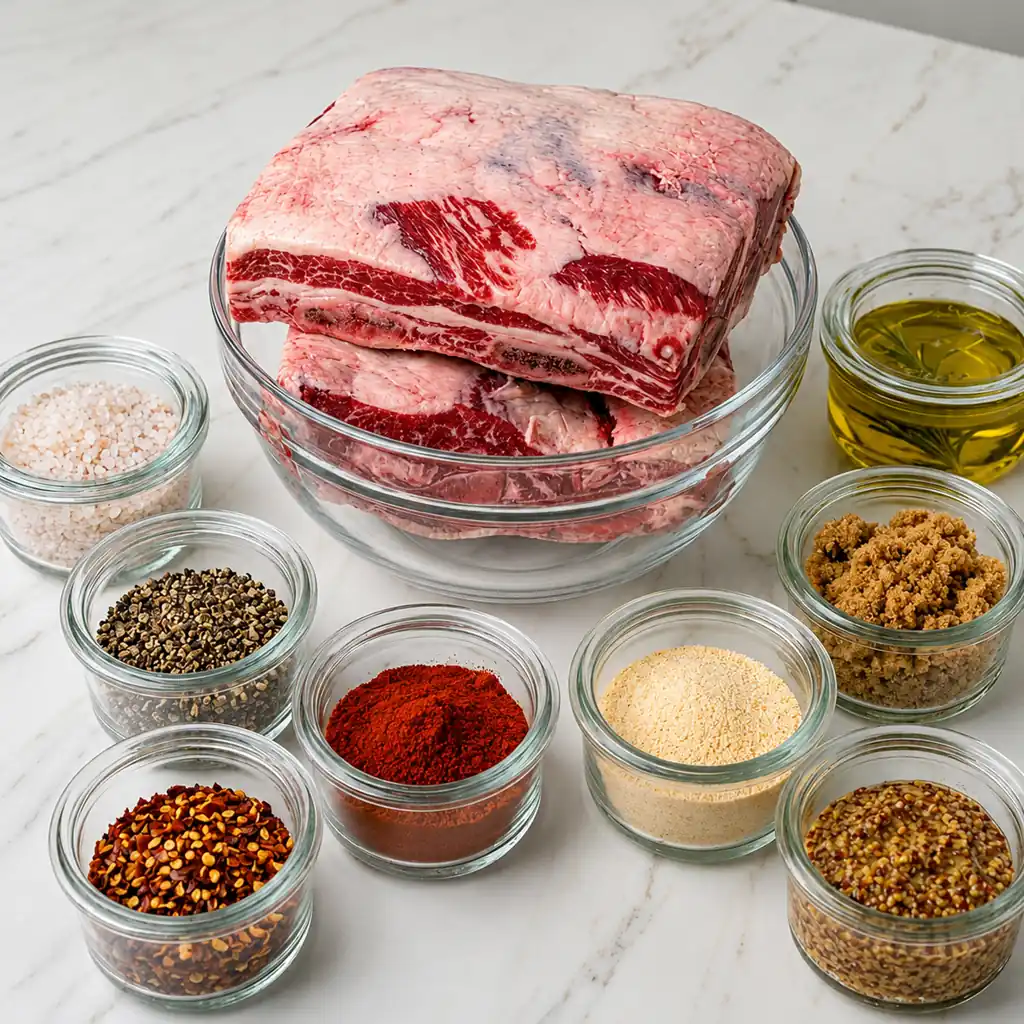
- (2–3 bones) Beef plate ribs the star — rich, marbled, unapologetically bold
- 2 tsp Coarse sea salt: pulls flavor forward
- 2 tsp Freshly cracked black pepper: sharp, grounding
- 1 tsp Smoked paprika: warmth with attitude
- 1 tsp Garlic powder or fresh crushed garlic: depth
- 2 tbsp Olive oil or beef tallow: helps the crust form
Optional Add-Ons & Substitutions
- Brown sugar (a pinch): if you like a subtle caramel note
- Chili flakes or cayenne: for heat seekers
- Mustard binder: helps seasoning cling — oddly enough, you won’t taste it
Recipe Options
- Oven-roasted for consistency
- Smoked low and slow for drama
- Braised if patience is running thin
Timing
- Prep time: 15 minutes
- Cook time: 3–4 hours (low and slow)
- Total time: About 3.5–4.5 hours
How to Make beef plate ribs
Step 1: Season With Intent
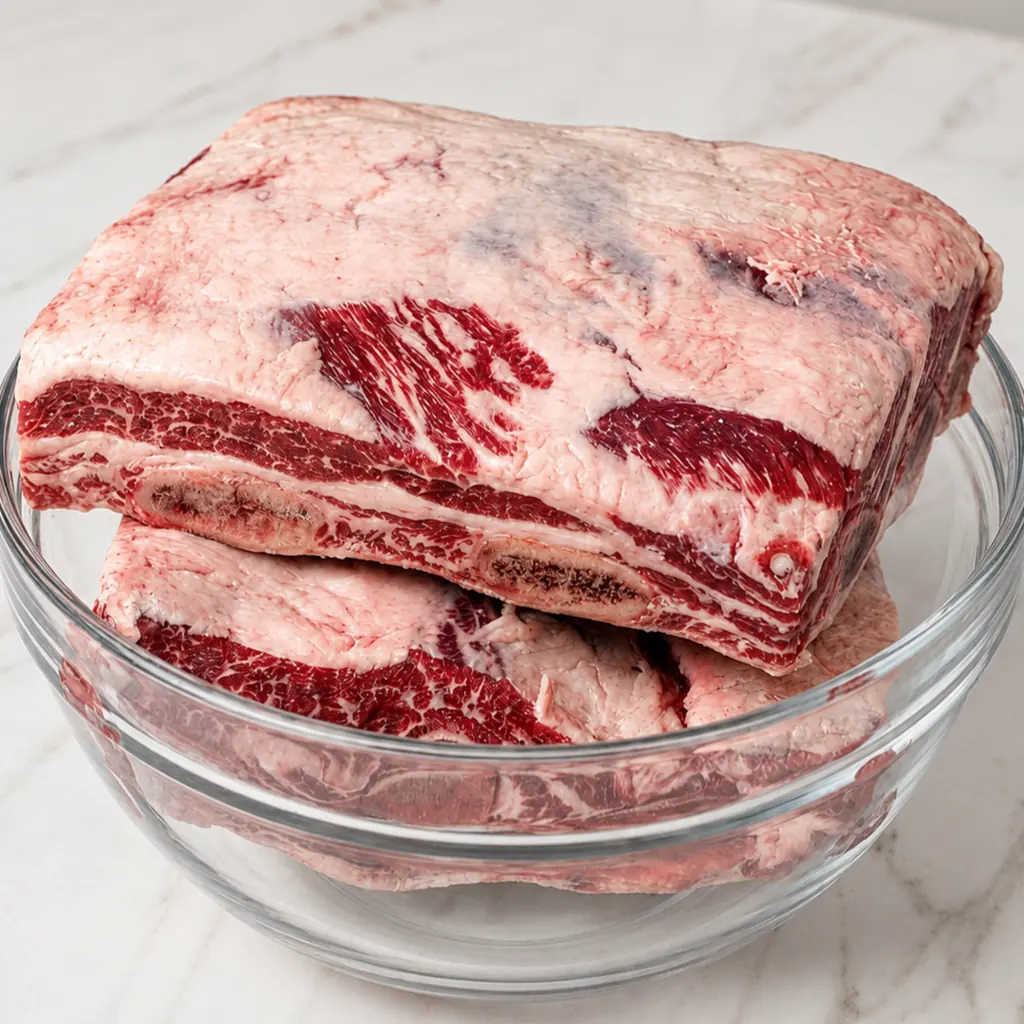
Start by patting the plate ribs completely dry. This matters more than people admit. Coat them with olive oil or tallow, then apply salt and pepper generously, followed by your spices. I’ll be the first to admit — I used to under-season. Big mistake. These ribs can handle confidence.
Step 2: Rest and Absorb
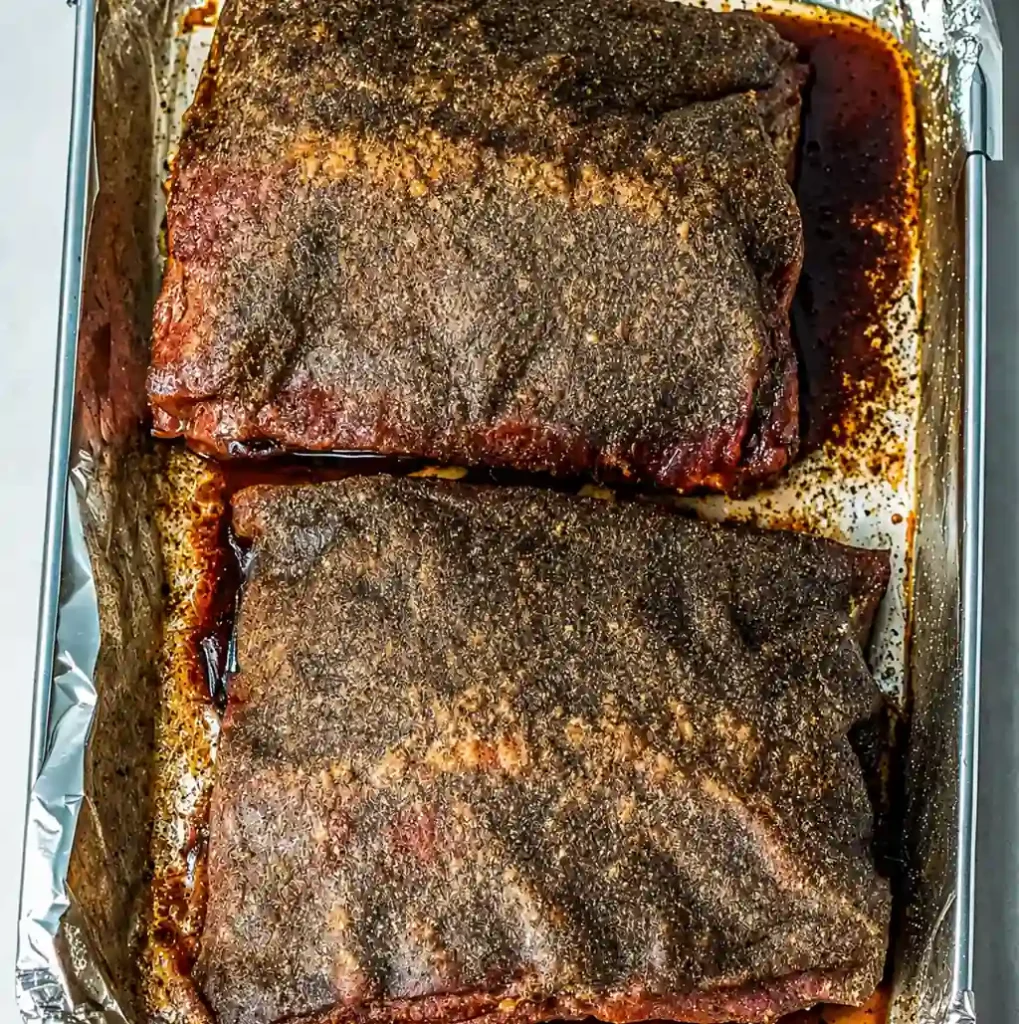
Set the seasoned ribs aside at room temperature for 30–45 minutes. This pause isn’t wasted time. To put it simply: the meat relaxes, the seasoning settles, and flavor digs in deeper. And here was the surprise — the texture improves noticeably.
Step 3: Choose Your Heat
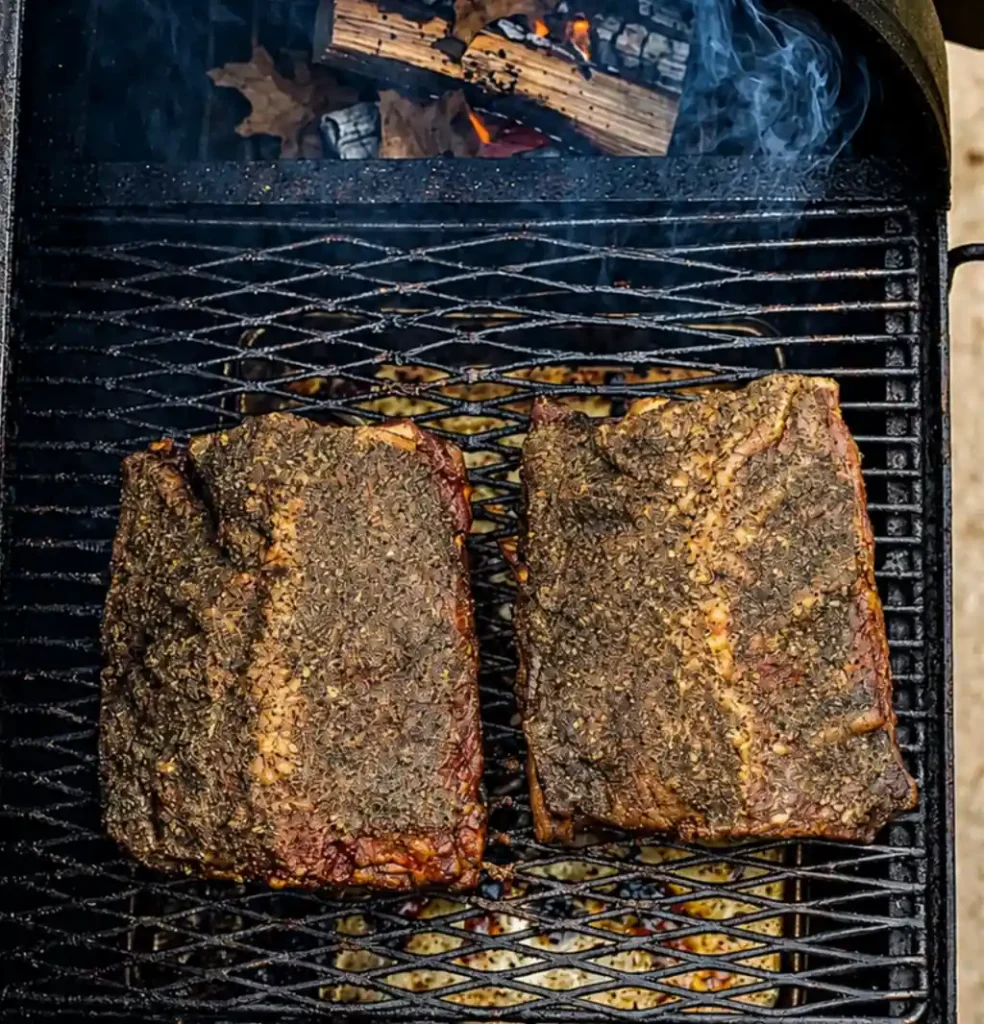
Preheat your oven or smoker to 275°F. Low heat is non-negotiable. Make no mistake about it, rushing beef ribs only leads to disappointment. This is slow cooking with purpose, not convenience.
Step 4: Cook Low and Slow
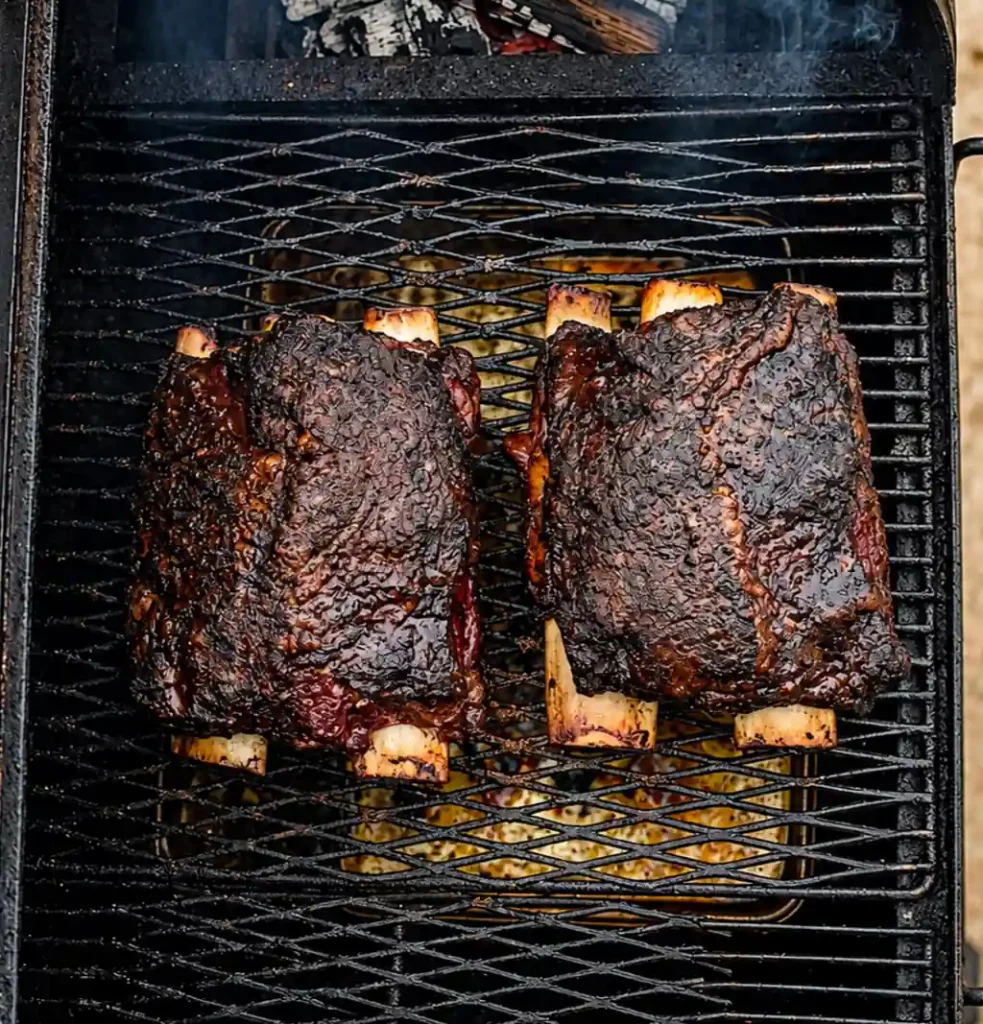
Place the ribs bone-side down and let them cook undisturbed. Cover loosely if using an oven. You’re building tenderness here. Trust me on this one — opening the door too often steals heat and patience.
Step 5: Check for Tenderness
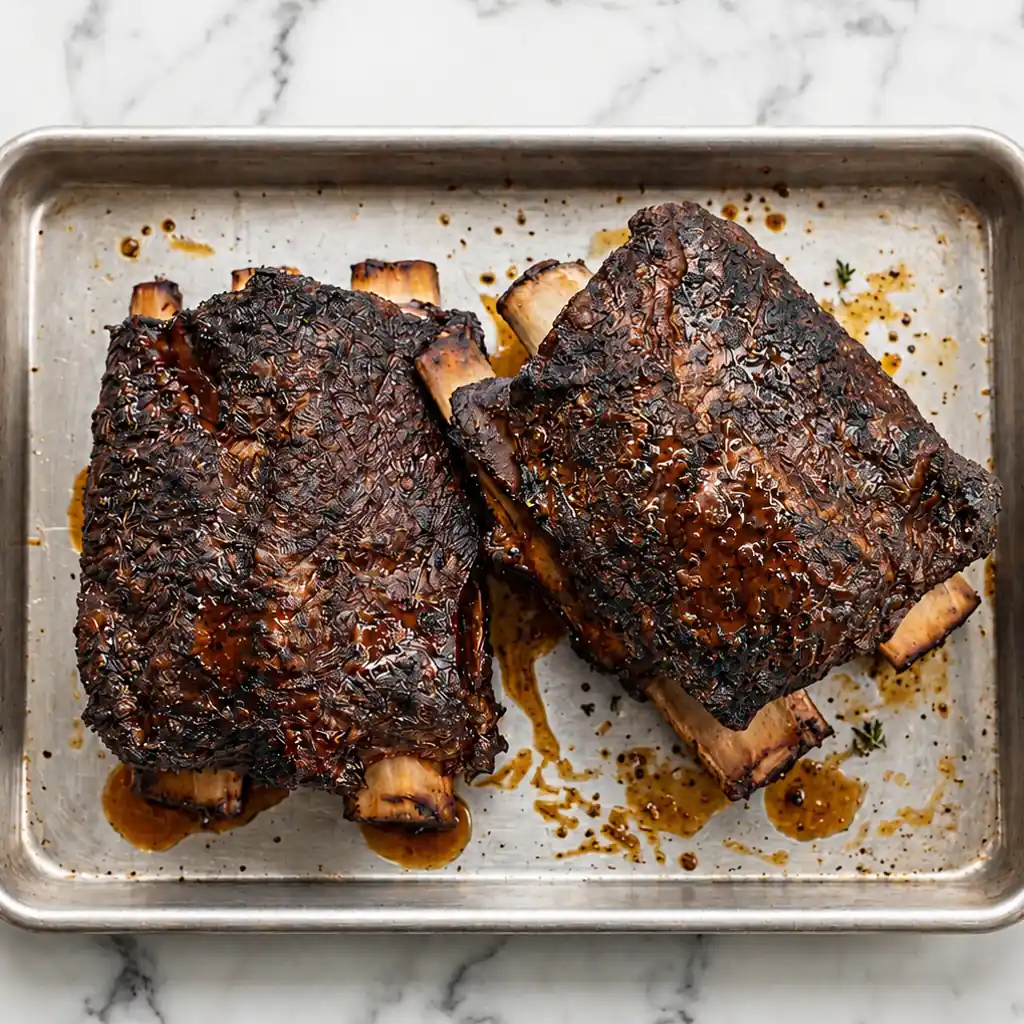
After about three hours, slide a knife into the meat. It should glide in easily. Temperature helps, but feel tells the real story.
Step 6: Optional Finish

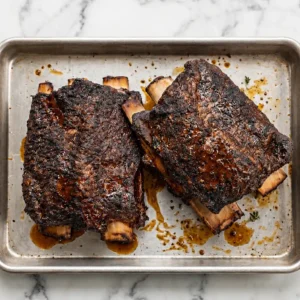
Uncover and increase heat briefly to set the bark. Watch closely. The point I’m trying to make is this: finish strong, not careless.
Professional Cooking Tips
- Choose well-marbled beef ribs — fat equals flavor, and there’s no negotiating that.
- Let the ribs rest after cooking. I know it’s tempting, but slicing too soon drains everything you worked for.
- Avoid heavy sauces during cooking. Having said that, a light glaze at the end is fair enough.
- Use a thermometer as a guide, not a rulebook. To be honest with you, tenderness always wins.
- Don’t overcrowd the pan or smoker. Airflow matters more than most people think — and that’s where things get interesting.
Best Seasonings for Beef Ribs
Keep it simple — that’s my golden rule with beef ribs. A classic coarse salt and black pepper rub (Texas-style, some call it) lets the beef shine. If you want more depth, add garlic powder, smoked paprika, and a touch of brown sugar for balance. I’ve experimented with fancier rubs over the years, but honestly, the beef itself does most of the talking here.
How Long to Cook Beef Plate Ribs
Plan for patience — plate ribs are a low-and-slow cut, not a weeknight fix. At 225-250°F, expect roughly 6-8 hours in a smoker or oven until the internal temp hits about 203°F and the meat probes tender. I know that sounds long, but the hands-off wait is really what makes them so good.
Make-Ahead, Storage & Reheating Tips
Can You Make It Ahead
Yes, and honestly I prefer it this way. Smoke or braise the ribs up to two days ahead, let them cool completely, then refrigerate them wrapped tightly in foil. The flavors deepen overnight, and you skip the stress of timing everything perfectly on the day you’re serving.
How to Store
Wrap leftover ribs in foil or an airtight container and refrigerate for up to 4 days. For longer storage, freeze them (bone-in works fine) for up to 3 months. I always label the bag with the date
Way to Reheat
Low and slow is the rule here. Wrap ribs in foil with a splash of beef broth and reheat in a 250°F oven until warmed through, about 20-30 minutes. Avoid the microwave if you can — it dries the meat out and you lose that fall-off-the-bone texture you worked so hard for.
How to Serve beef plate ribs
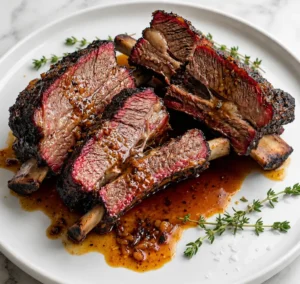
Serve beef ribs like they deserve attention. I’m not exaggerating if I say presentation shifts the whole experience. Slice them thick and let the juices spill.
- Pair with creamy mashed potatoes or buttery polenta to soak up every drop.
- Add something sharp on the side: pickled onions, vinegar slaw, or mustard greens. Balance matters.
- For a casual spread, pull the meat and pile it onto toasted bread with horseradish sauce. You won’t believe this, but it disappears fast.
- Oddly enough, these ribs shine in tacos the next day with fresh herbs and a squeeze of citrus.
Variations of Beef Plate Ribs
There isn’t just one “right” way to cook these ribs; you can prepare beef ribs in several different ways—each method changes the texture and flavor enough to make it feel like you’re eating a completely new dish.
Smoked Beef Plate Ribs
The classic method. Low heat, real wood smoke, and hours of patience produce that deep bark and smoke ring pitmasters chase.
Oven-Baked Beef Plate Ribs
No smoker? No problem. A low oven with foil-wrapped ribs gets you tender, juicy results indoors, minus the smoky bark.
Slow Cooker Beef Plate Ribs
The set-it-and-forget-it option. Toss everything in and let it work while you go about your day — great for busy schedules.
BBQ Beef Plate Ribs
Finished with a sticky, tangy sauce brushed on during the last stretch of cooking for that classic caramelized glaze.
Braised Beef Plate Ribs
Cooked low in liquid — broth, wine, or beer — until fork-tender. Rich, saucy, and a little more elegant for dinner guests.
Nutritional Information
Here’s a general breakdown per serving, though exact numbers shift depending on your ingredients and portion size:
- Calories: 650
- Protein: 45g
- Fat: 50g
- Iron: 25% daily value
- Zinc: high — supports immunity
Note: The nutritional values provided are estimates and may vary depending on the ingredients, quantities, and brands used.
5 Expert Tips for the Most Delicious beef plate ribs
Ingredients
- 3 –4 bone beef plate ribs
- 2 tbsp olive oil or beef tallow
- 2 tsp coarse sea salt
- 2 tsp freshly cracked black pepper
- 1 tsp smoked paprika
- 1 tsp garlic powder
- Optional
- Brown sugar a pinch
- Chili flakes or cayenne
- Mustard binder
Instructions
Step 1: Season With Intent
- Start by patting the beef plate ribs completely dry. Coat them with olive oil or tallow, then apply salt and pepper generously, followed by your spices.

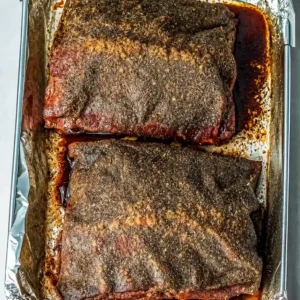
Step 2: Rest and Absorb
- Set the seasoned ribs aside at room temperature for 30–45 minutes. This pause isn’t wasted time. To put it simply: the meat relaxes, the seasoning settles, and flavor digs in deeper.
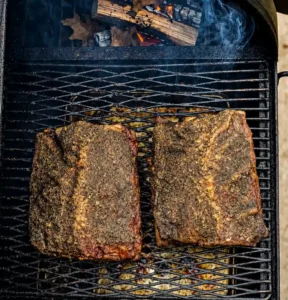
Step 3: Choose Your Heat
- Preheat your oven or smoker to 275°F. Low heat is non-negotiable. Make no mistake about it, rushing beef plate ribs only leads to disappointment.

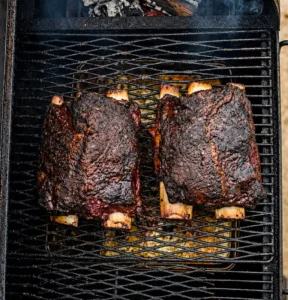
Step 4: Cook Low and Slow
- Place the ribs bone-side down and let them cook undisturbed. Cover loosely if using an oven. You’re building tenderness here. Trust me on this one
Step 5: Check for Tenderness
- After about three hours, slide a knife into the meat. It should glide in easily. Temperature helps, but feel tells the real story.
Step 6: Optional Finish
- Uncover and increase heat briefly to set the bark. Watch closely. The point I’m trying to make is this: finish strong, not careless.

Notes
Nutritional Information
- Calories: 650
- Protein: 45g
- Fat: 50g
- Iron: 25% daily value
- Zinc: high — supports immunity
FAQs
Are beef plate ribs the same as short ribs?
No, and that difference matters. Beef ribs come from the lower rib section and carry more meat and fat. Short ribs are smaller and behave differently when cooked.
What exactly are plate ribs?
They’re thick, dramatic ribs cut from the plate primal. To put it simply: bold flavor, big bones, serious presence.
What is another name for beef plate ribs?
You’ll often hear them called “dinosaur ribs.” Trust me on this one — once you see them, you’ll understand.
What’s the best way to cook beef plate ribs?
Low and slow. Smoker or oven. Make no mistake about it, patience is the real ingredient.
More Recipe Suggestions
- How to Make Beef Country Style Ribs Taste Amazing
- Smoked Beef Short Ribs: 6 Smart Changes for Better Results
- How to Cook Tender Country Style Beef Ribs
- Easy Beef Back Ribs Recipe for Tender and Juicy Results
- BEST Easy Oven Baked Beef Ribs Recipe
- flanken style beef short ribs: How to Cook Them Perfectly So Fast
- The Ultimate Guide to Sous Vide Beef Short Ribs: No More Tough Meat
- How to Cook Beef Ribs in the Oven (Tender, Juicy & Easy Method)
- Slow Cooker Beef Ribs: Fall-Apart Tender Short Ribs Every Time
- Beef Ribs Internal Temperature: The Perfect Doneness Guide
- How Long to Cook Beef Ribs (Complete Time Guide by Method)
- Beef Ribs in Oven at 350 (How Long + Perfect Tender Results)
- Boneless Beef Ribs Recipe: Tender, Juicy & Easy to Make Every Time
Conclusion
In short, beef plate ribs deliver flavor, texture, and unforgettable moments. I’m not exaggerating if I say they change how you think about ribs. If you want to understand all rib types, see our guide on How to Cook Beef Ribs.
Try the recipe, share your thoughts in the comments, and subscribe for more honest cooking stories. At the end of the day — good food deserves company.
Leave a Comment
Your email address will not be published.
There are no reviews yet. Be the first one to write one.